Cattle, Connections, and Temple Grandin:
Inside the SFA Midwest Summit
posted 3/5/2026

Fresh Encouragement from the SFA Midwest Grazing & Soil Health Summit
The SFA Midwest Grazing & Soil Health Summit delivered exactly that kind of energy, and then some — two days surrounded by farmers gathered together to share and learn about soil health and grazing. The quality of presenters was impressive, and the room held enthusiasm that only comes when people who genuinely care about what they do find each other.
The Power of the Room
If there's one thing that defines events like this, it's the people. MNGLCA Board Member and UofM Extension's Tarah Young put it well: "The most valuable part of events like these is the connections made and maintained. These are people that we can rely on for advice and support, so we don't feel like we are doing it all ourselves."
That sentiment echoed throughout the two days. Star Nelson of MNGLCA shared: "I thought the conference was really beneficial because of all the networking time. The ability to meet producers from around the state and hear their stories was amazing."
John Meyer of Rock Dell Forage Farms in Stewartville, MN, has been coming for years and put it simply: "The SFA Midwest Soil Health & Grazing Summit is one of the best farmer get-togethers I look forward to each year. The networking that takes place at these events is invaluable!"
It's hard to overstate what it means to be in a room full of people who are asking the same questions, wrestling with the same challenges, and cheering each other on.
Setting the Stage
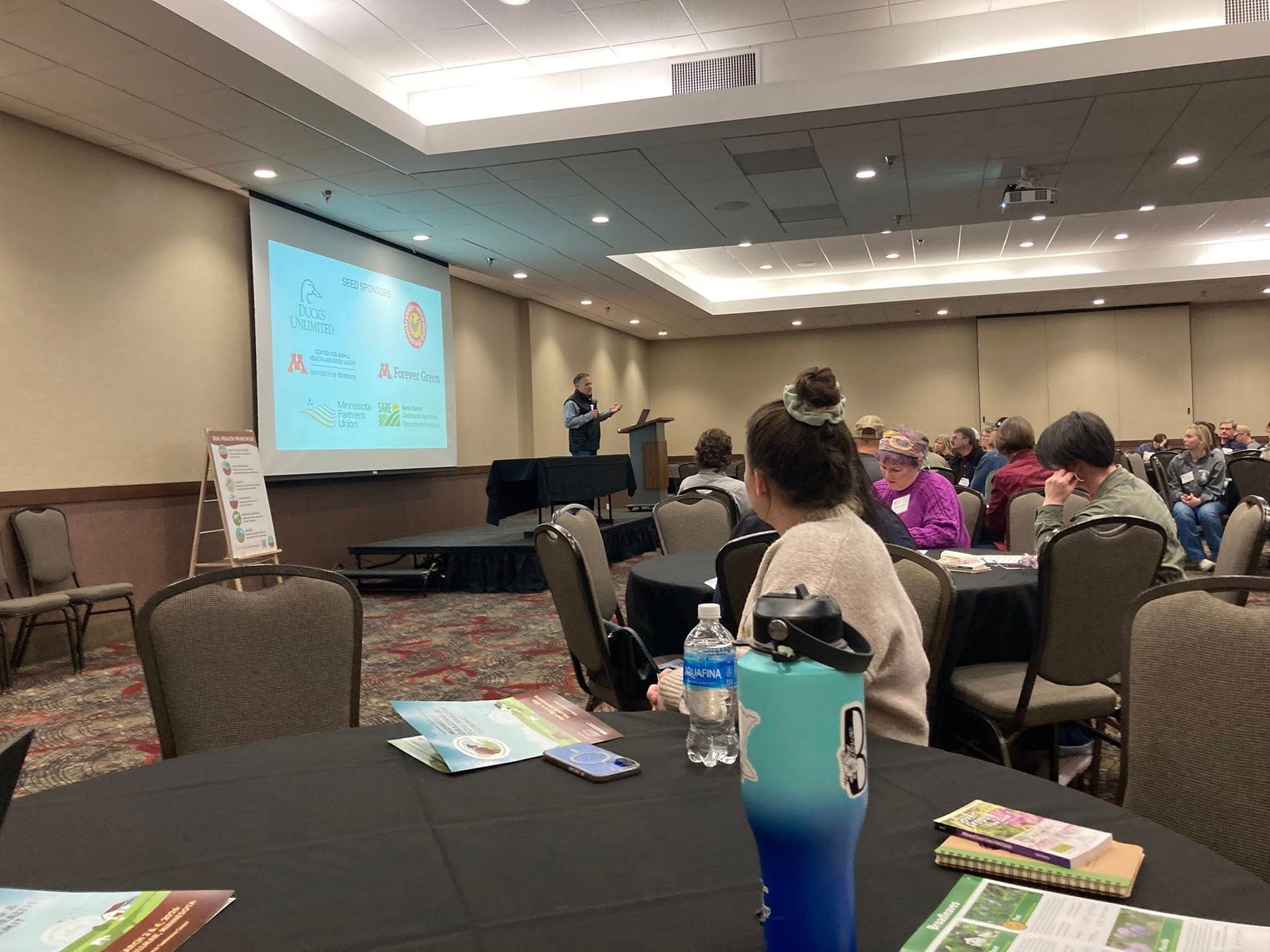
NRCS State Conservationist Troy Daniell kicked off the event with an impactful opening: healthy soil and livestock belong together. In a state with as much CRP ground as Minnesota, Daniel pointed to managed grazing as an underutilized tool with real potential — for the land, for farmers, and for the broader ecosystem. It was a fitting call to action for the days ahead.
From there, keynote speaker Keith Burns took the stage with a compelling framework he calls "carbonimics" — the idea that the same principles driving a healthy economy are at work in a healthy soil system. It was the kind of big-picture thinking that gives practical work a deeper foundation.
Two Days, Something for Everyone
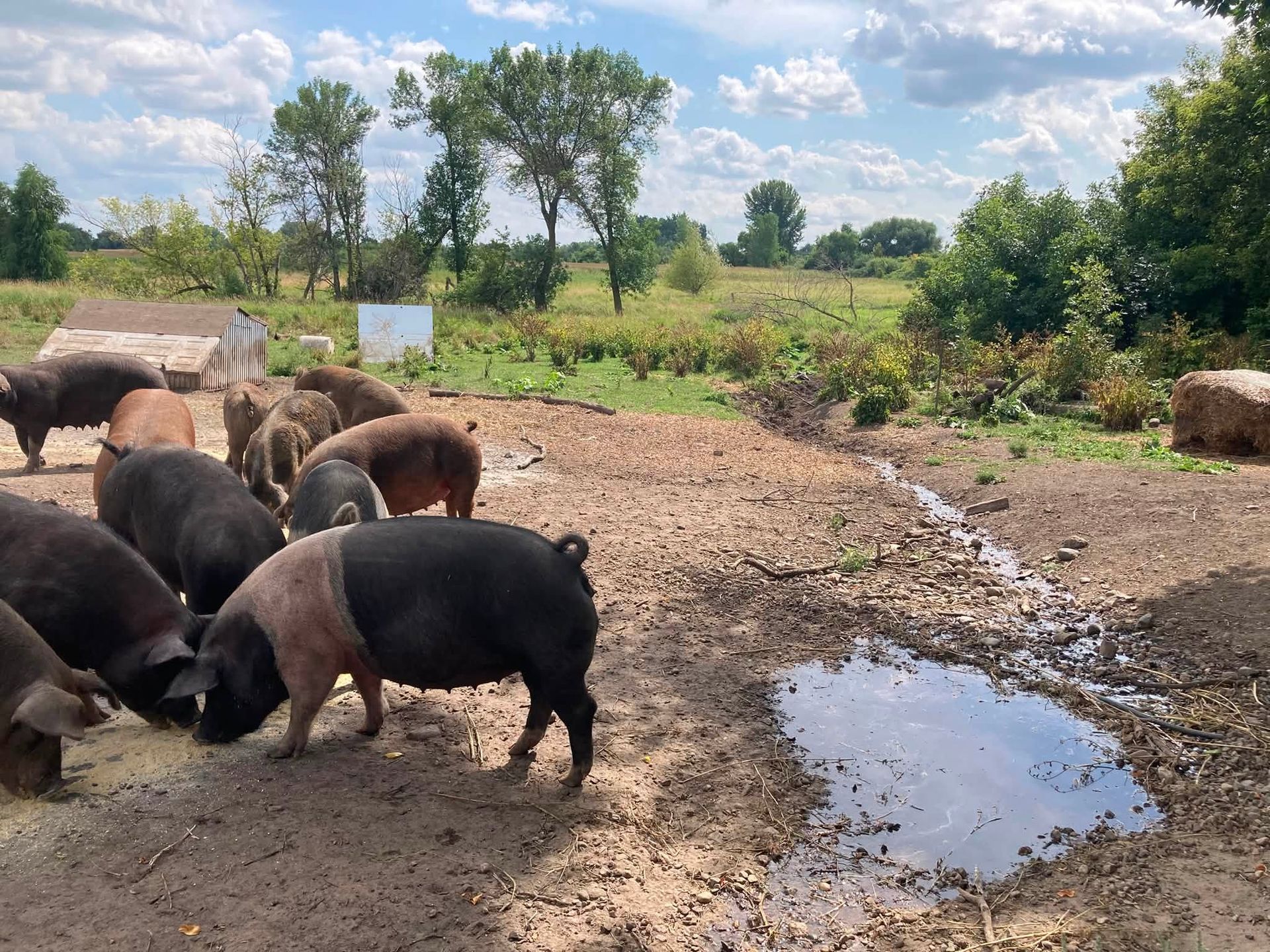
The breakout sessions that followed were a testament to the breadth of this work. Day one covered silvopasture, pastured pork, cover crop integration, forage chains, profitability in grazing, and more. Farmers led many of the sessions themselves — a reminder that some of the best knowledge in this movement lives on working land.
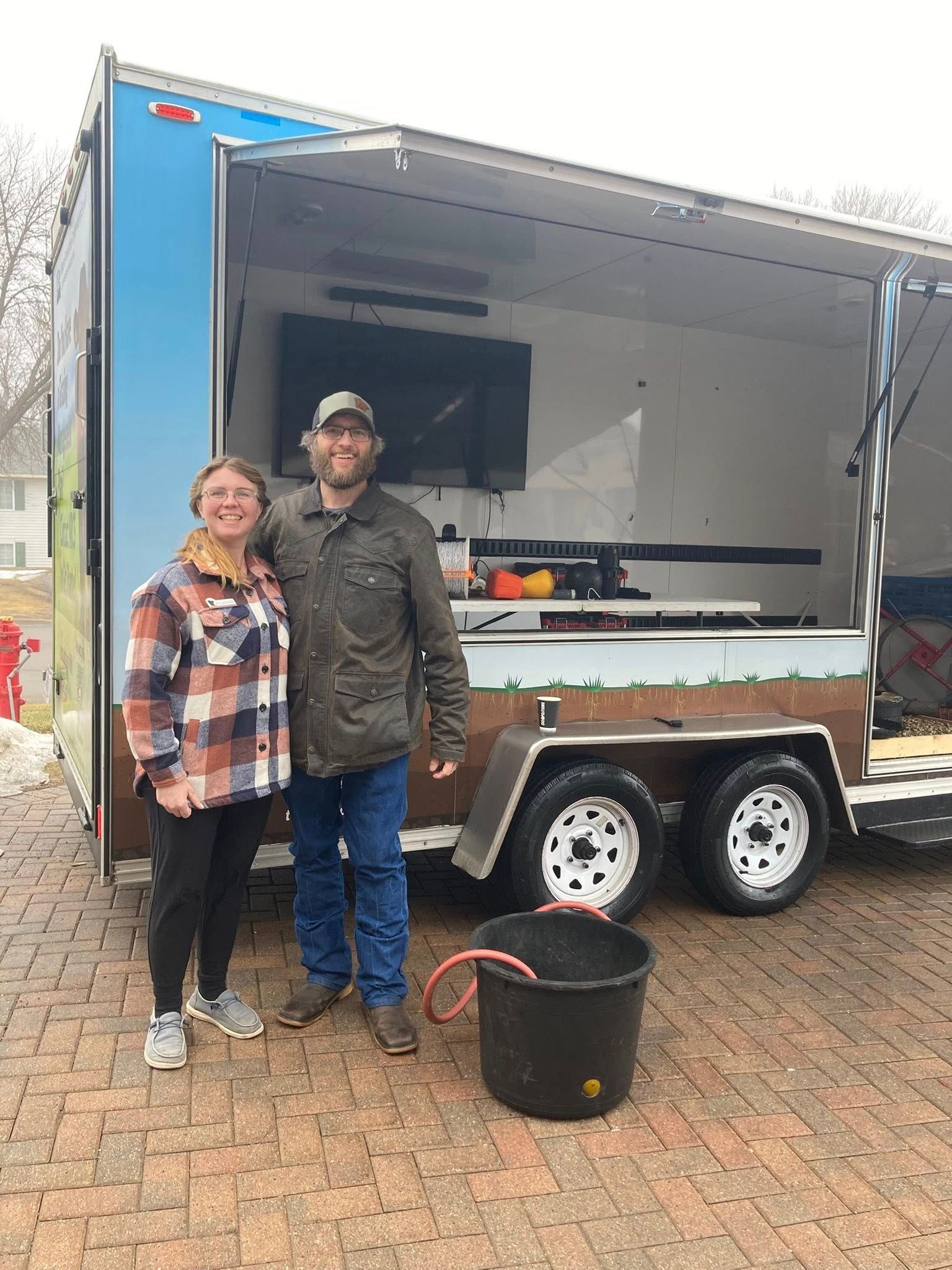
At the conference entrance, attendees were welcomed by Jeff Duchene of NRCS, who brought the NRCS state grazing equipment and demonstration trailer, giving attendees a hands-on look at practical fencing and watering systems and materials.
The first evening wound down with a book signing and a public screening of the new Temple Grandin documentary, An Open Door. The theatre filled not just with farmers, but with members of the general public eager to hear her speak. Temple was engaging, sharp, and genuinely funny — a delightful close to a full day.
Cattle as a Missing Link
From sitting in sessions and learning from farm after farm, the evidence was clear: cattle do remarkable things when welcomed back into the land. CRP ground can provide valuable habitat, but well-managed grazed pastures often tell a different story — more insects, more birds, and more life in every direction. Cattle stimulate plant growth, support insect populations, and build fertility in ways that passive land simply cannot replicate. They are not the problem. Managed well, they are part of the solution.
Temple Grandin: Observe, Don't Assume
Day two opened with Dr. Temple Grandin and her presentation, "Great Minds Are Not All the Same" — a fitting theme for a gathering built on independent thinking and diverse approaches to the land.
If you're not familiar with her story, Temple Grandin is autistic — and the way her mind works has transformed how we understand and handle livestock around the world. At 78 years old, she stepped onto that stage sharp, curious, blunt, and fully alive.
Grandin spoke about thinking in pictures rather than words. When she designs a livestock facility, she gets down to the animal's level and sees what they see — the shadows, the sudden movements, the details easily missed from a standing height. She observes, rather than assumes. That distinction is worth carrying into everyday conservation work. Regenerative systems reward observation.
She also offered this: the little people are often the innovators. Small farms, independent thinkers — people not pressed into a mold. Agriculture thrives on diversity: in livestock, in plants, in people, in markets.
Day two breakout sessions kept that spirit alive, with farmer-led learning on topics including a podcaster sharing knowledge from 250+ interviews with ranchers, enterprise selection and budgeting, the economics of soil health, scaling operations, next-generation farm transition, addressing liver fluke in Minnesota (presented by MNGLCA board member Troy Salzer), and grazing practices that support wildlife. There truly was something for everyone.
The conference closed with Dr. Grandin returning to the stage for a final session on "The Importance of Good Stockmanship" — a full-circle moment that grounded two days of big ideas in the most fundamental relationship of all: the one between a farmer and their animals.
Worth Your Time
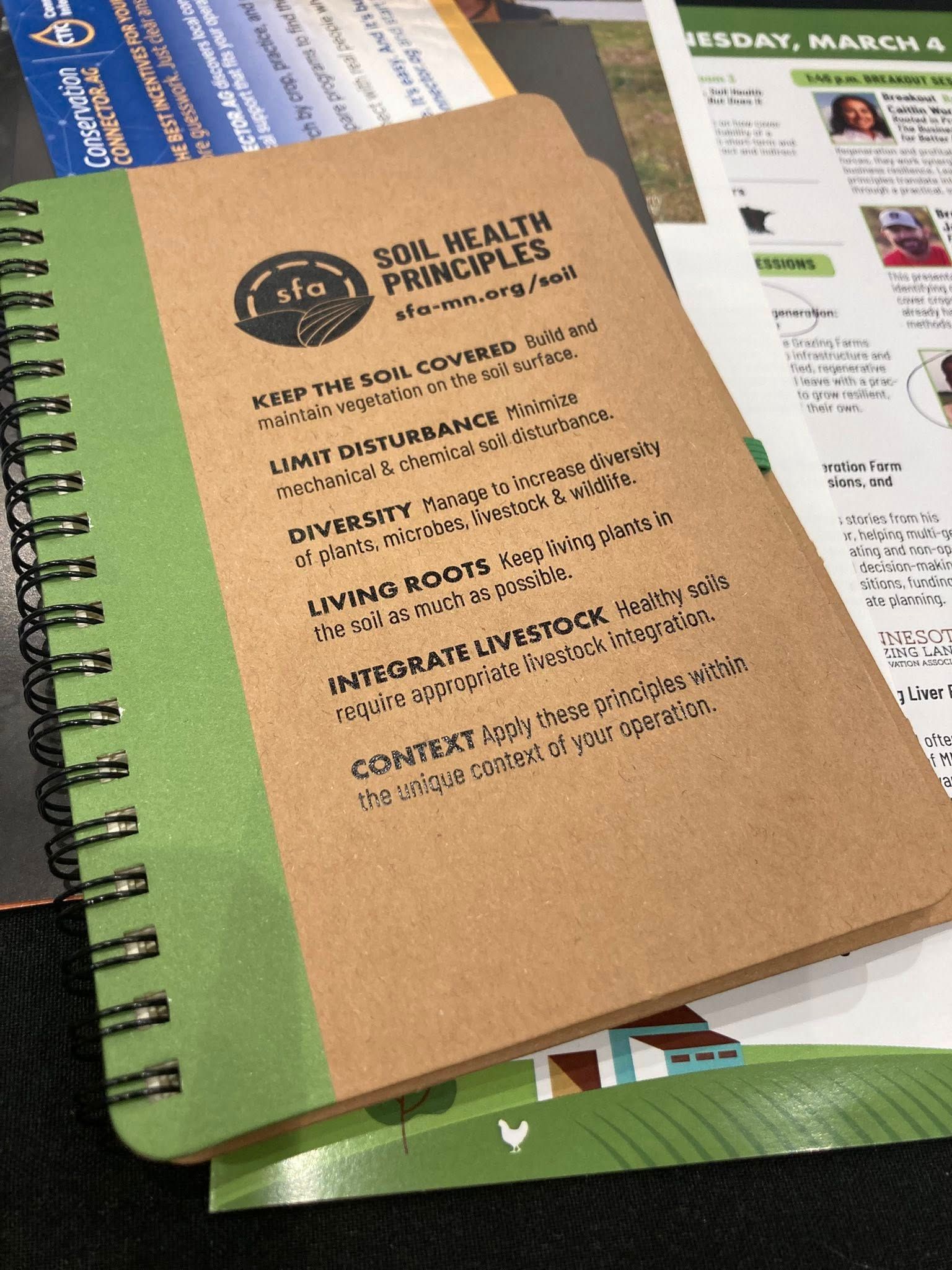
If you haven't attended the SFA Midwest Grazing & Soil Health Summit before, put it on your radar for next year. It's the kind of event you leave with a full notebook, a few new friends, and a renewed sense of why this work matters.
Thanks to the Sustainable Farming Association for continuing to create space for these conversations — and to every farmer who shows up, shares their story, and keeps learning. MNGLCA was proud to sponsor the event and support this important work.






Recent Articles