Making the Most of Each Acre: Livestock + Cropland Integration
Winter Integration Series — February 26, 2026
Dassel History Center and Ergot Museum, Dassel, MN
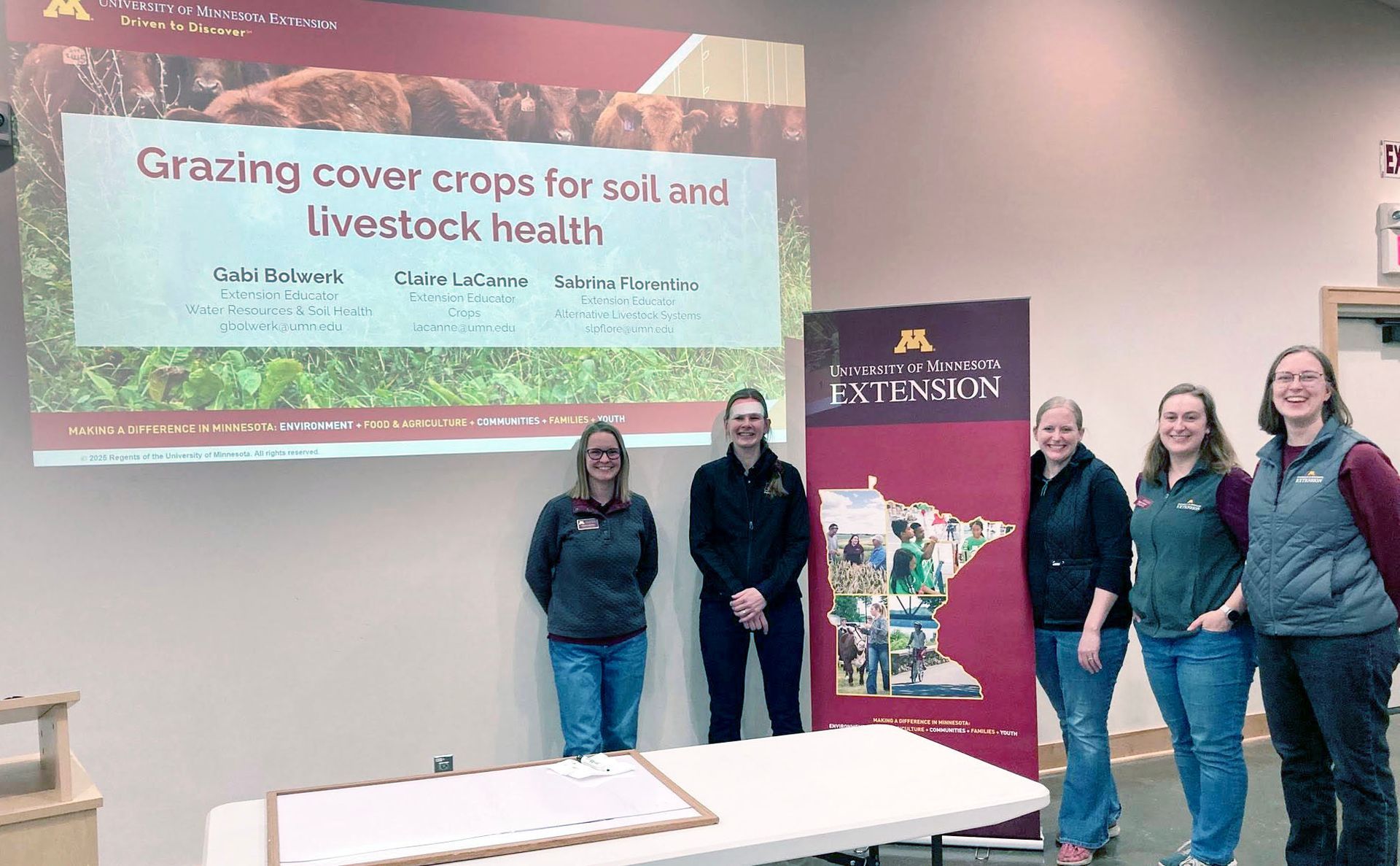
The 2026 Winter Integration Series workshop brought together farmers of all backgrounds — from beginning growers thinking about adding cattle to their land to seasoned producers already experimenting with grazing strategies — for a practical, hands-on look at integrating livestock onto cropland.
Hosted at the historic Dassel History Center and Ergot Museum, the event ran from 5–8 pm and centered around the big question: How can farmers make the most of every acre by blending crop and livestock systems in ways that benefit soil, finances, and overall farm health?
What Was Covered
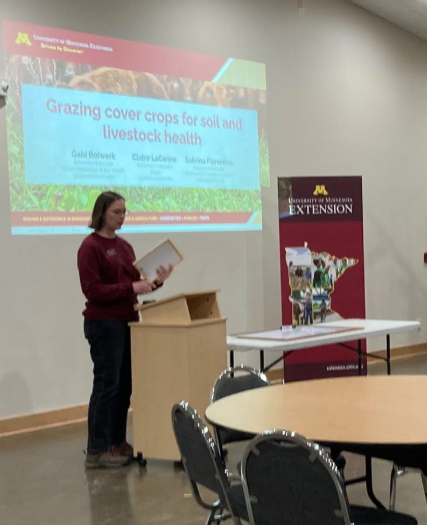
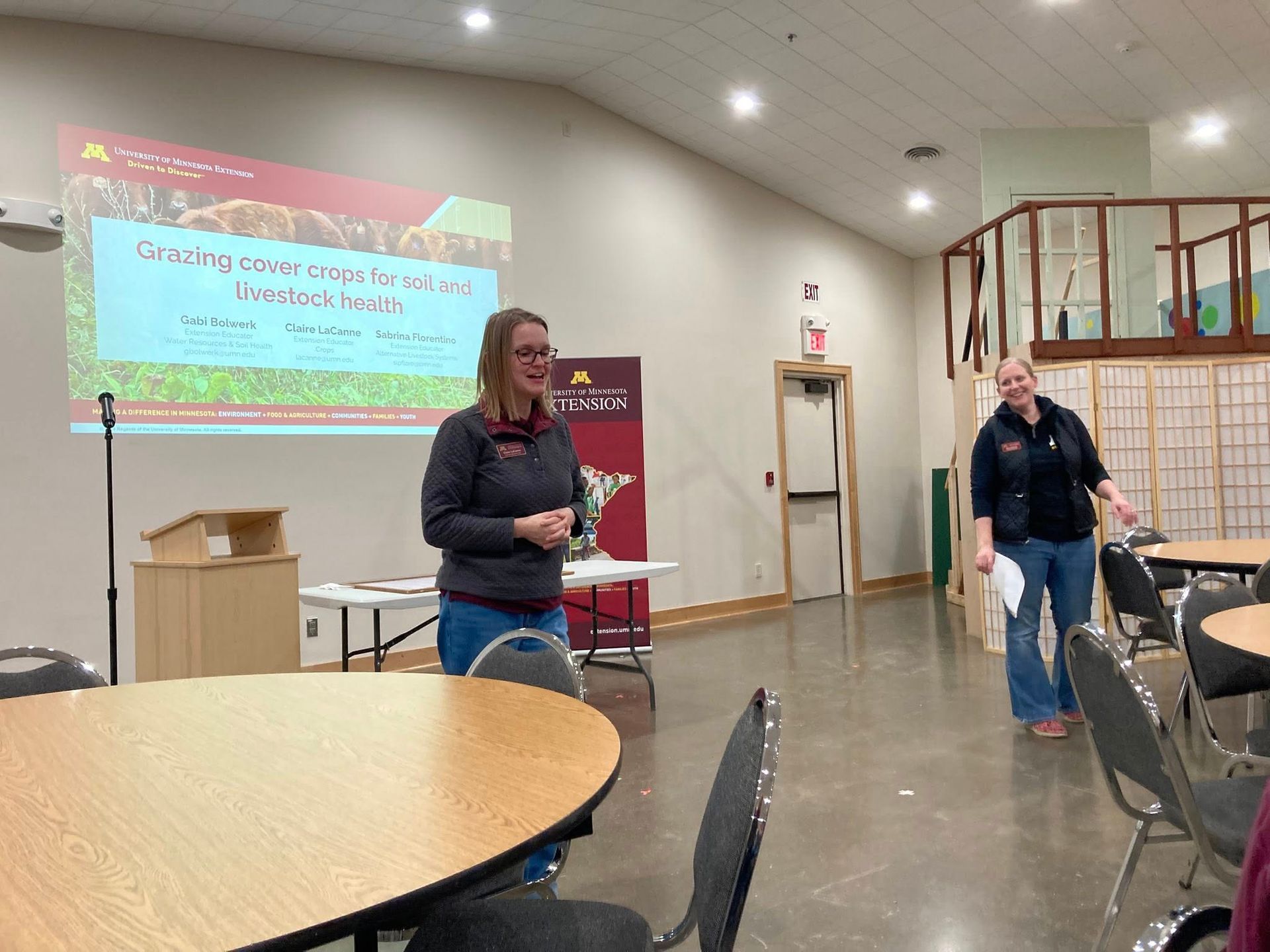
The workshop kicked off with insightful presentations from University of Minnesota Extension educators:
- Gabi Bolwerk dove into soil health fundamentals and the economic opportunities behind regenerative practices.
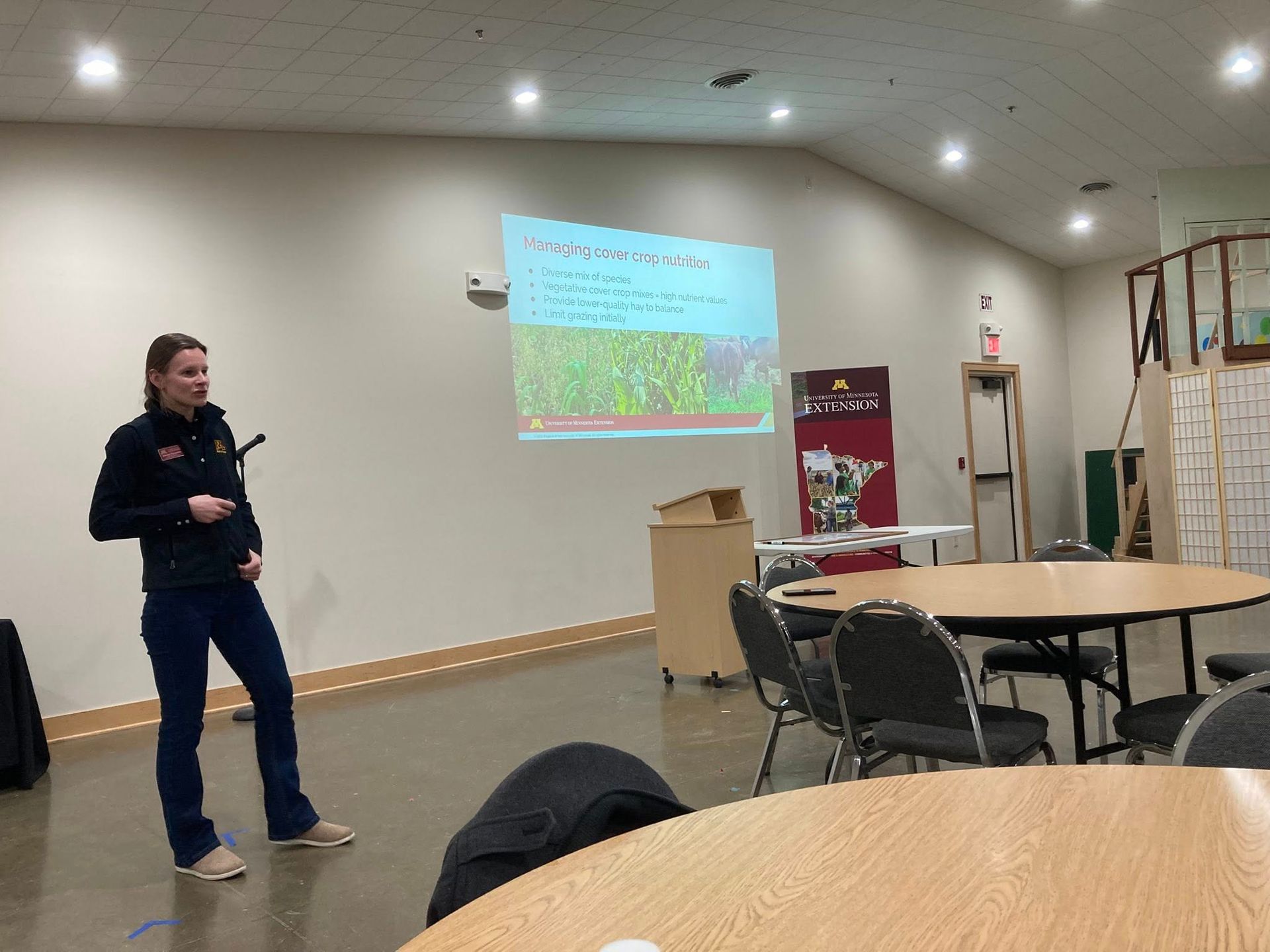
- Claire LaCanne and Taylor Herbert shared their expertise on cover crops — what species do best in certain rotations and how to maximize the benefits of living covers for both soil and forage.
- Sabrina Florentine wrapped up the session with practical livestock management strategies that tie together grazing timing, animal needs, and resource optimization.
The discussions were grounded in tools farmers can use immediately on their farms. A particularly helpful resource shared was the Midwest Cover Crop Council’s Selector Tools, a web-based system designed to help farmers choose cover crop species and mixes based on their specific goals and location.
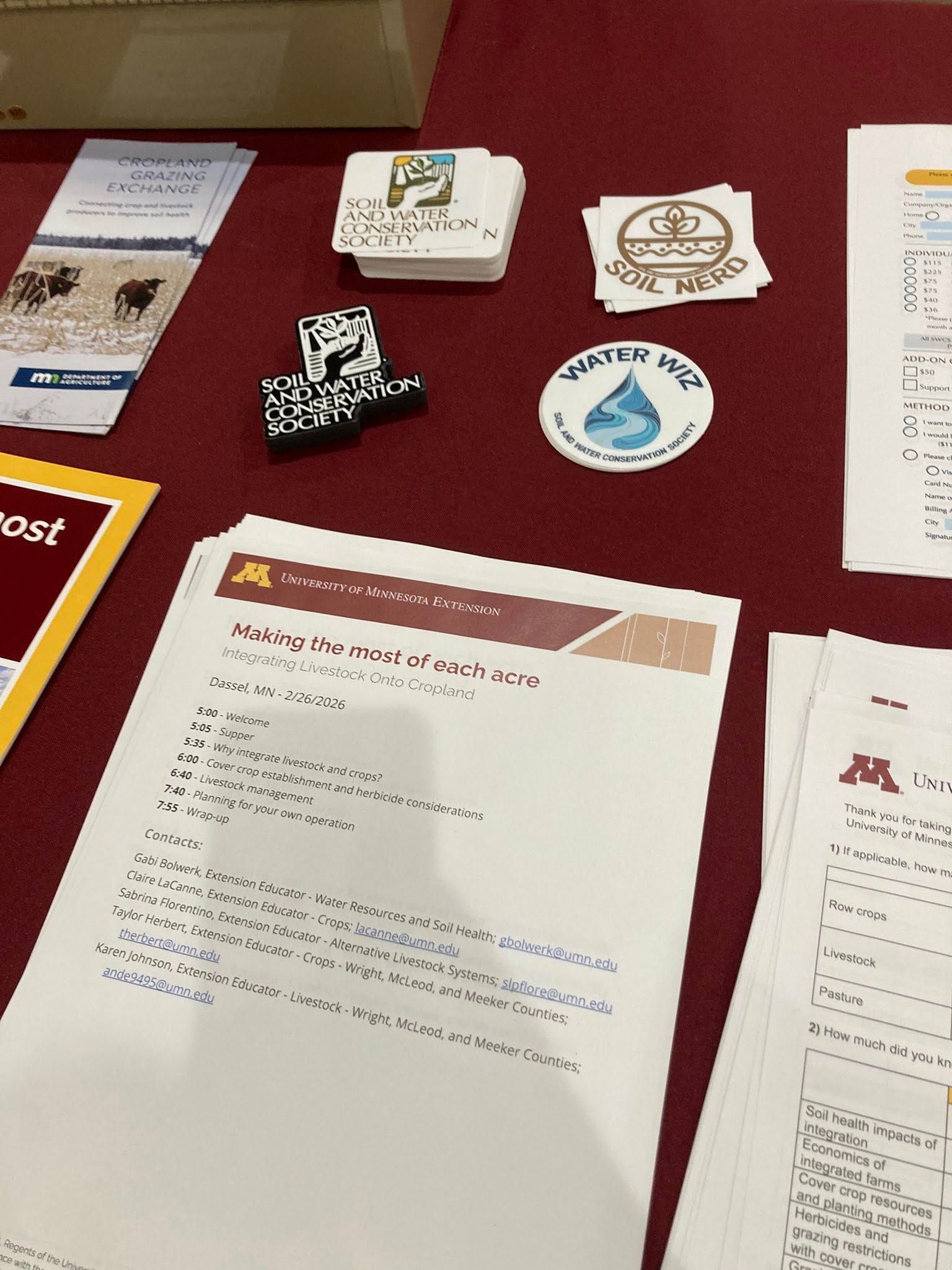
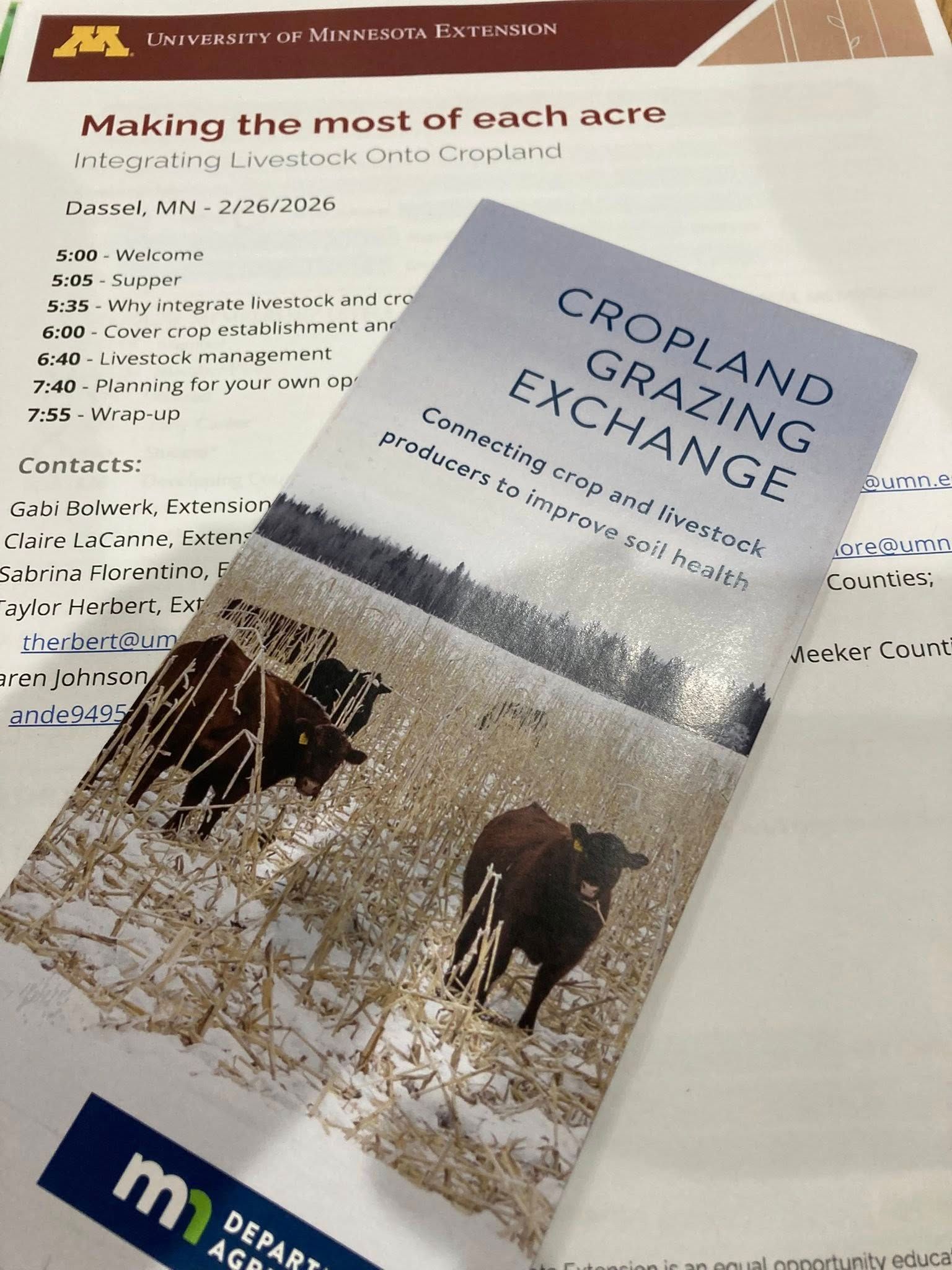
And for a bit of humor mixed with practicality, the session highlighted the MDA’s Cropland Grazing Exchange — jokingly referred to as the “dating site for cattle” — but in reality, a very practical platform that connects landowners and livestock producers for grazing opportunities.
Interactive Learning in Action
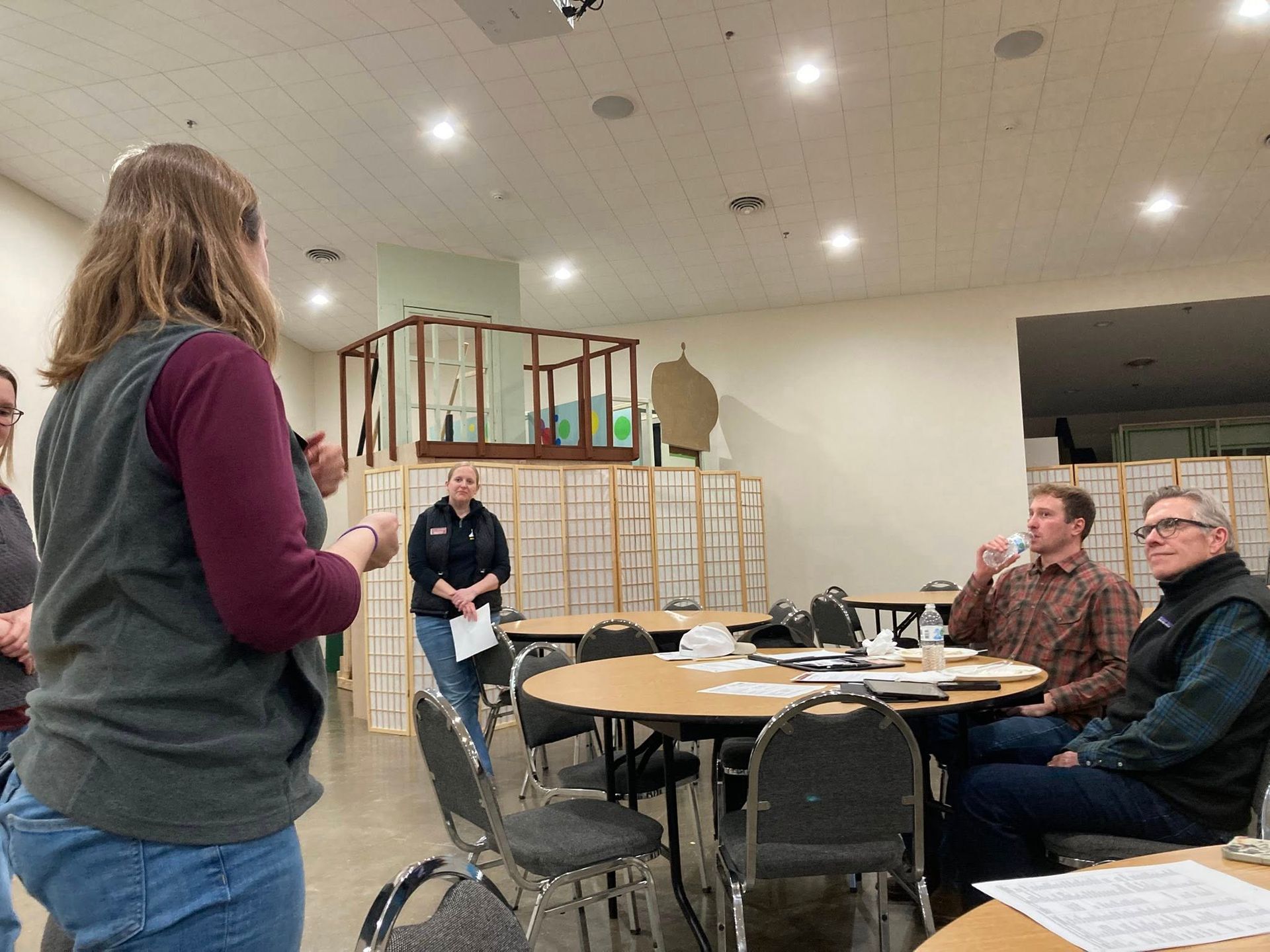
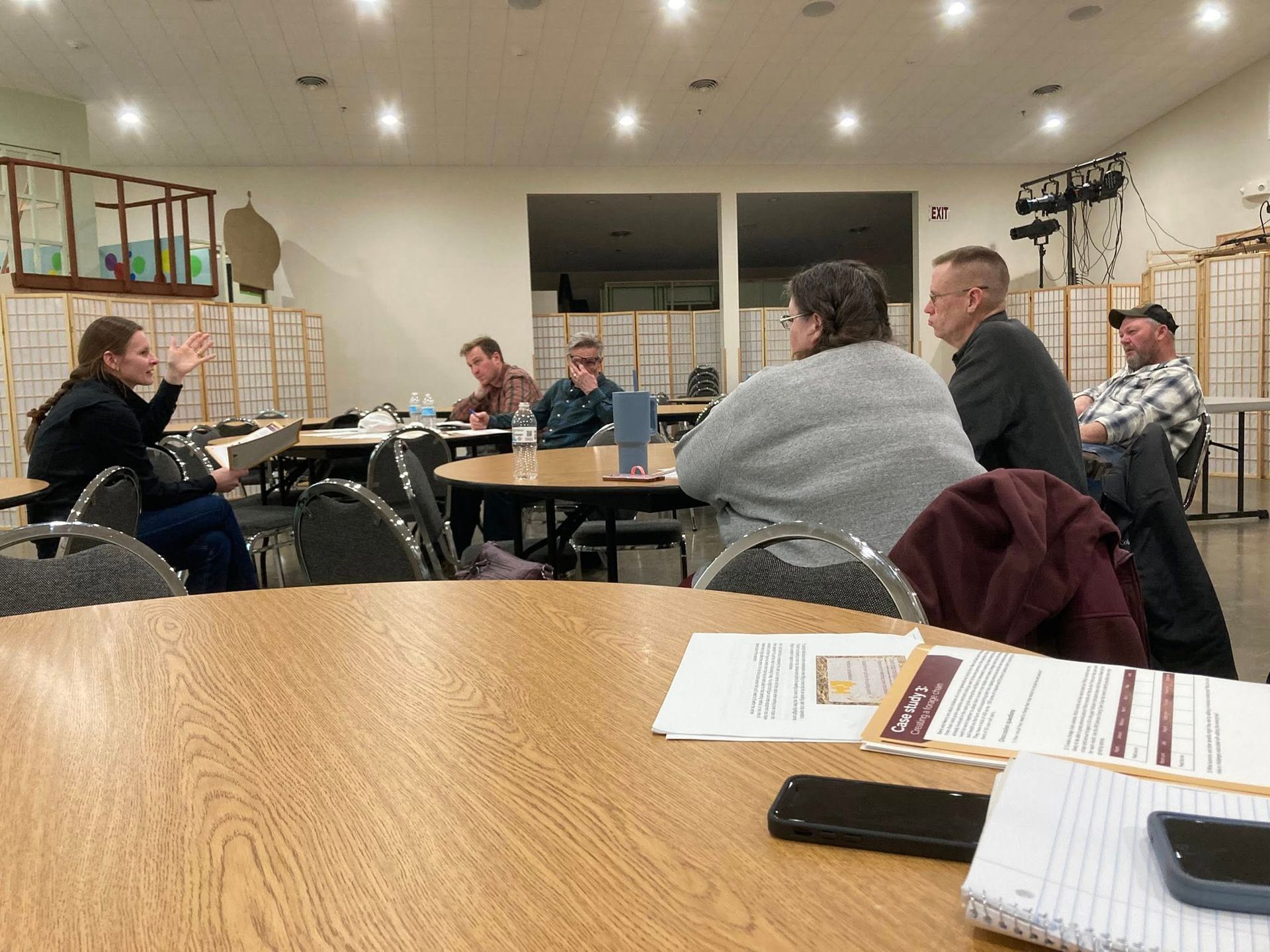
Rather than passively listening, attendees engaged in real-world planning exercises:
- Cover crop and grazing planning worksheets
- Forage chain creation
- Stocking density tools
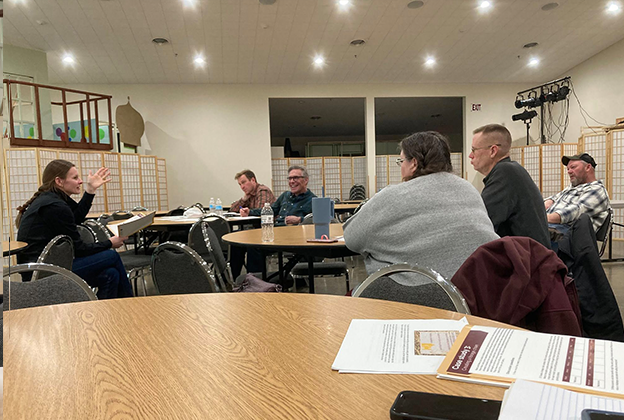
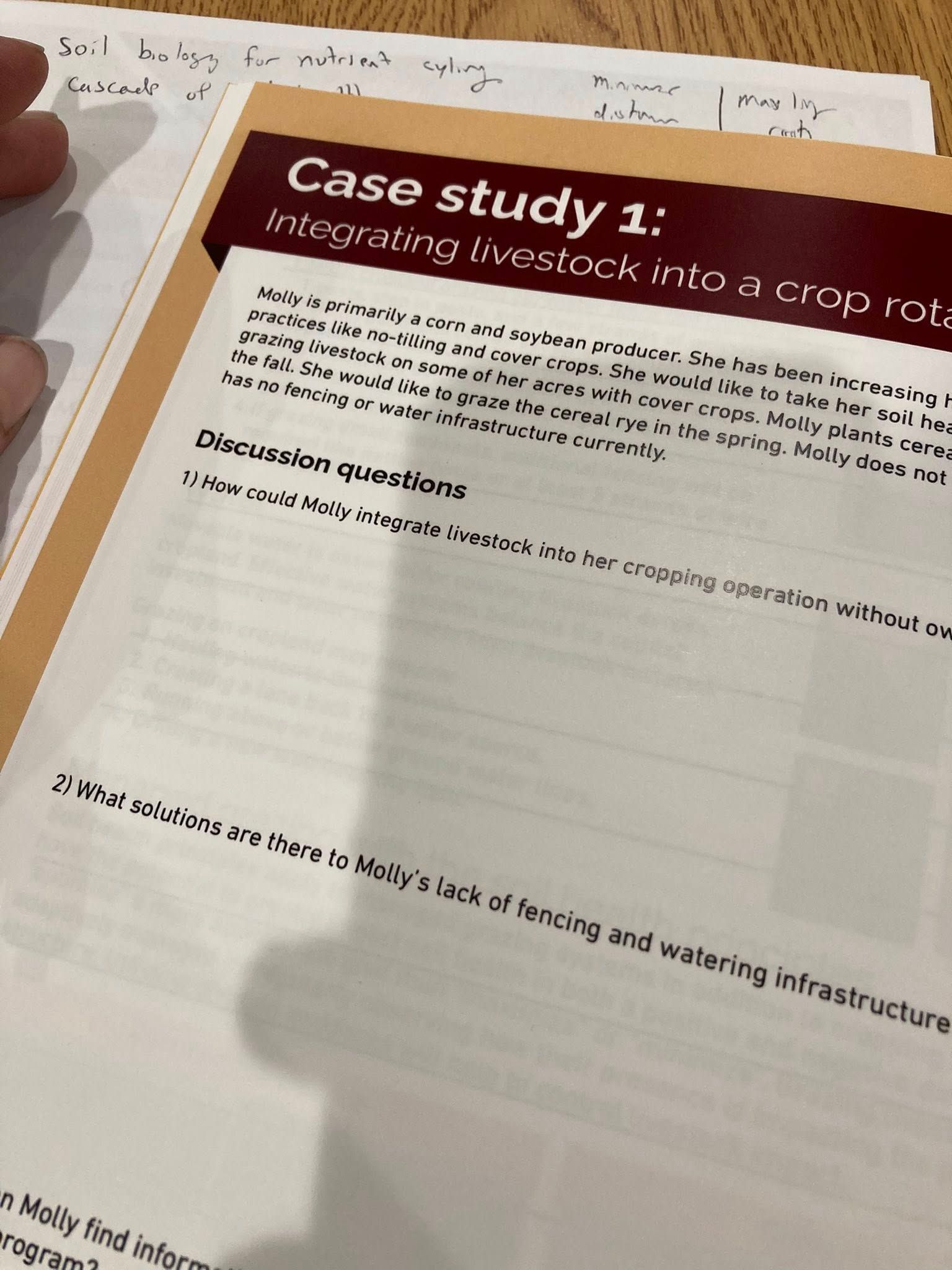
- Case studies on crop-livestock integration scenarios
This interactive format allowed participants to take concepts off the page and apply them to their own operations, whether that meant sequencing cover crops ahead of grazing or accounting for livestock impacts on soil biology.
Who Was There
It was encouraging to see a broad mix of farmers in attendance:
- New growers planning their first custom cattle operation on cropland
- Experienced operators already practicing corn stubble grazing and winter bale grazing, looking for ways to refine their systems
- Producers hungry for both technical knowledge and community connections
Community, Support, and Next Steps
One of the richest takeaways from the evening was the connections. Farmers swapped ideas, Extension educators answered individual questions, and MNGLCA's coordinator, Leah Matzke, was on hand to share mentorship opportunities, grazing schools, and other upcoming support programs.
It’s clear that when farmers come together to learn and collaborate, each acre benefits — in both soil health and practical pathways forward.
Recent Articles