
Virtual Fence in Action:
Learning, Innovation, and Great Company in Blue Earth
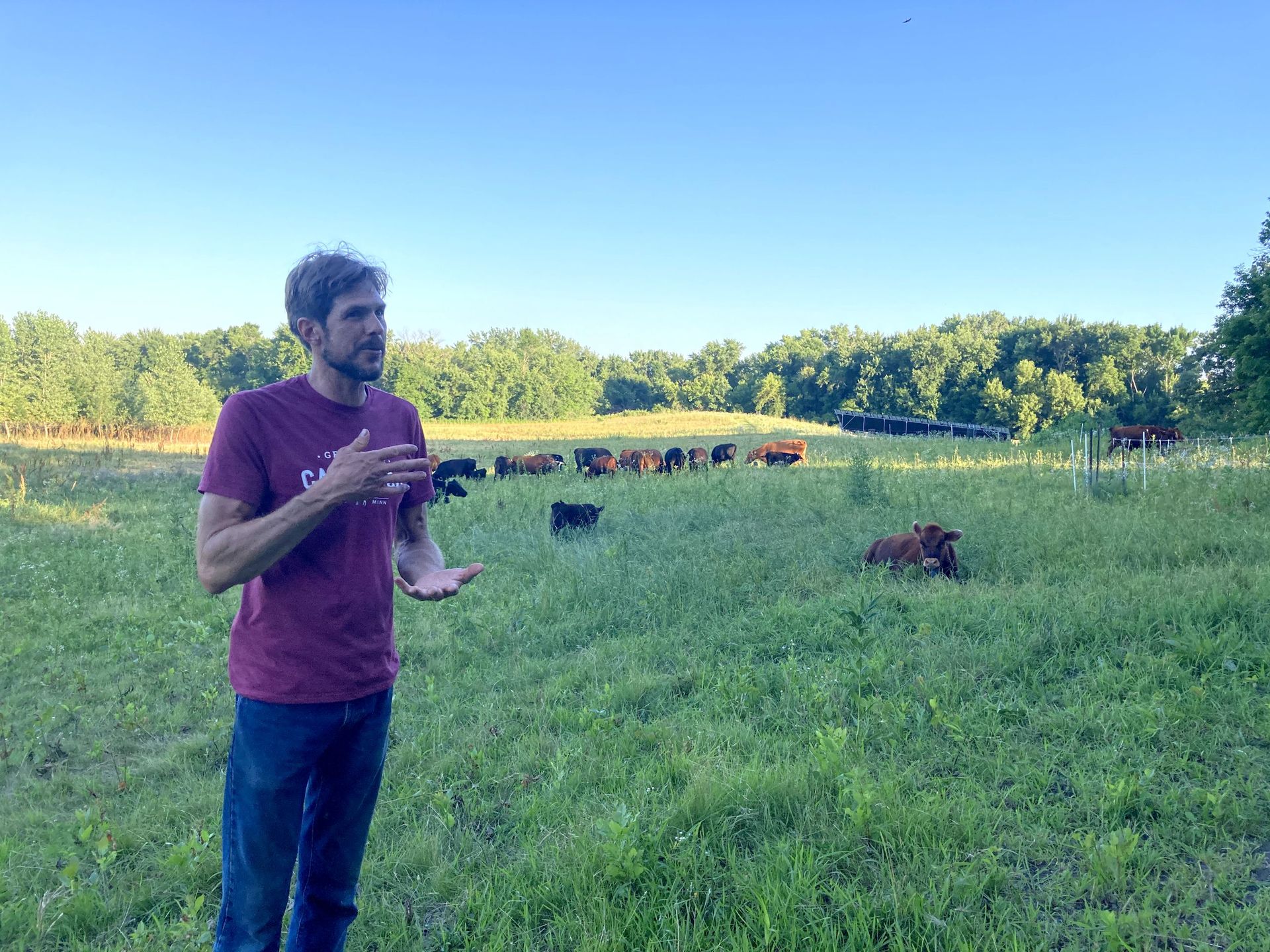
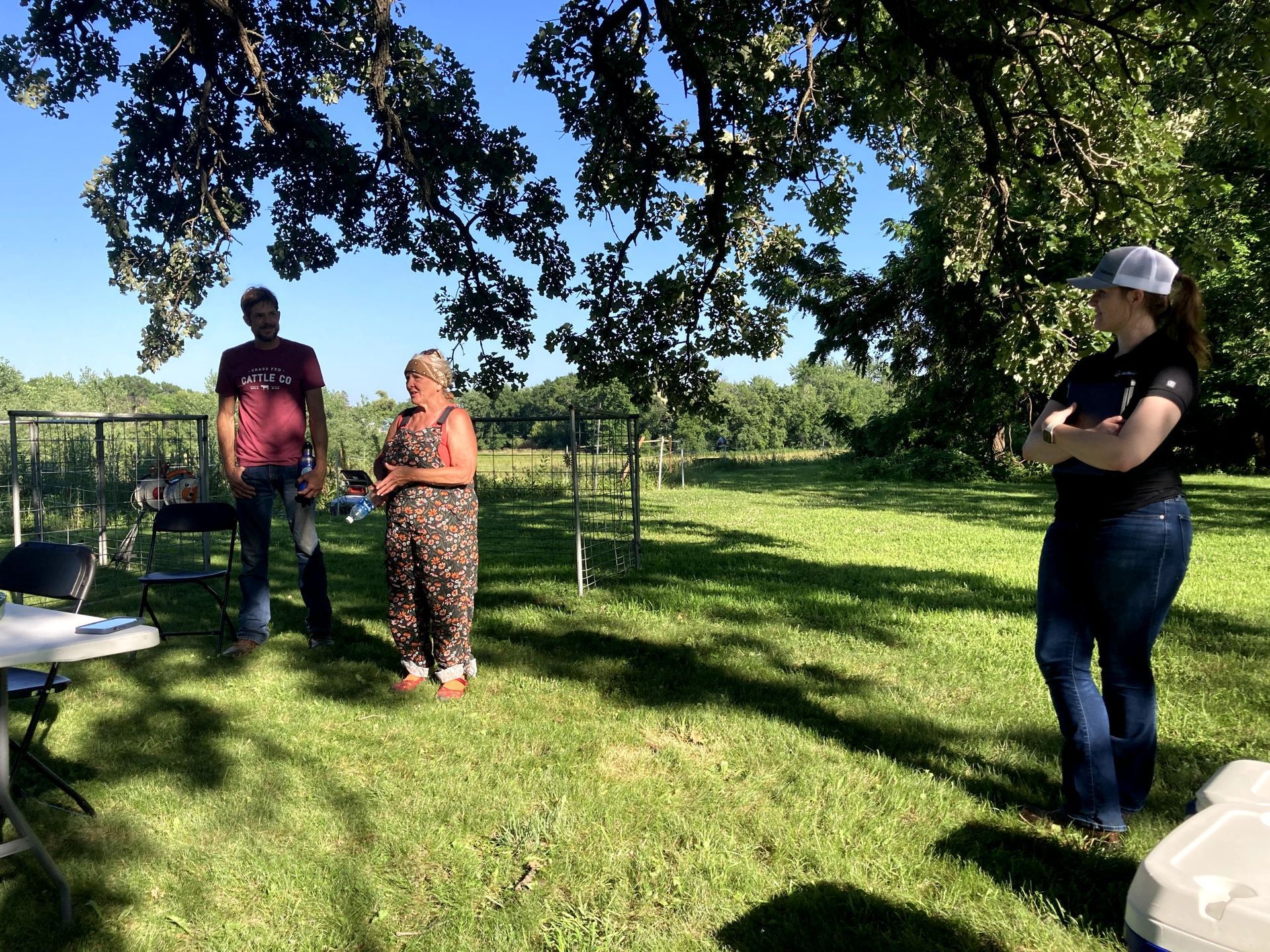
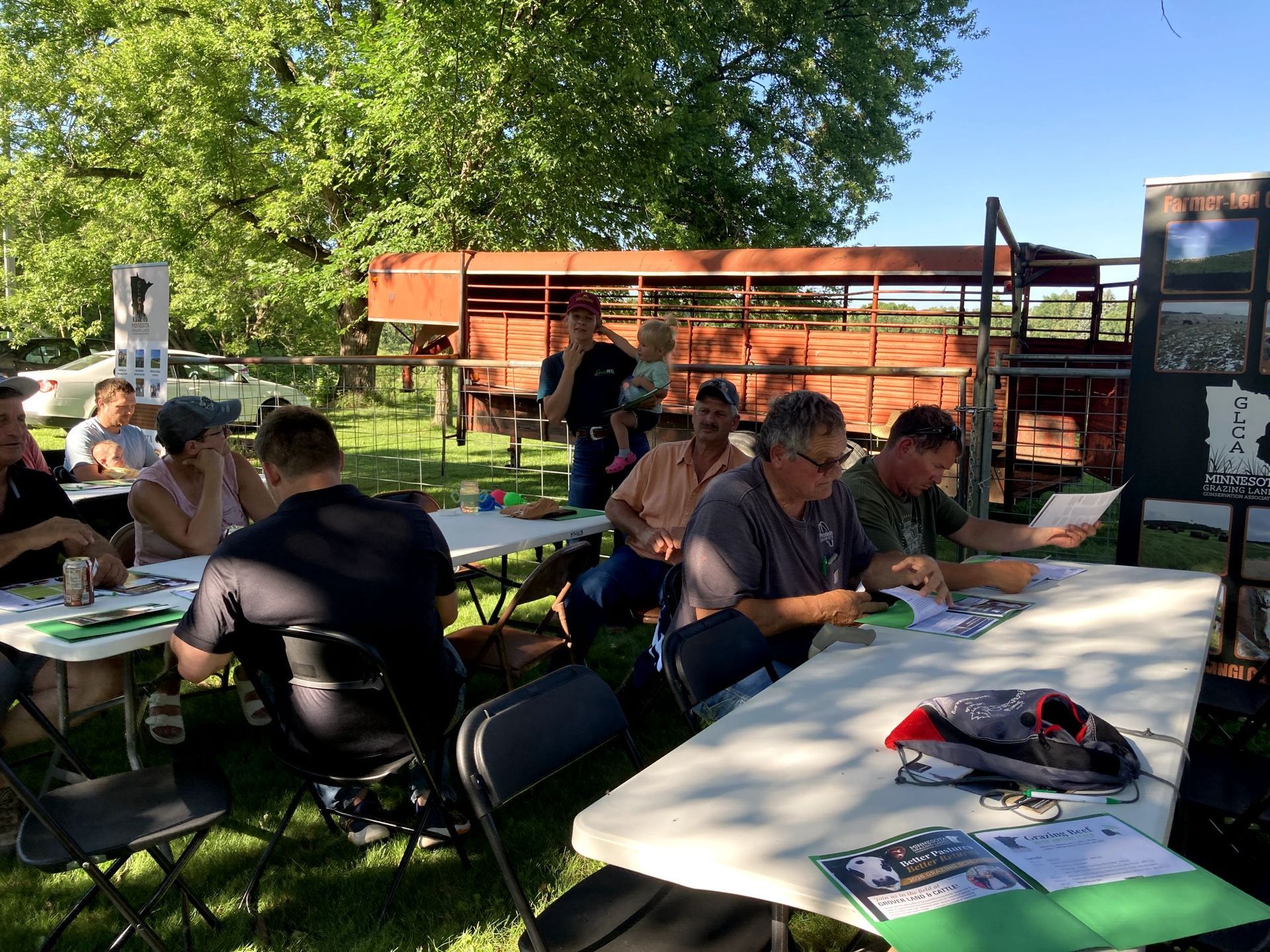
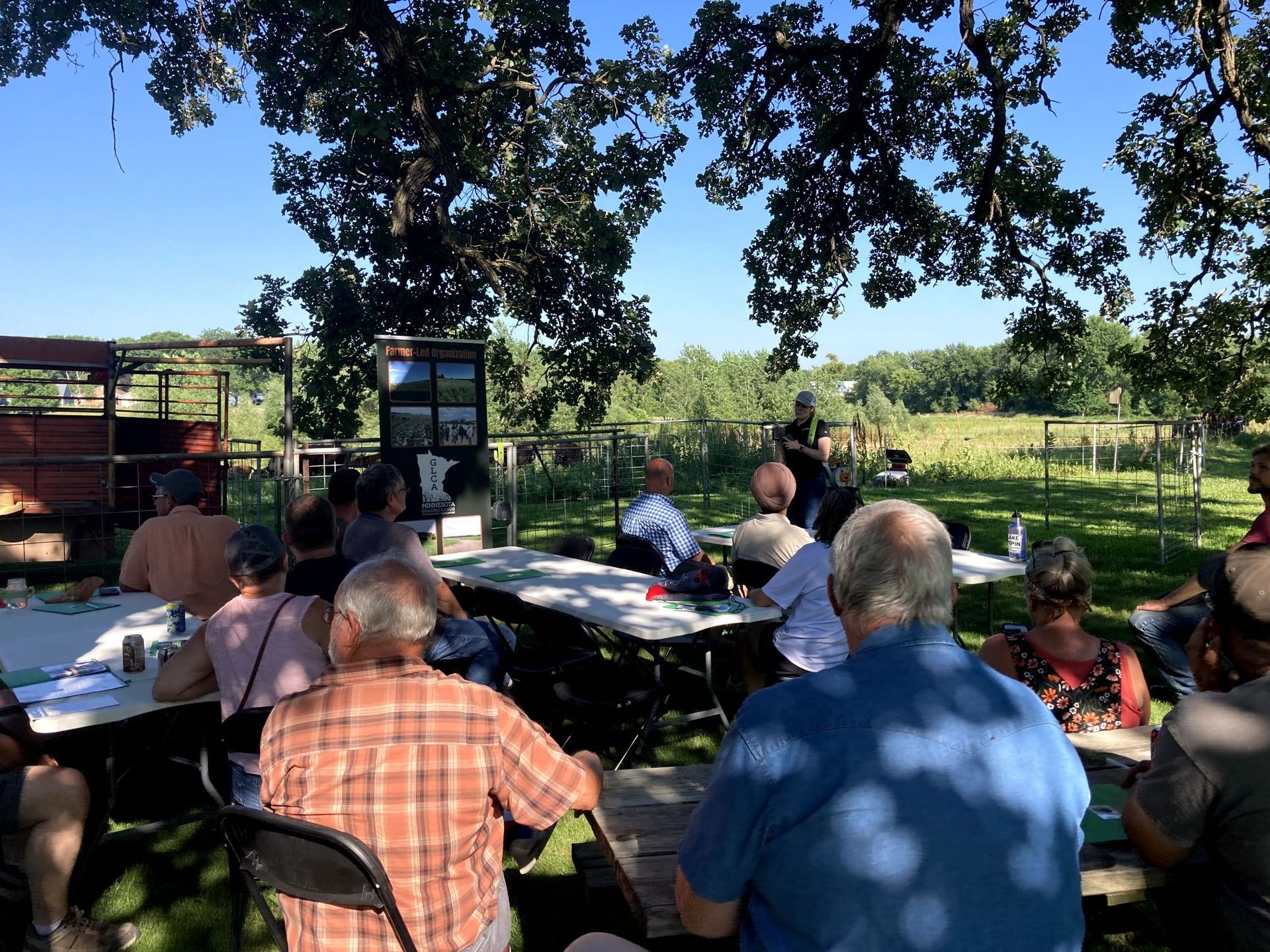
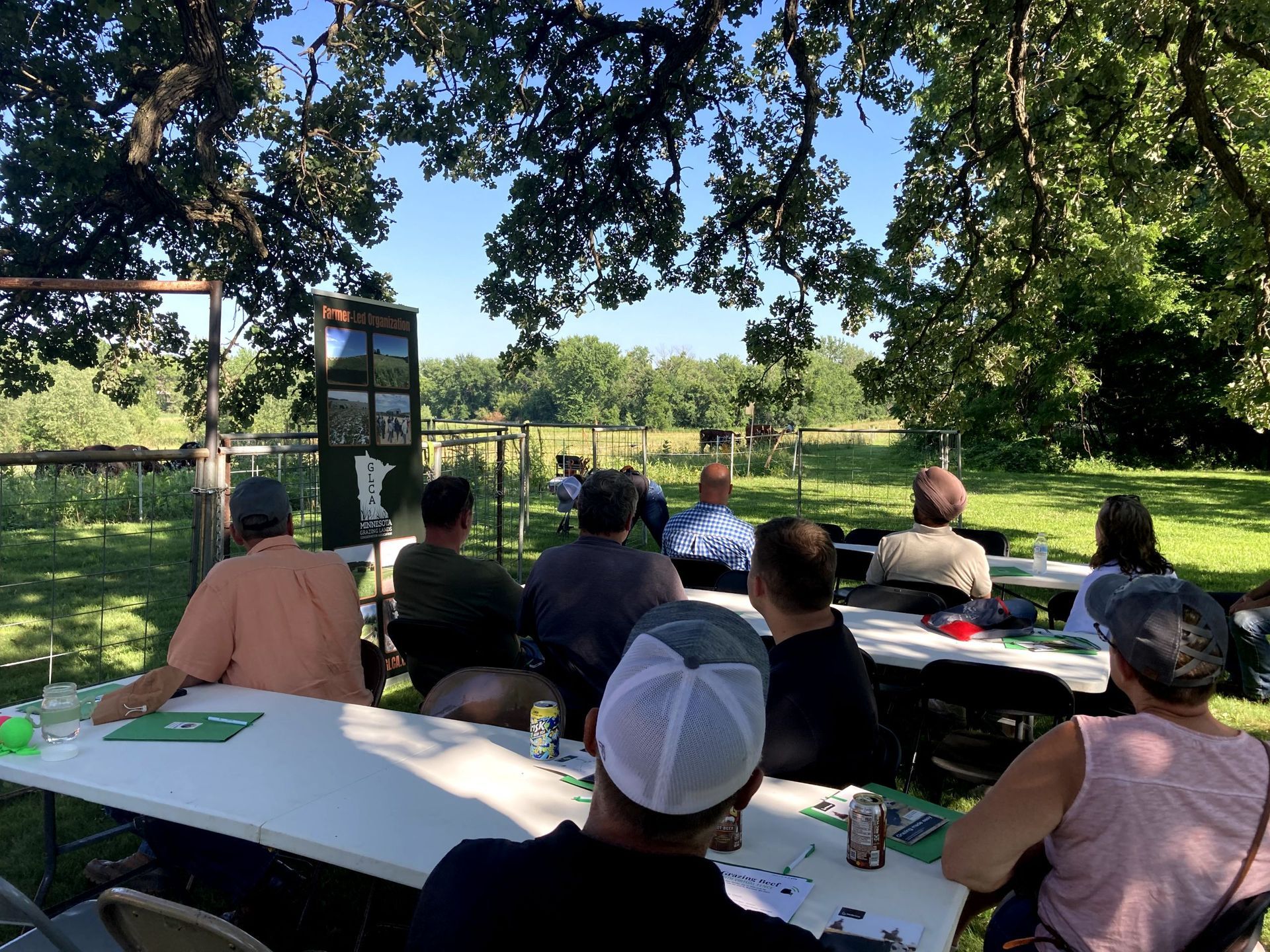
On July 13, the Minnesota Grazing Lands Conservation Association welcomed producers from across southern Minnesota to an evening field day focused on one of the fastest-growing innovations in grazing management—virtual fencing. Hosted by Scott Hasse on the beautiful property of Lisa Lindberg and Steve Kittleson in Blue Earth, attendees enjoyed an evening of practical education, great food, and meaningful conversations about the future of grazing.
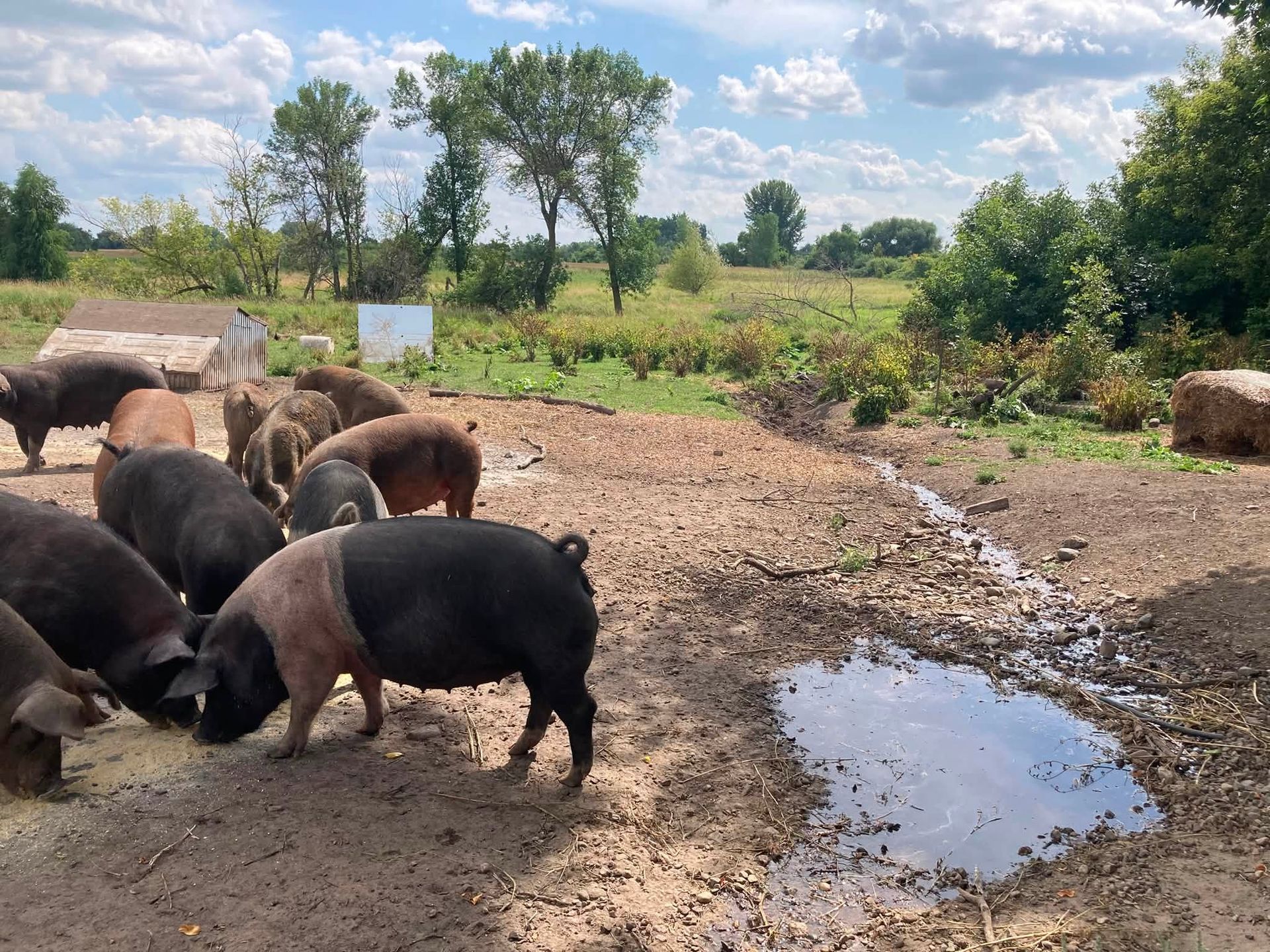
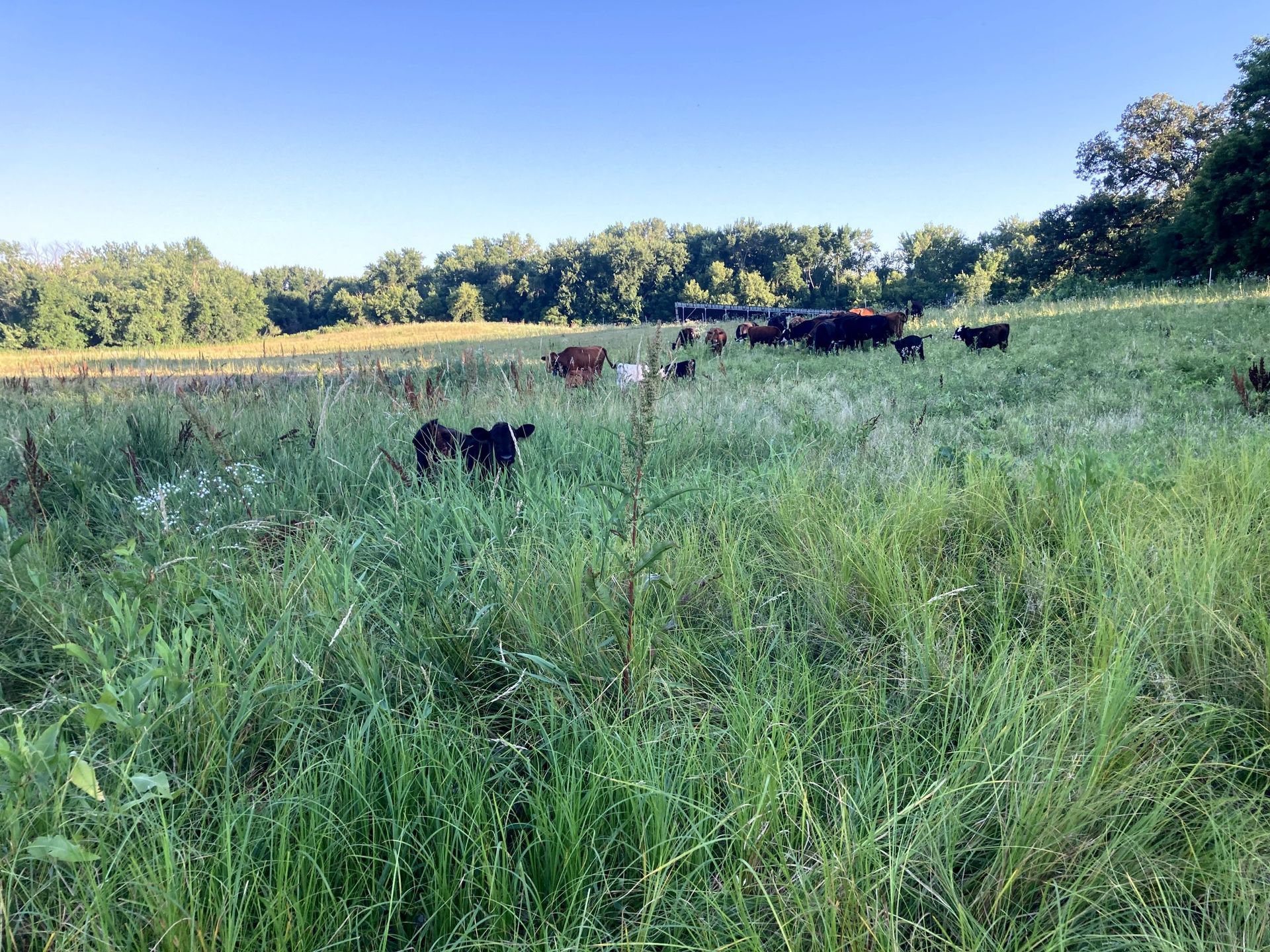
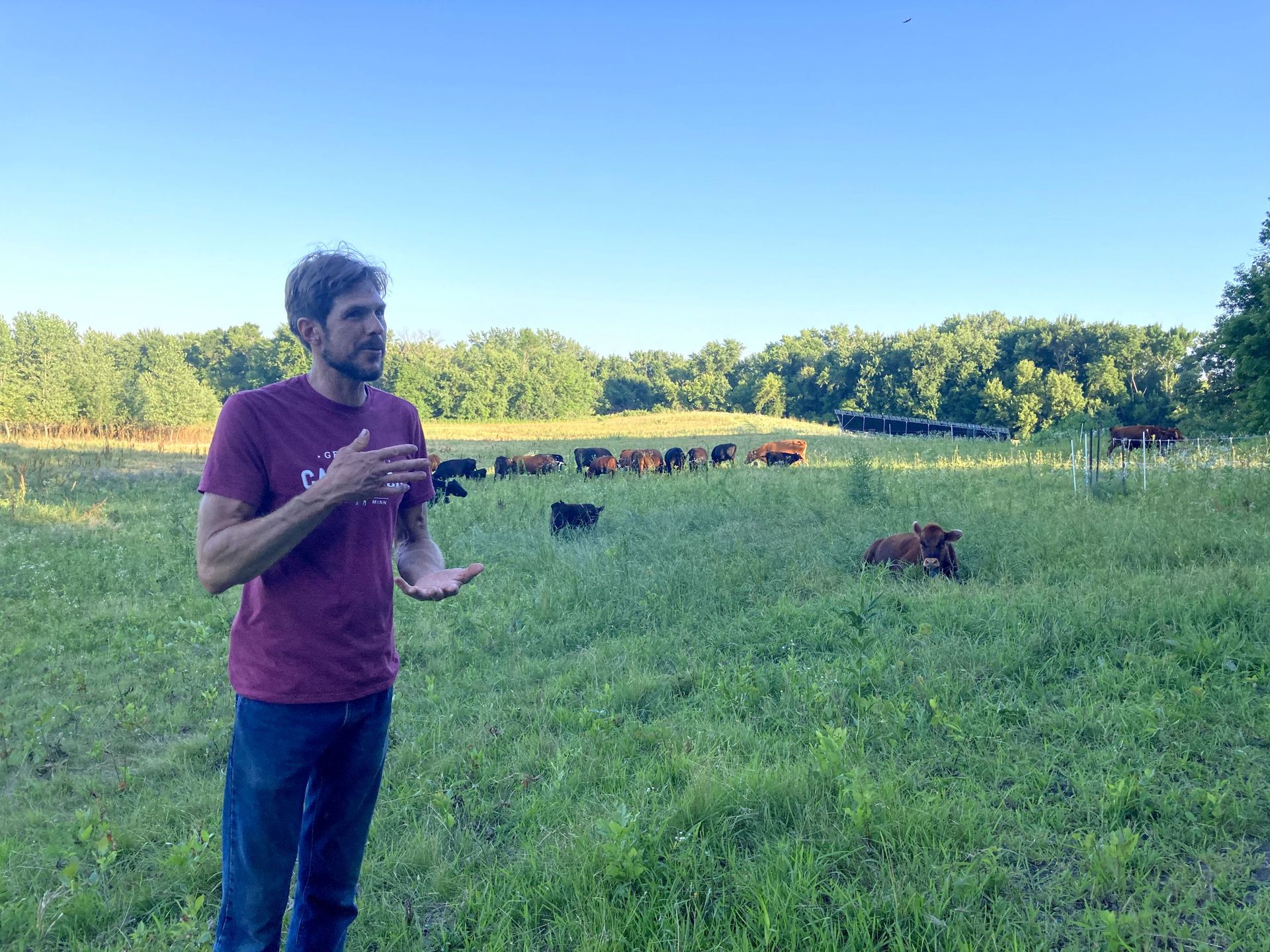
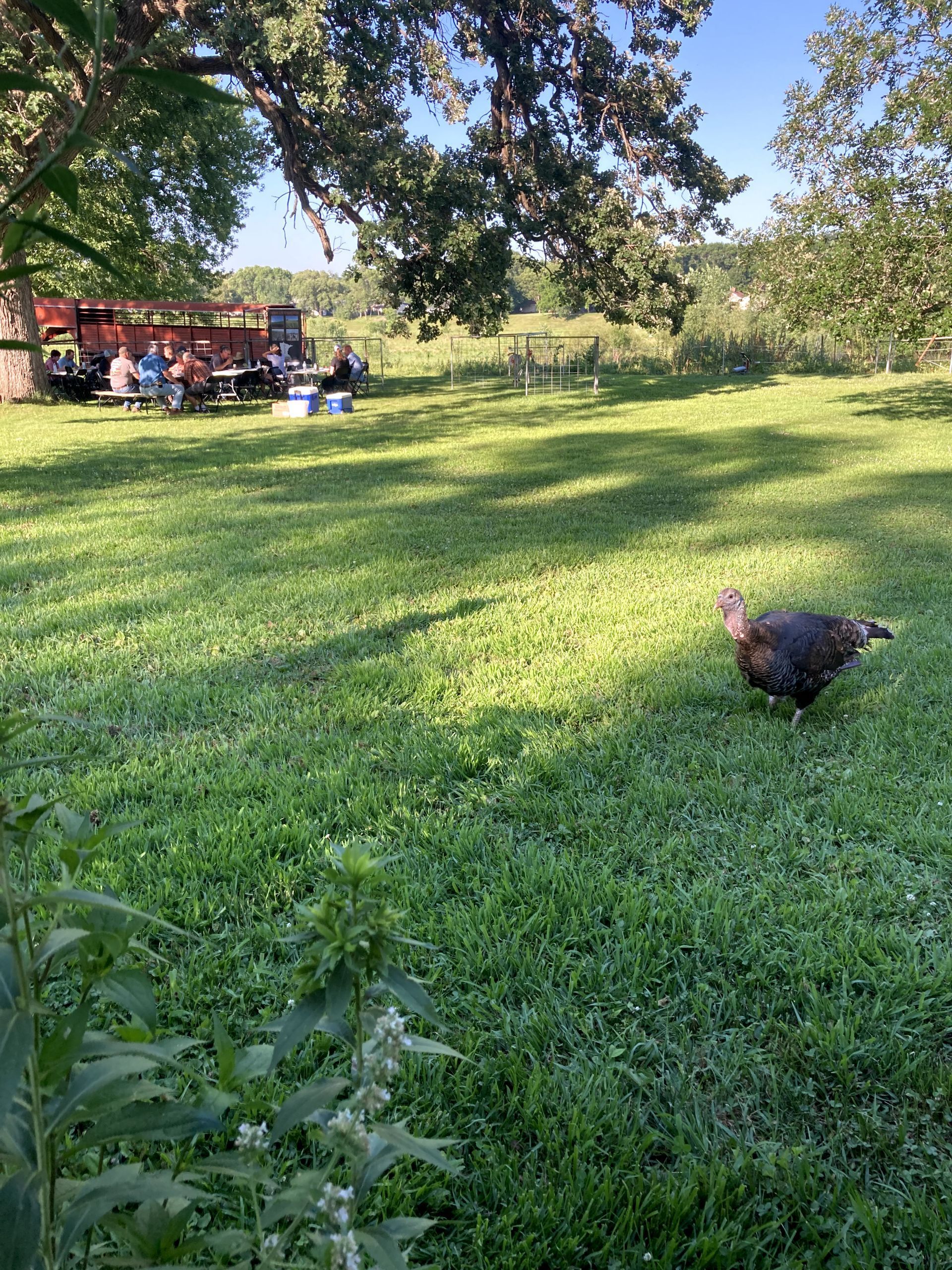
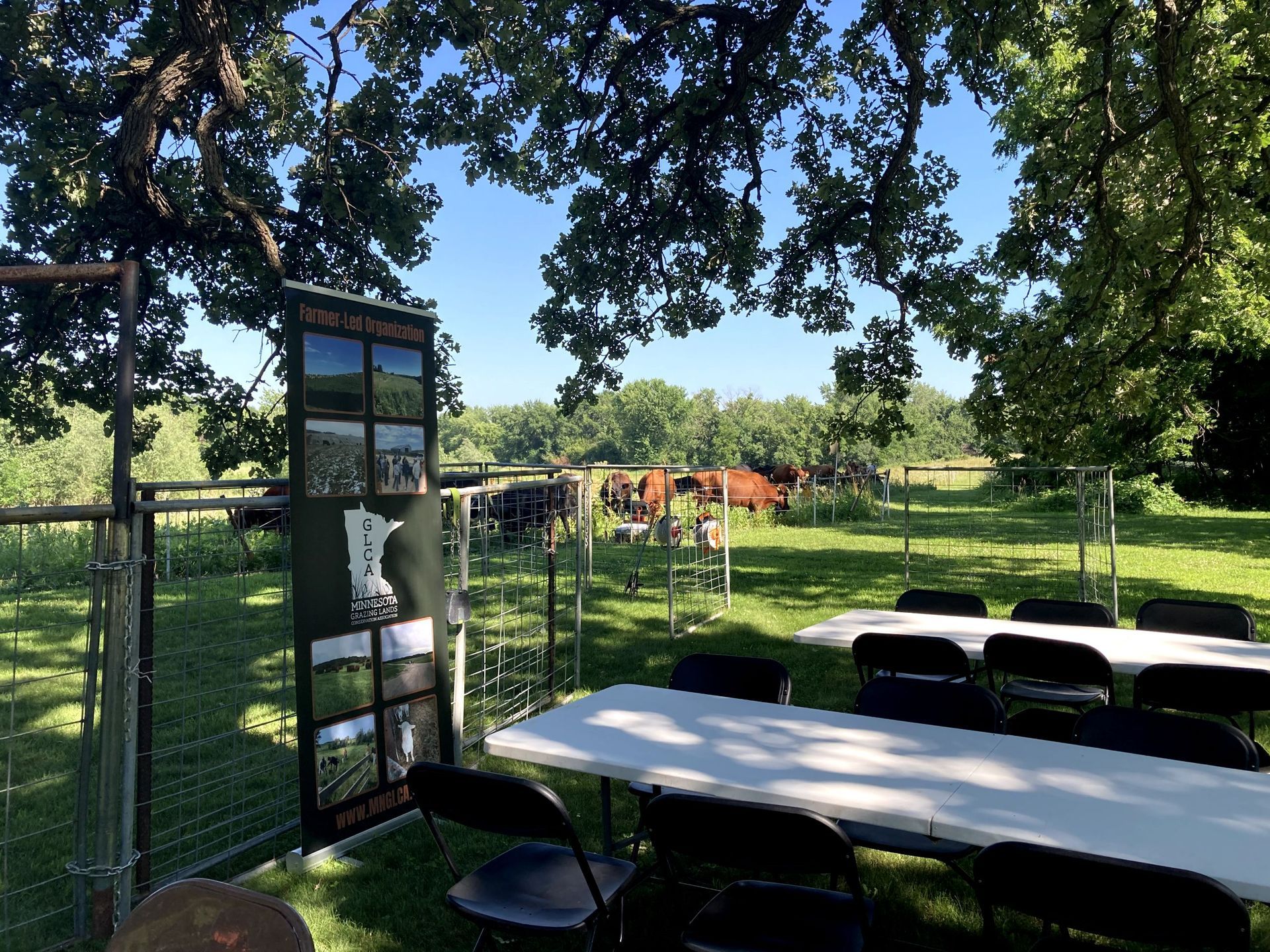
Although technically located within the Blue Earth city limits, the property feels more like a park than a neighborhood, providing the perfect setting for Scott's herd of cattle equipped with Nofence virtual collars. When the cattle first arrived a few neighbors actually called the local police, thinking cattle has mistakenly ended up in town. Instead, they learned these cattle where here in intentionally to graze and improve the soil health on the land.
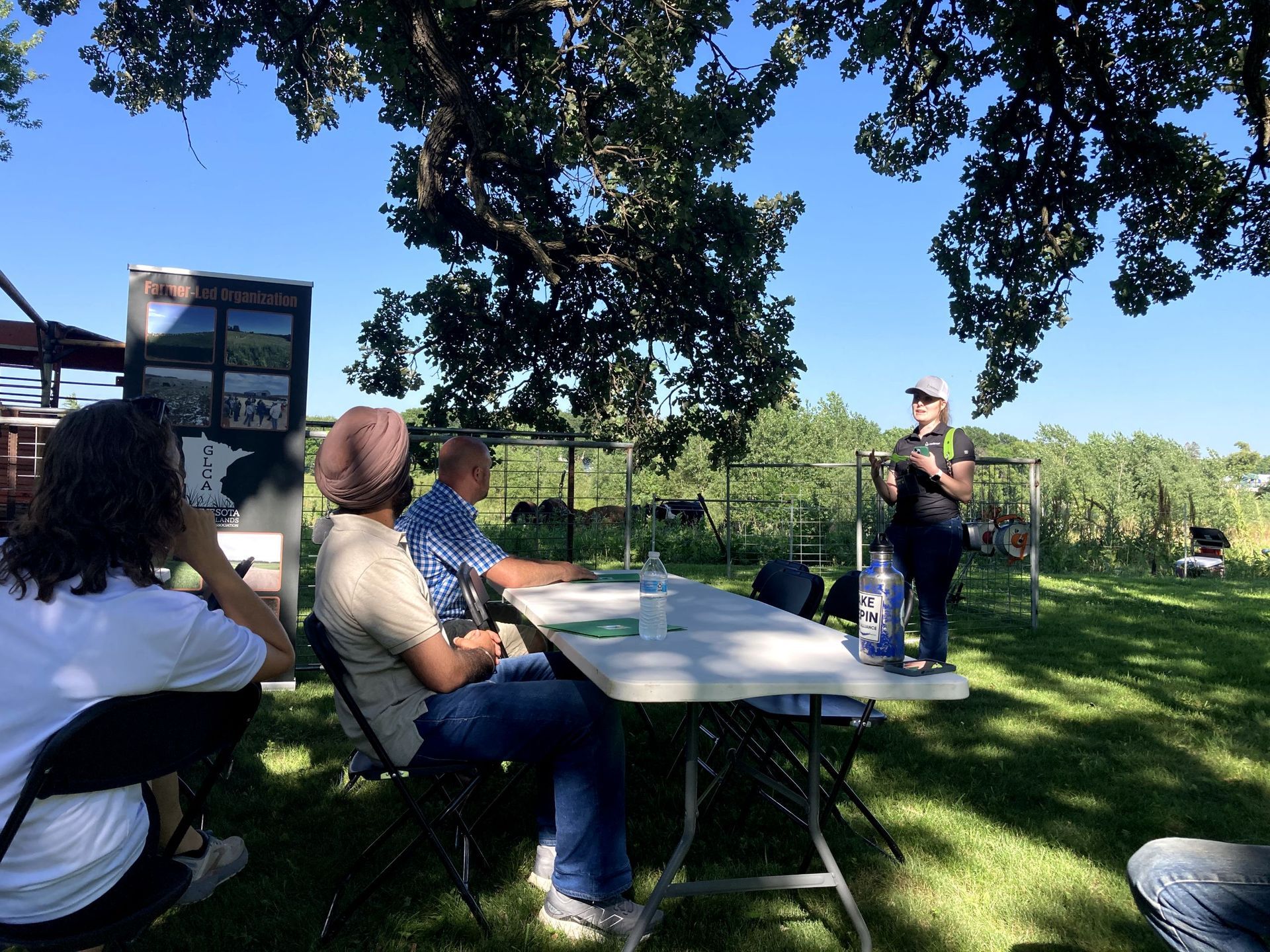
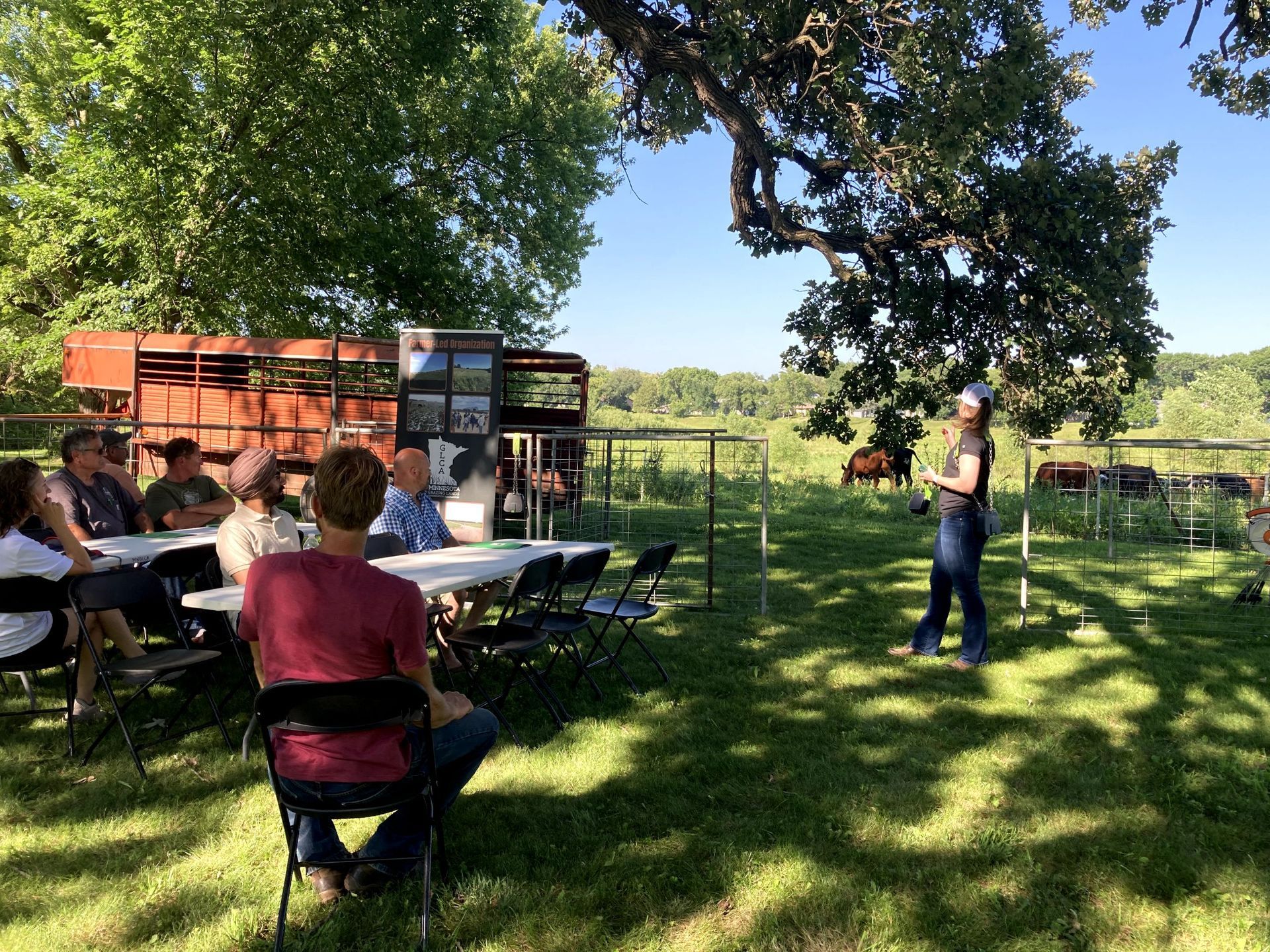
To start off the event, Emma Baker of Nofence introduced attendees to the fundamentals of virtual fencing technology, explaining how GPS-enabled collars allow producers to create, adjust, and move pasture boundaries from a smartphone—eliminating the need for many temporary fences while opening new possibilities for grazing management.
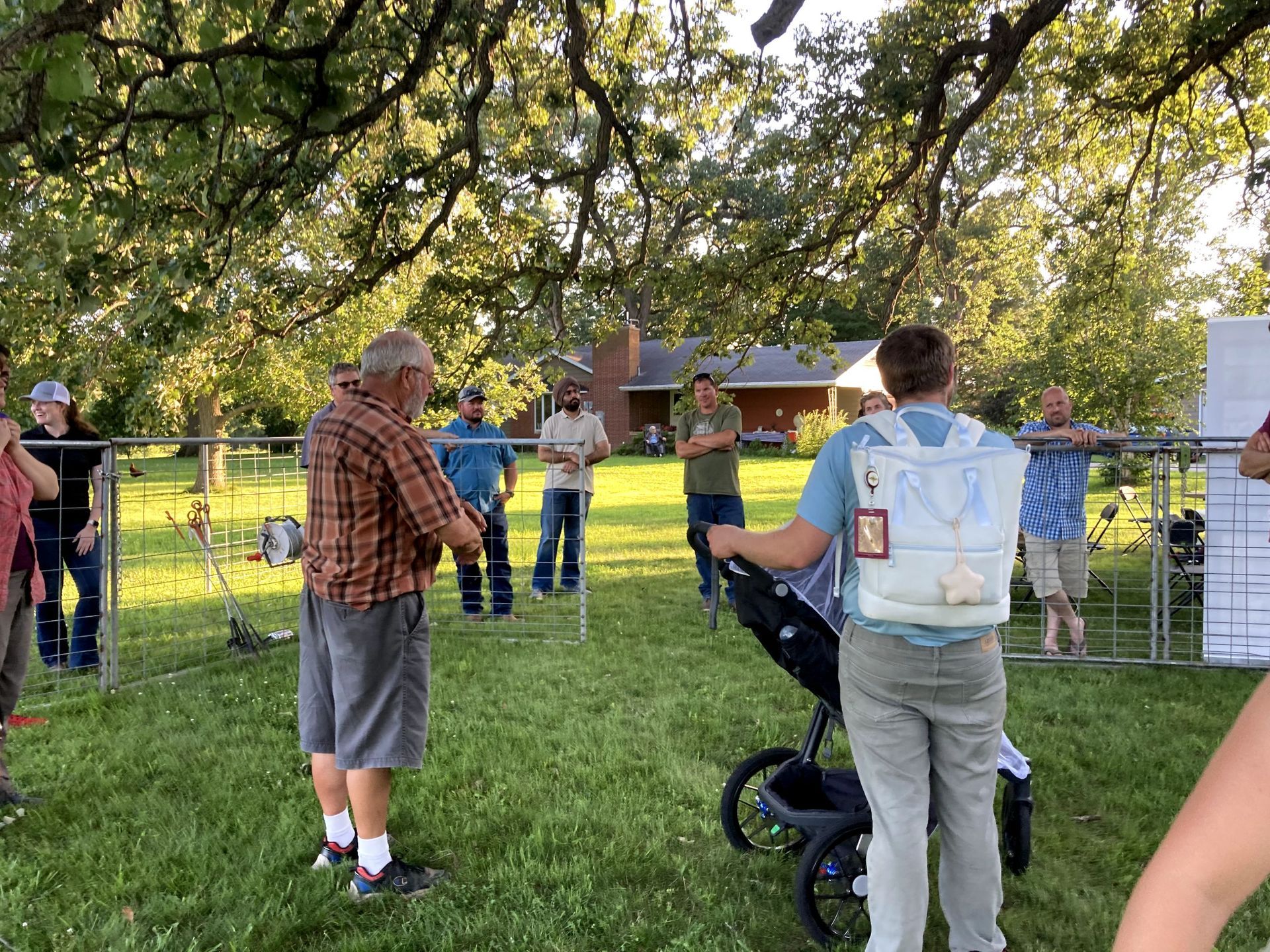
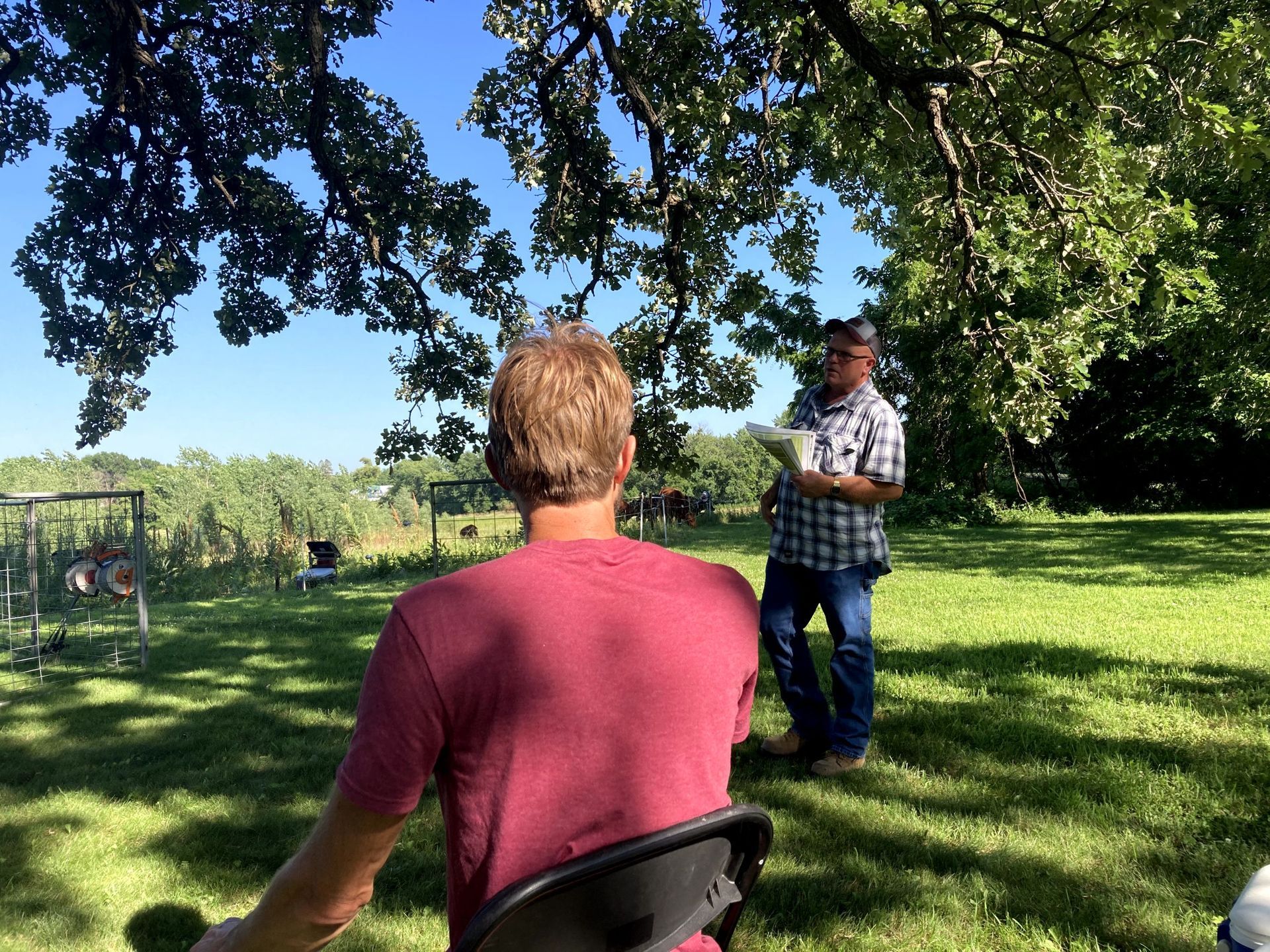
Next, Dean Thomas with NRCS shared updates on EQIP programs and virtual fencing cost-share opportunities available to producers. Dean's decades of experience in grazing were evident throughout his presentation. One attendee summed it up perfectly with a smile: "So when my NRCS agent talks about Dean, he's talking about you?" The lawn filled with laughter, a fitting tribute to someone who has spent more than 30 years supporting grazing producers throughout Minnesota.
Following Dean's presentation, Sabrina Florentino of Green Lands Blue Waters highlighted the organization's work advancing grazing systems and the educational resources available to producers interested in regenerative agriculture.
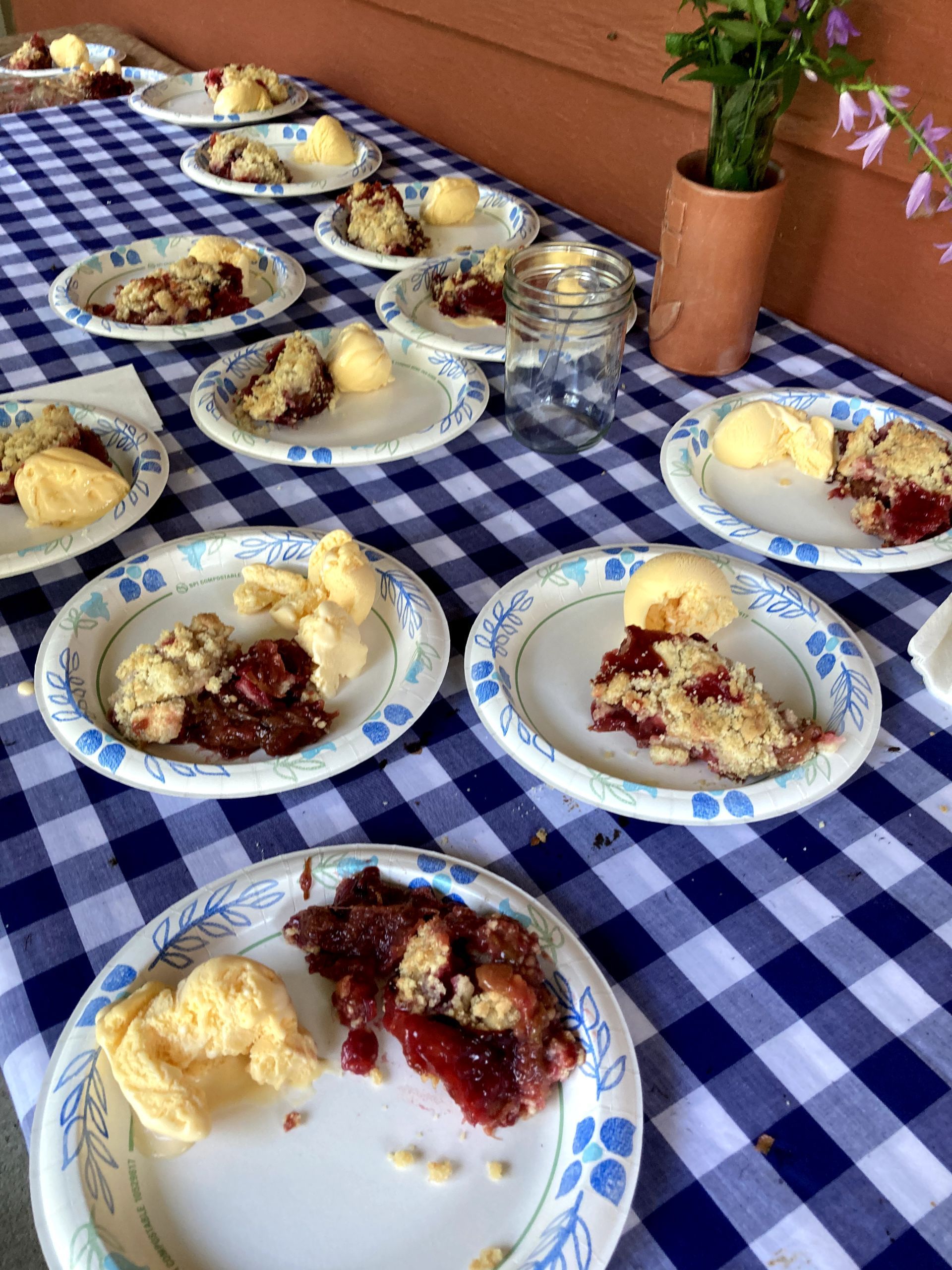
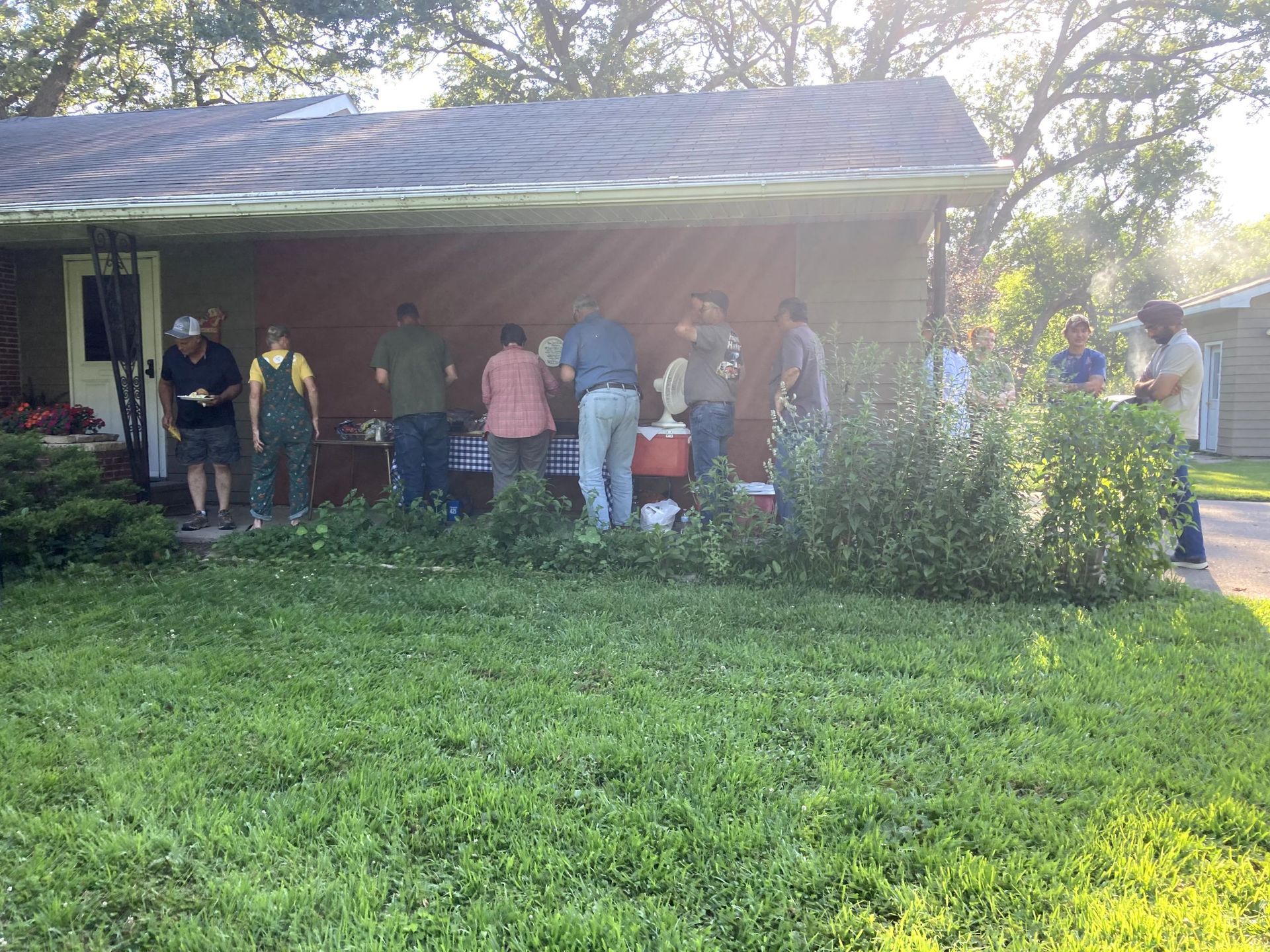
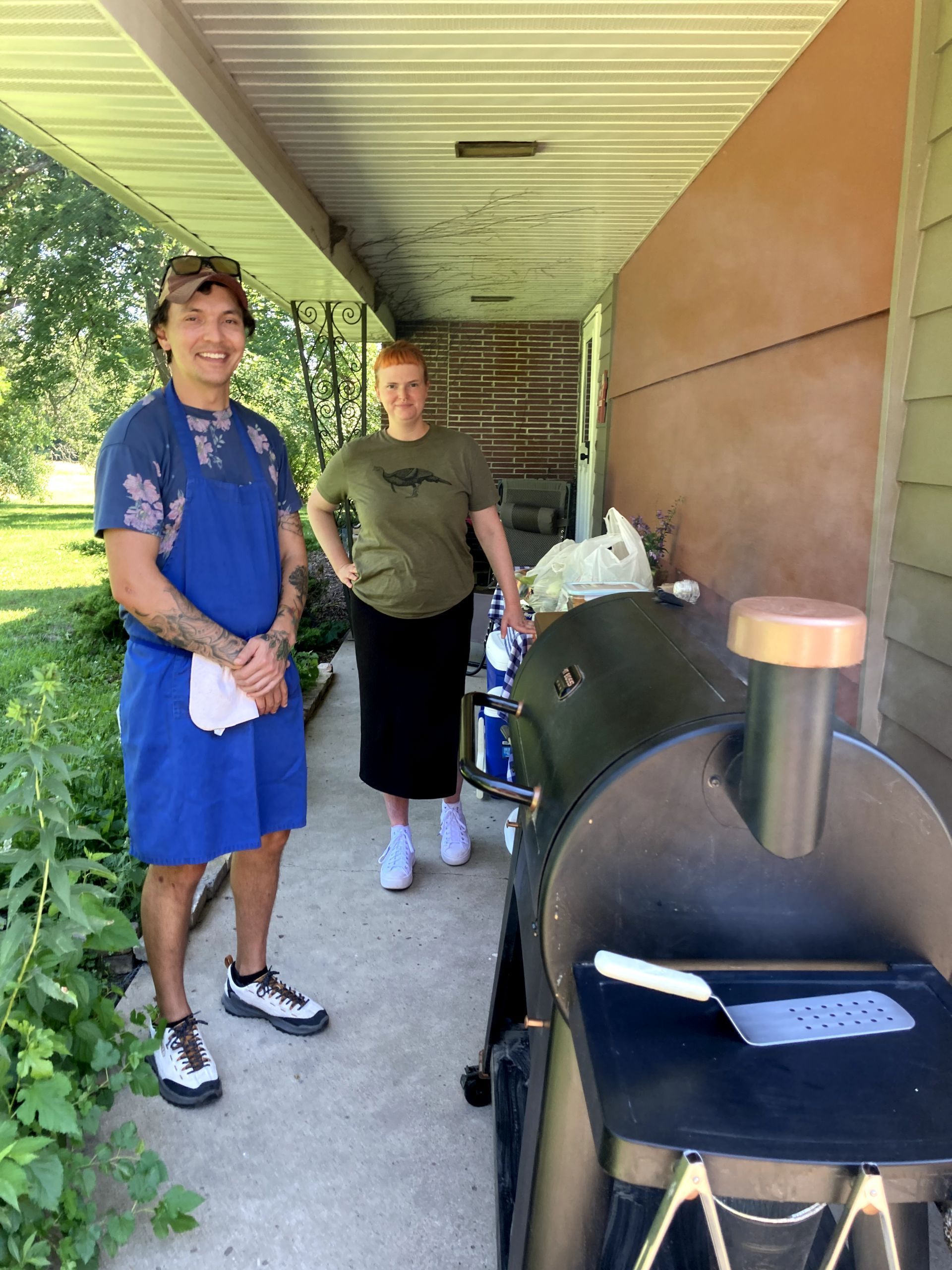
The evening continued with a delicious meal prepared by Hunter, chef at The Amboy Cottage Café, owned by Lisa Lindberg. Guests enjoyed outstanding grass-fed burgers provided by Grass Fed Cattle Co., one of Scott Hasse's beef businesses, while connecting with fellow producers.
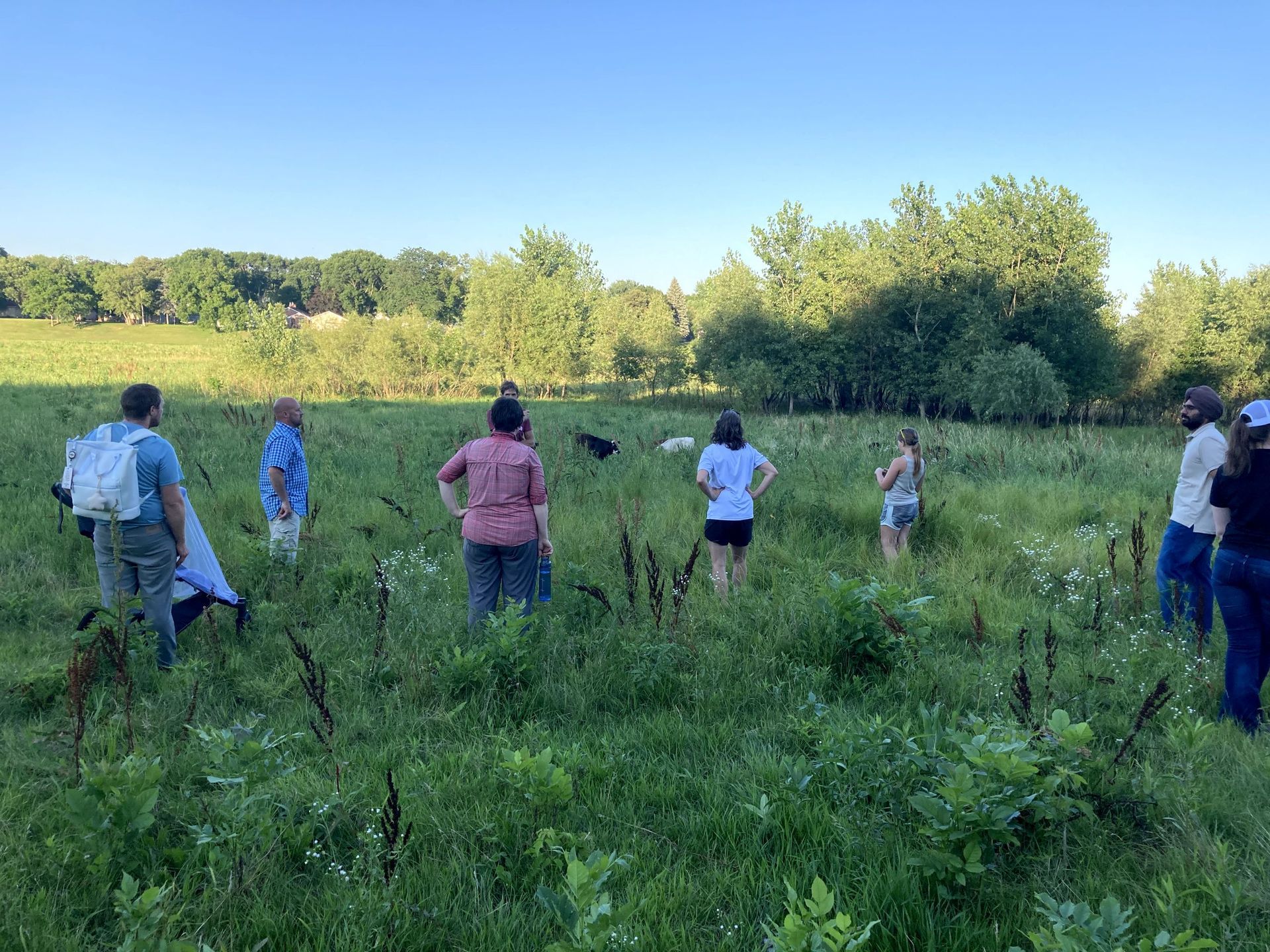
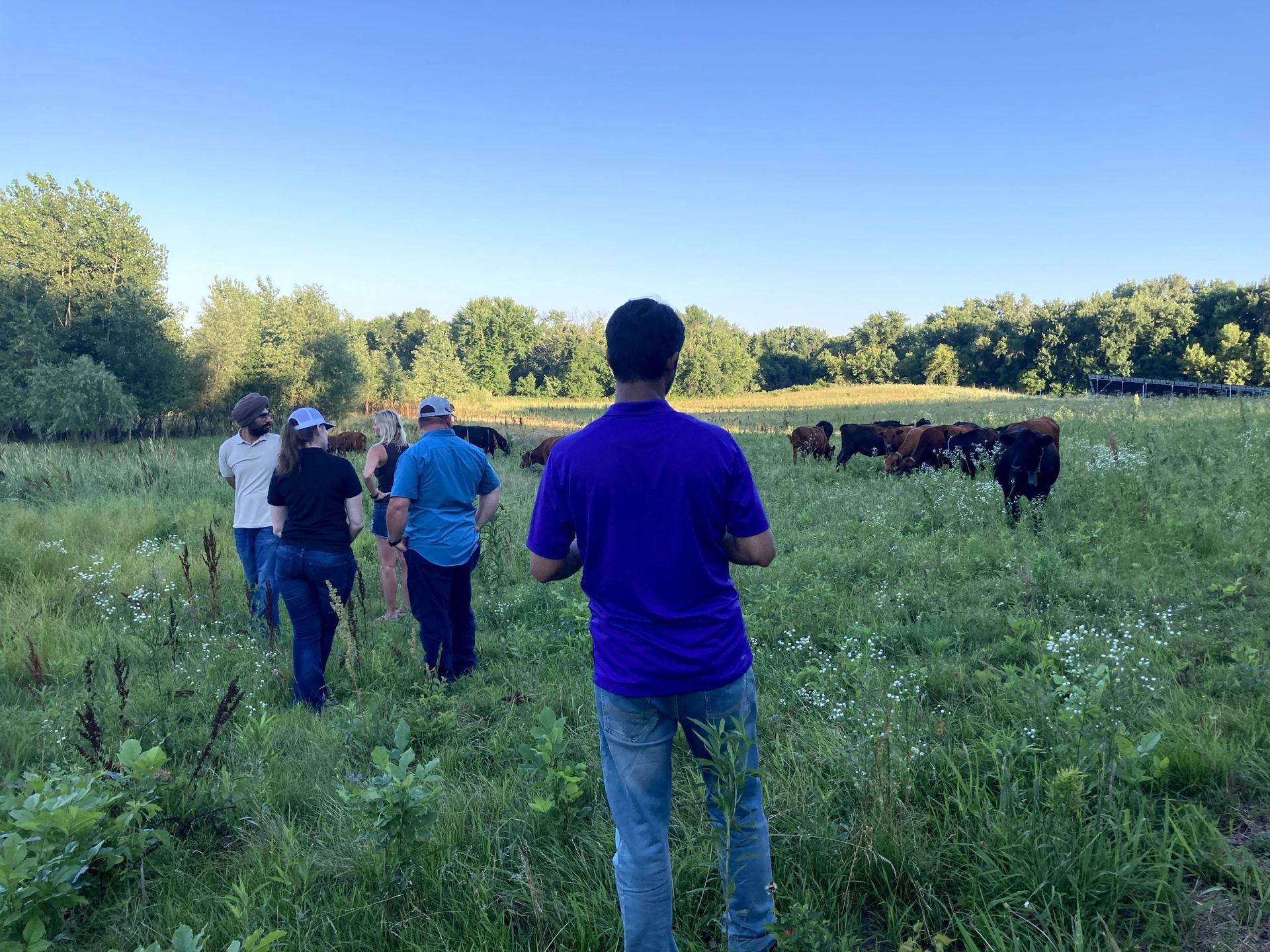
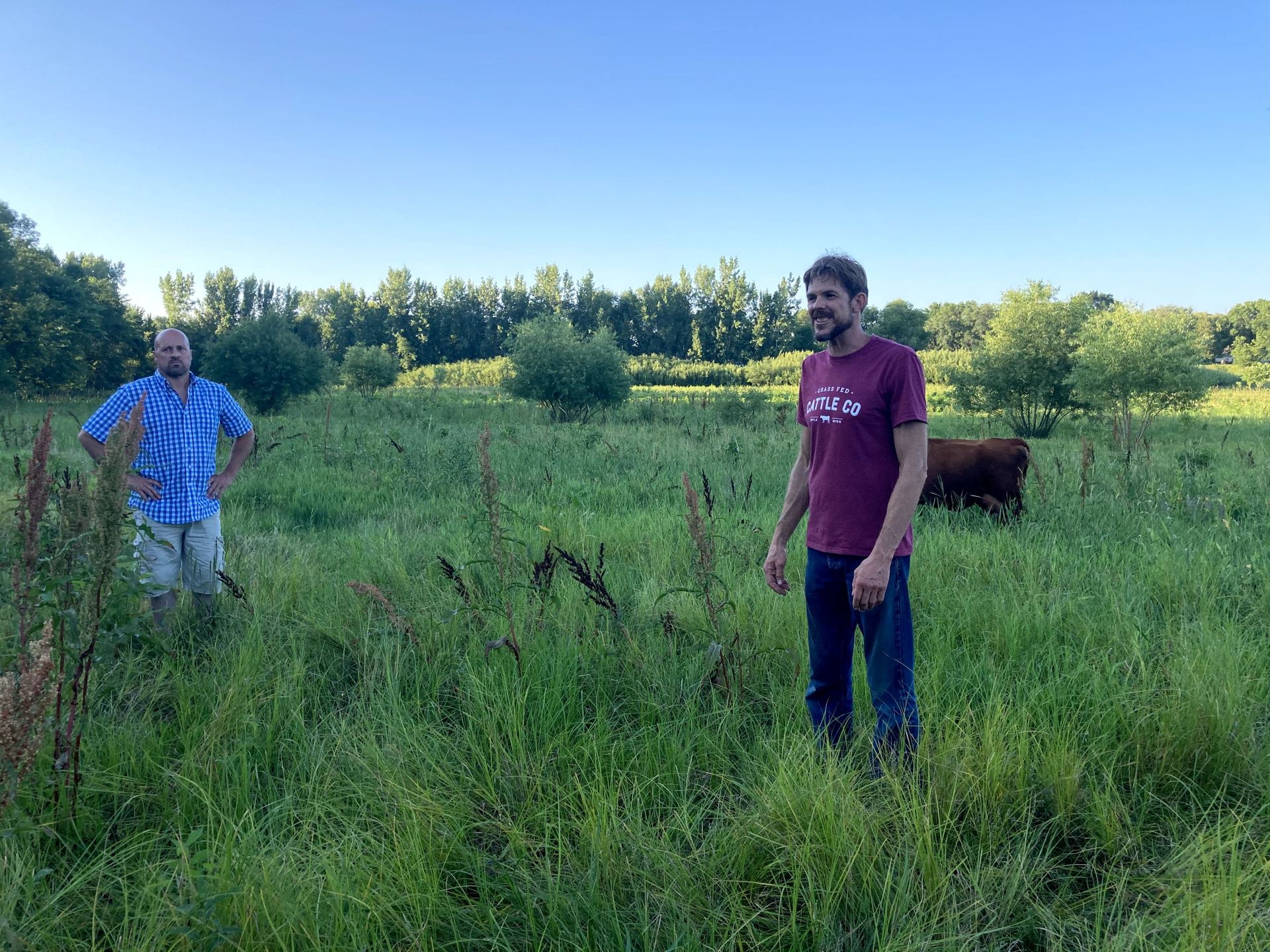
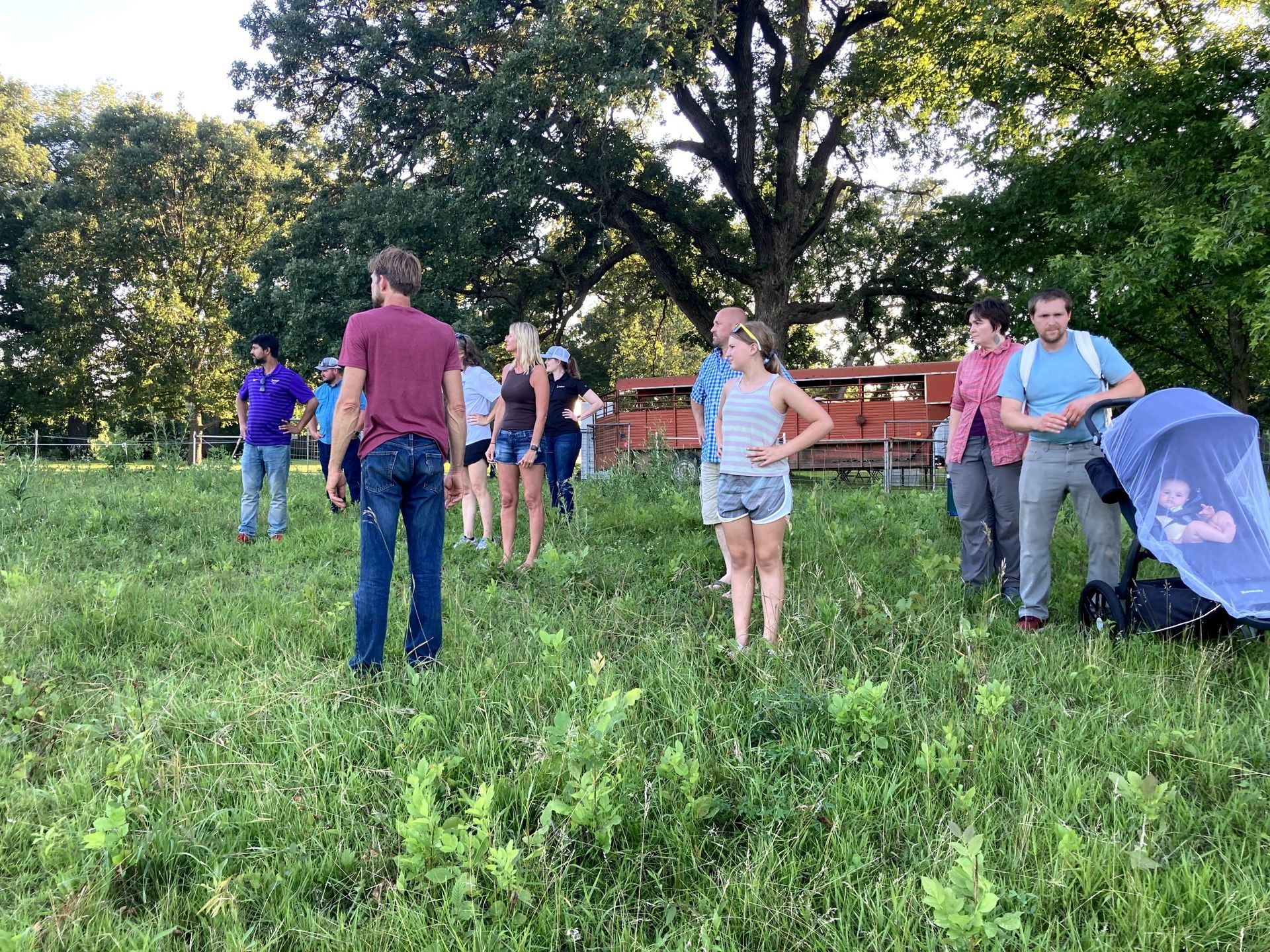
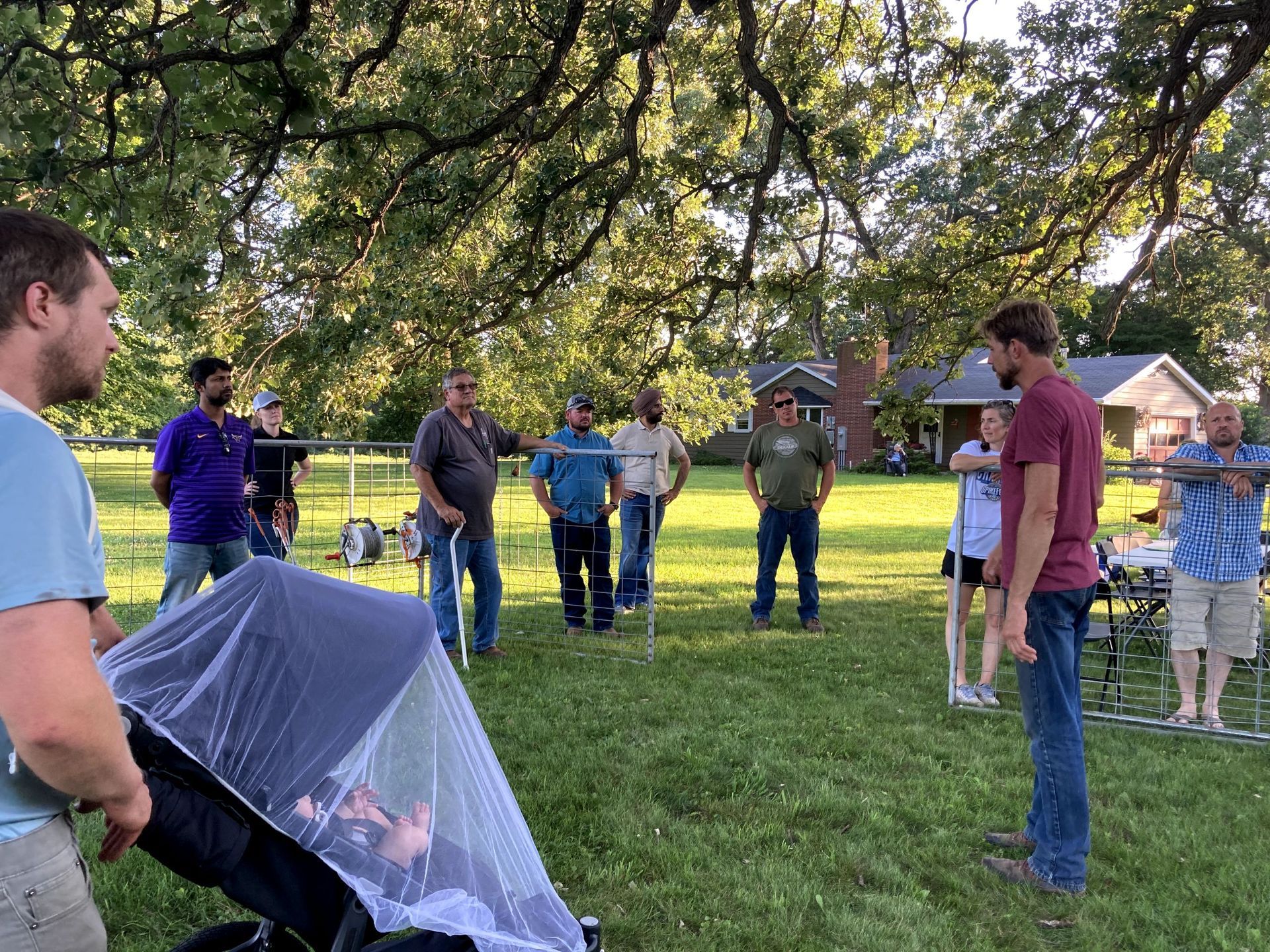
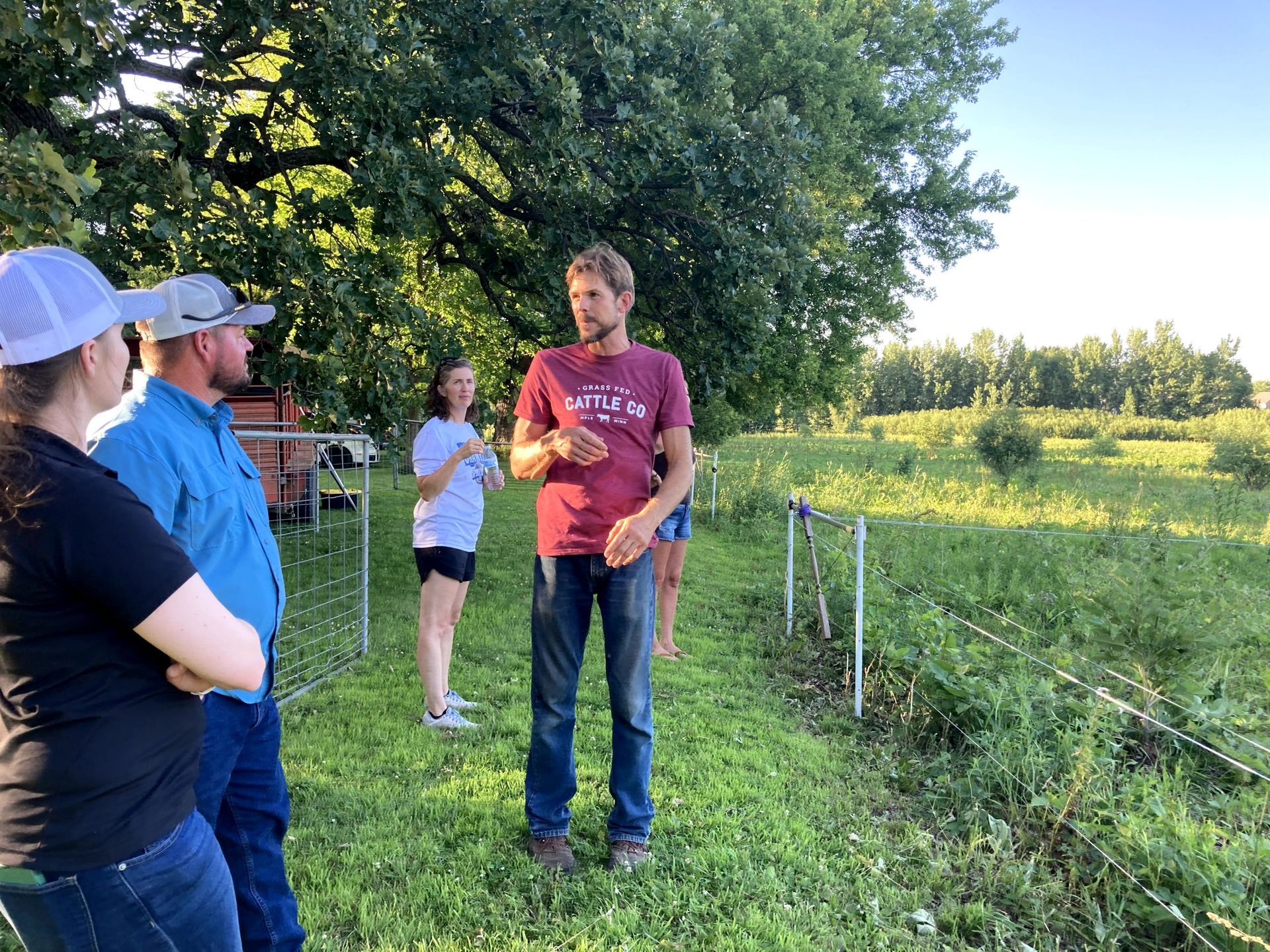
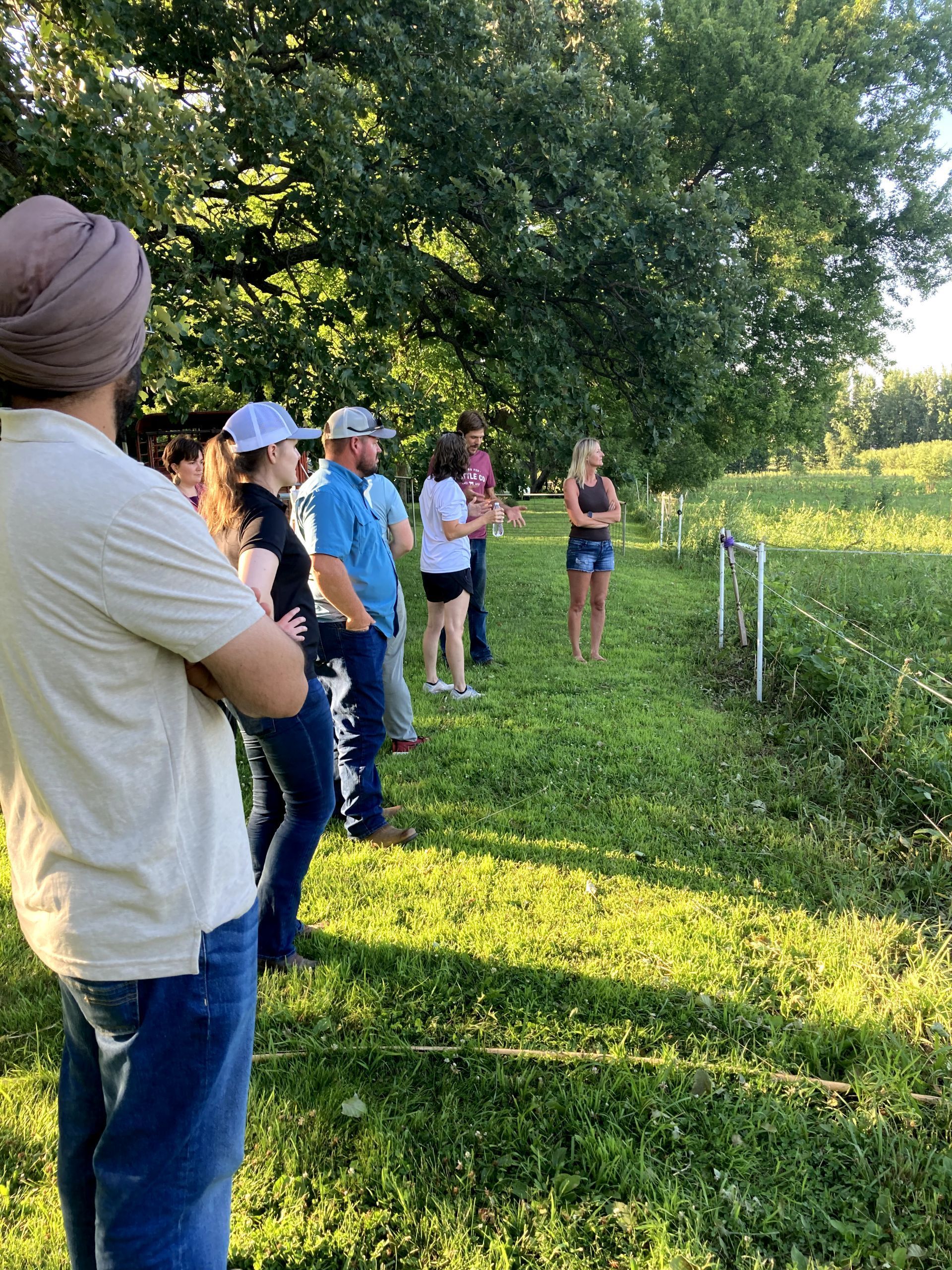
The highlight of the evening came as attendees headed into the pasture with Scott Hasse for a firsthand demonstration of the technology in action. As one of Nofence's earliest pilot adopters in the United States, Scott has spent a few years now exploring how virtual fencing can improve grazing management, simplify cattle moves, and create opportunities to graze areas that would otherwise be difficult or costly to fence.
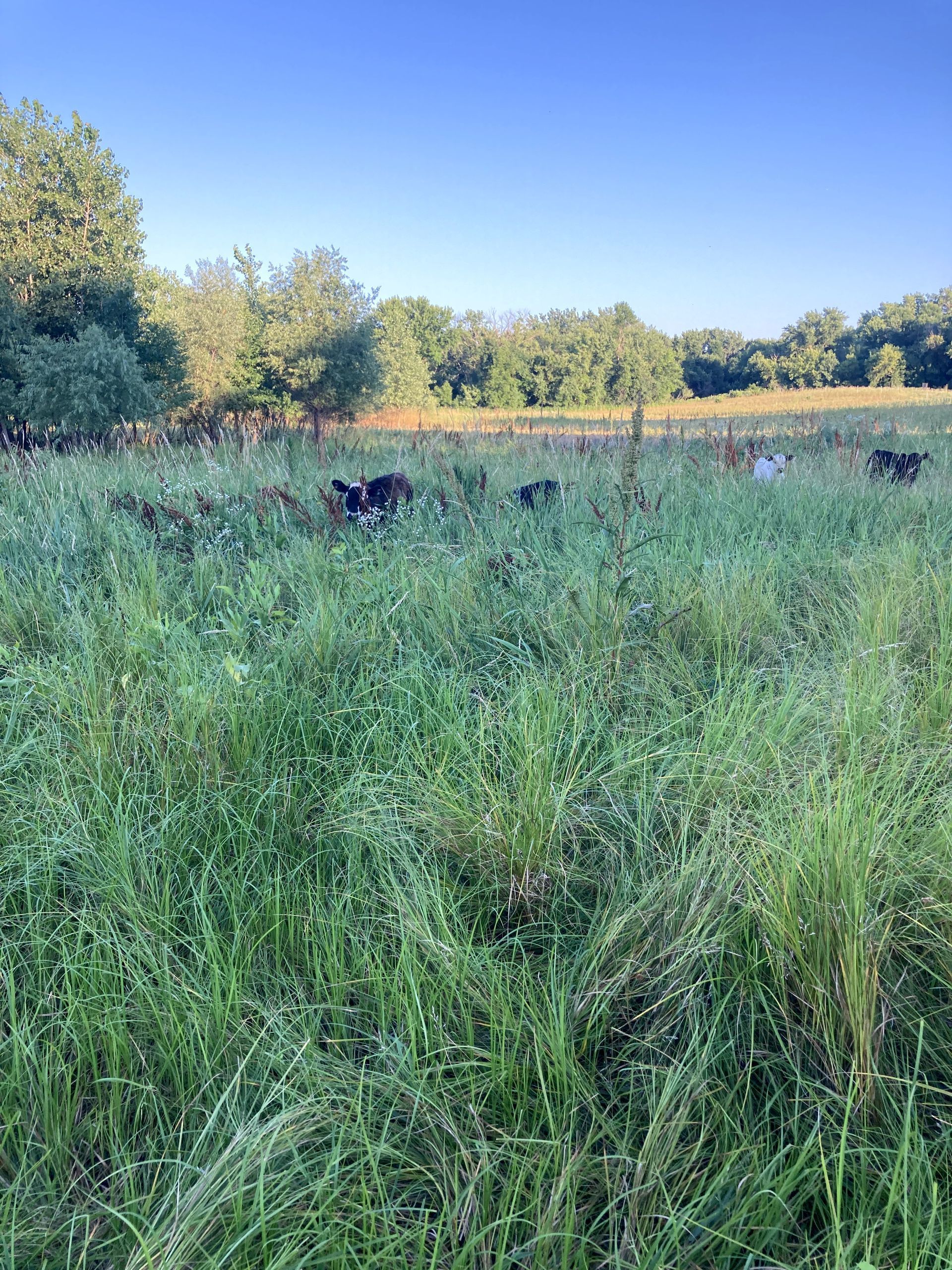
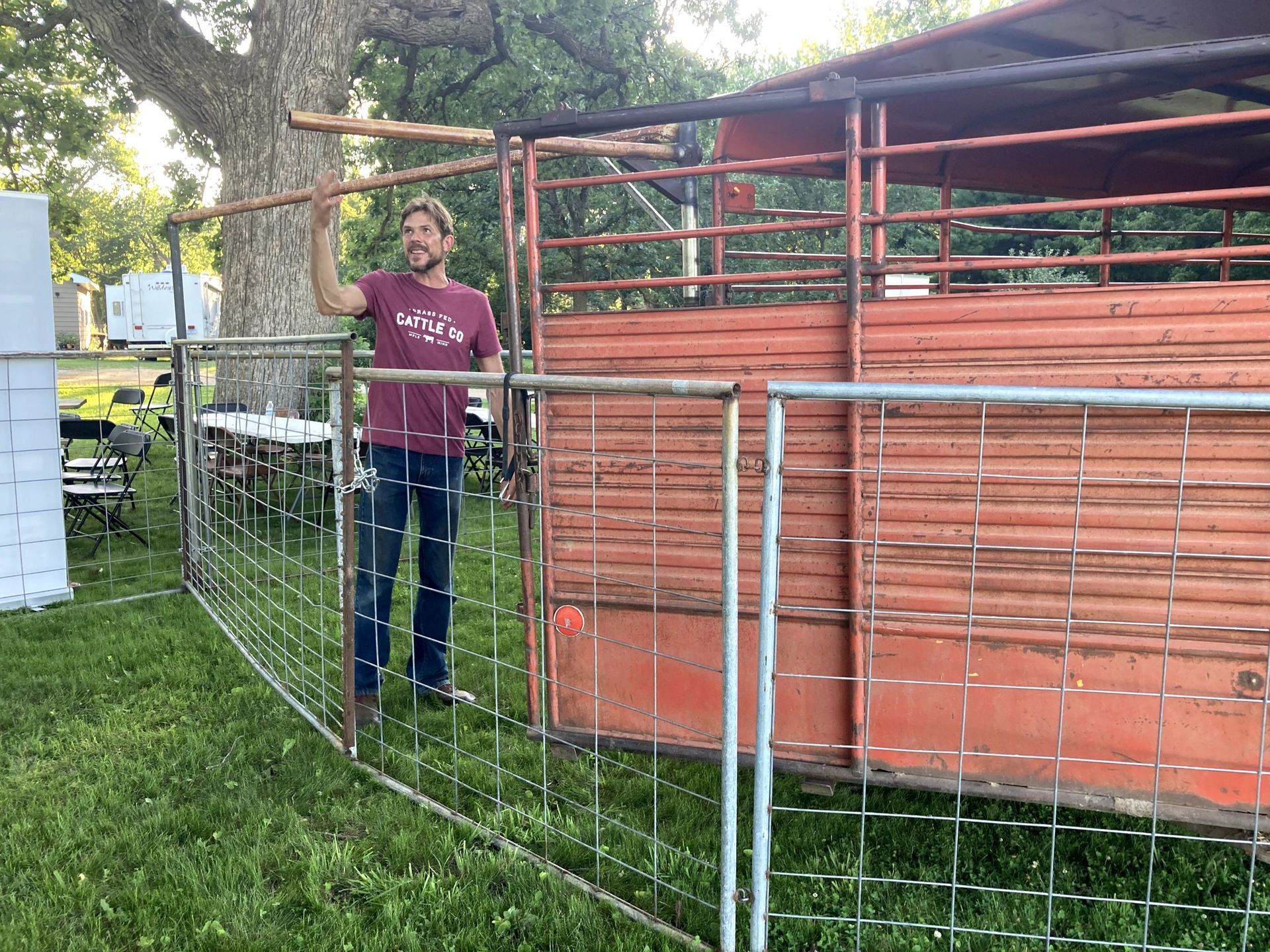
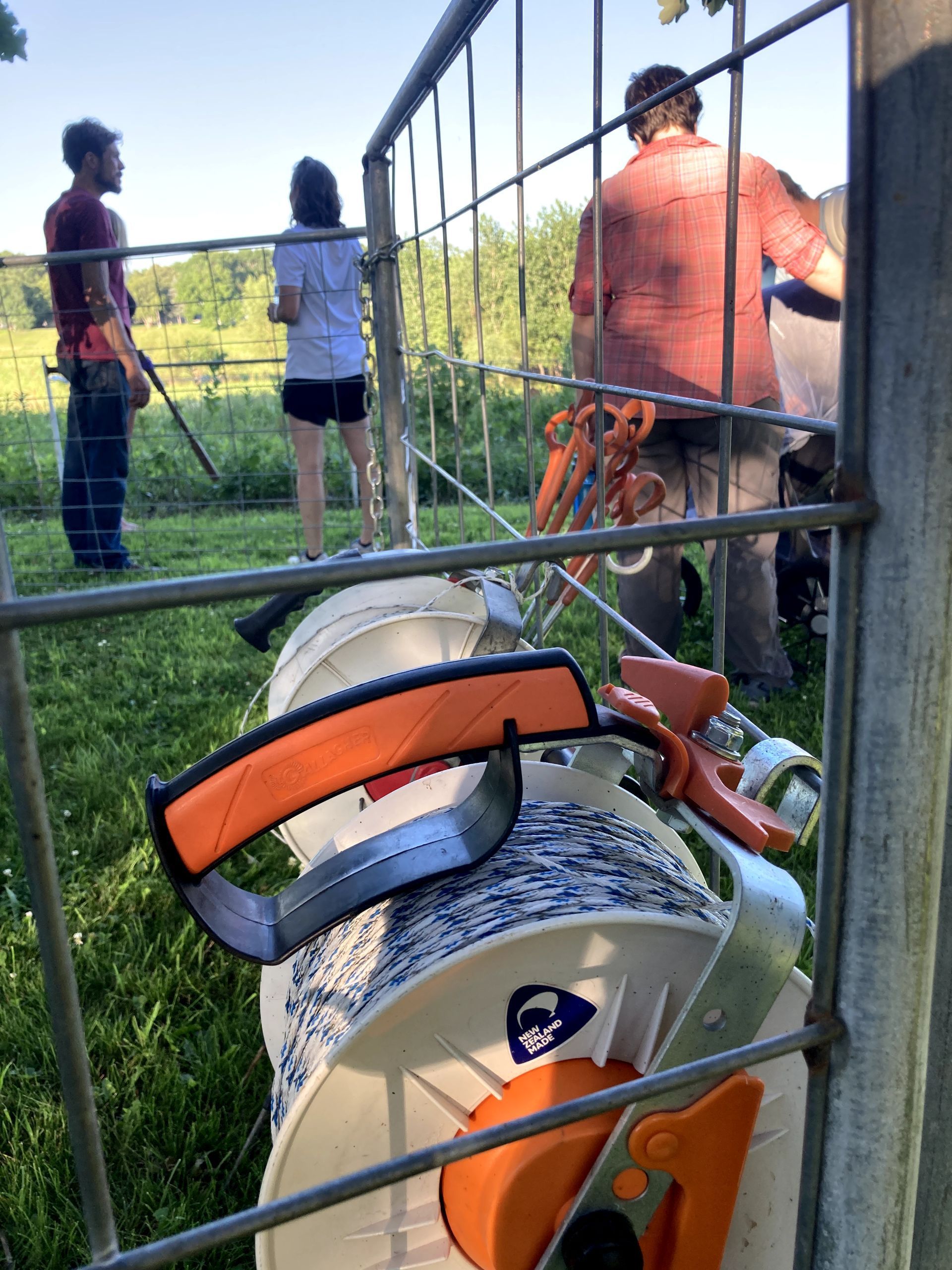
Walking through the pasture, participants watched the cattle respond to their virtual boundaries while Scott shared both the successes and lessons learned from adopting the technology. He also showcased his custom-built mobile cattle handling trailer and portable pen system, sparking conversations about practical ways to reduce labor and improve livestock handling.
The evening concluded with networking and questions as producers continued discussing ideas after the formal program had ended.
Despite the warm July temperatures, the beautiful setting, excellent food, and engaging conversations made for an enjoyable evening of learning. Events like this demonstrate the strength of Minnesota's grazing community—bringing together producers, conservation professionals, industry partners, and researchers to share ideas and learn from one another.
MNGLCA extends a sincere thank you to Scott Hasse, Lisa Lindberg and Steve Kittleson, Hunter and The Amboy Cottage Café, Grass Fed Cattle Co., Nofence, NRCS, Green Lands Blue Waters, and everyone who attended for making the evening such a success.
Recent Articles