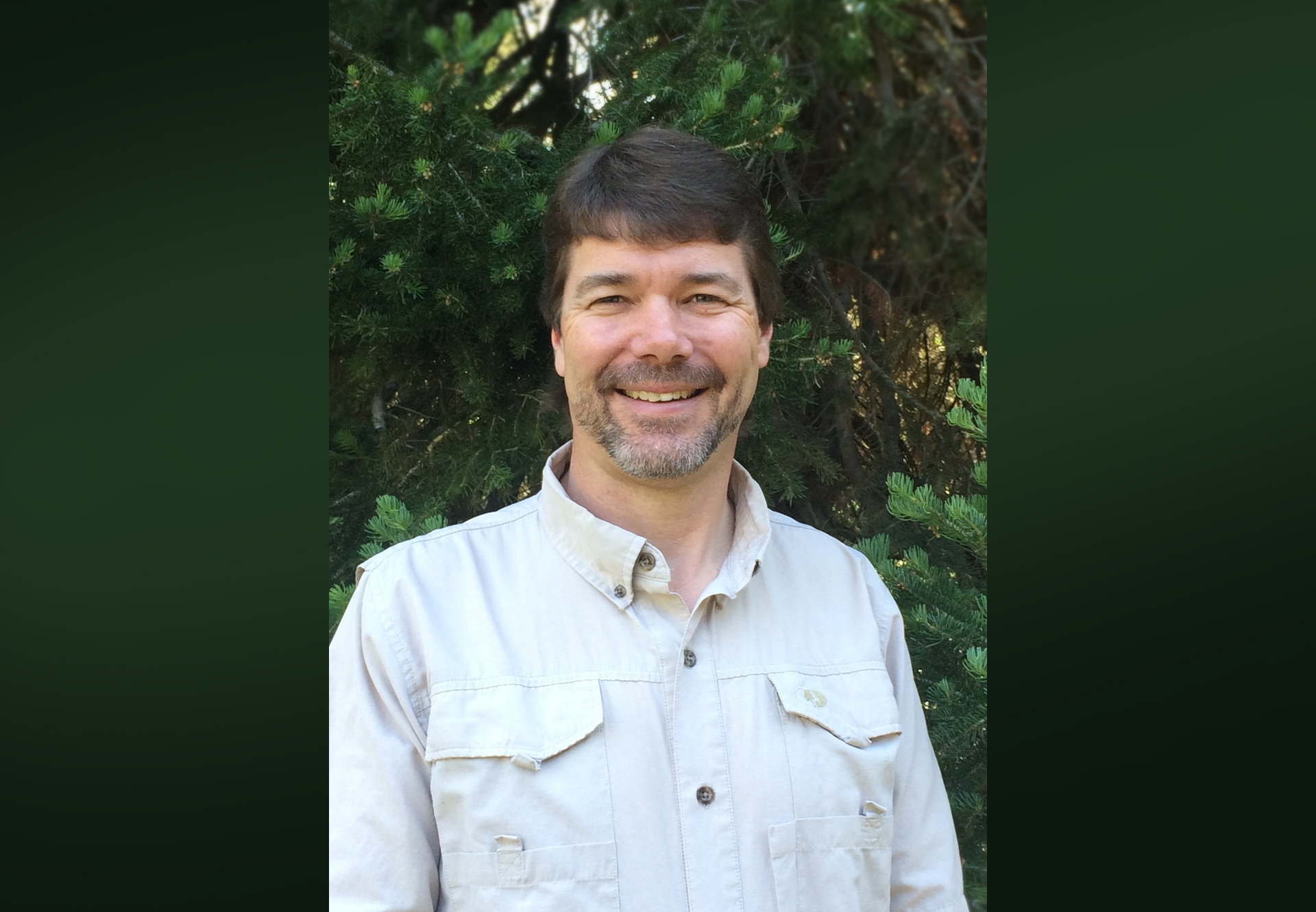
The Minnesota Farmers Union did an excellent write-up on MNGLCA board member Tarah Young, and we’re grateful for the opportunity to reshare it here. Thank you to the MN Farmers Union for such a thoughtful spotlight on Tarah’s work supporting graziers and farmers across northern Minnesota.
posted on 10/8/25
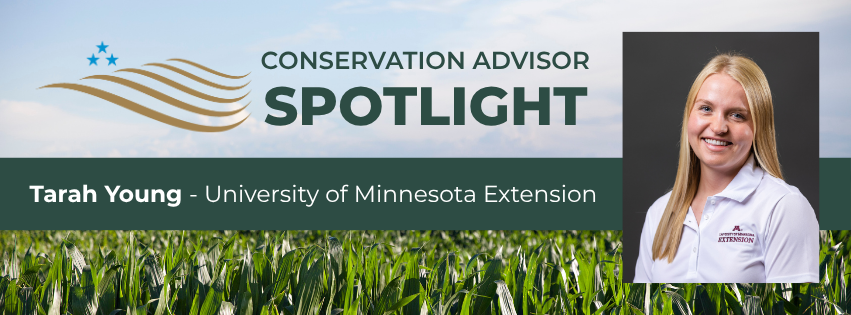
Conservation Advisor Spotlight: Tarah Young
Name: Tarah Young
Roles: Ag, Horticulture, and Natural Resources Extension Educator at University of Minnesota
Board member of the Minnesota Grazing Lands Conservation Association
Location: Hubbard County Contact: tarahy@umn.edu or 763-688-139
What counties are you working in?
I work in Hubbard County but there’s a lot of flexibility there. Hubbard County pays for my position, but because I don’t have a lot of people in my area, it’s kind of a regional thing. I’ve gone to Thief River Falls, Brainerd, Duluth and much of northern Minnesota.
How does your role with Extension fit with your role as a board member for Minnesota Grazing Lands Conservation Association?
The priorities are similar, so they align really well with each other. With extension, I provide research and outreach to graziers, and it’s a nice synergy because the mission of the MNGLCA is to bring research to and connect with graziers.
What are your areas of expertise?
Definitely grazing and forage production, those are my passions. But I also really like homesteading, being self-sufficient, canning, and gardening. My position with Extension is good for me because I have so many interests.
I’m a plant person who went to school for agronomy, and I have a master's in plant science from the University of Minnesota, but it’s funny how many topics lead back to the soil. It’s a big cycle and everything is interconnected, so everything I’ve learned is applicable to livestock too.
What does it look like for a farmer to start working together with you?
Usually a farmer calls me on the phone. Some hear about me from a neighbor, or they get my card from an outreach event, so there’s been different avenues of connection. Each conversation I have with farmers is different because I work with beginning farmers who will call and say “I don't know what I’m doing and need direction”, and I also work with people who have been farming for generations and need answers to the more technical questions.
When I go out to somebody’s farm, usually by that point we’ve spent hours talking on the phone. Depending on what they've shared with me during our time, I go and visit what we've talked about. I like to see how their cover crop is doing, or if I’ve given some paddock design suggestions, I’ll look at their pasture. Usually we’re standing outside, and somehow it always seems to rain when I do site visits. Then usually we end up in the tractor shed to continue talking, and by that point I might meet their family and kids after they come home from school.
It tends to kind of morph into that more personal relationship, and if I see them at the hardware store I say hi. That’s what has helped me gain trust with producers because I didn’t grow up in this community. It has taken time because building trust is a long process, but it’s sort of exponential once it happens. Now they’re spreading my name around town which is much easier for me because now they know I’m here to help.
What are the benefits for a producer working with you?
It’s literally customized advice. You’re talking with a consultant that has resources. I can’t know everything, but I’ve been in this role long enough that I know and work with a lot of smart people, so I know the best person to ask questions to instead of just getting a generic answer.
Phone calls and site visits are free, and I can sometimes even go outside Hubbard County to do visits. You can take advantage of it in so many different ways, and I’m aware of the whole gambit of how people learn like reading or watching videos on YouTube. I’m trying to reach everyone in the way they learn best with site visits and programing.
What events to help producers have you been involved with?
As part of my work with MNGLCA I was involved in the GrazeHer conference for women graziers, and I was also part of a panel at the Women in Agriculture conference which is held every February in St. Cloud. These events are geared towards women to help them with their specific employment, mental health and communication issues in agriculture. At first I thought it was so silly because I wondered “what do women have different than men?”, but boy I was proven wrong!
During our hour and a half panel, we got lots of questions and comments from people. One woman shared about how a man she talked on the phone with only wanted to speak to her husband, but she was the one managing the farm. Another woman asked about how to influence her grandpa to farm differently after doing it the same for decades. It has been enlightening for me to learn about the specific challenges that women have in this field. The topics that come up tend to be more relational then technical, and there are different skill sets that women can have to be successful in this field. So these events around women and agriculture have been a really awesome part of my work with MNGLCA.
What do you want a farmer to know before you visit with them?
I want farmers to know that everyone is in the same boat. We’re all dealing with different weather challenges and economic and market challenges, so we’re all in it together. I want them to be open to trying different things, but they don’t need to try everything. I have seen people grow in a very short amount of time when they are open to it. The resistance that people have sets them back compared their neighbors by being a later adopter. They can save a lot of headaches if they are more open.
Recent Articles