Grazer Spotlight:
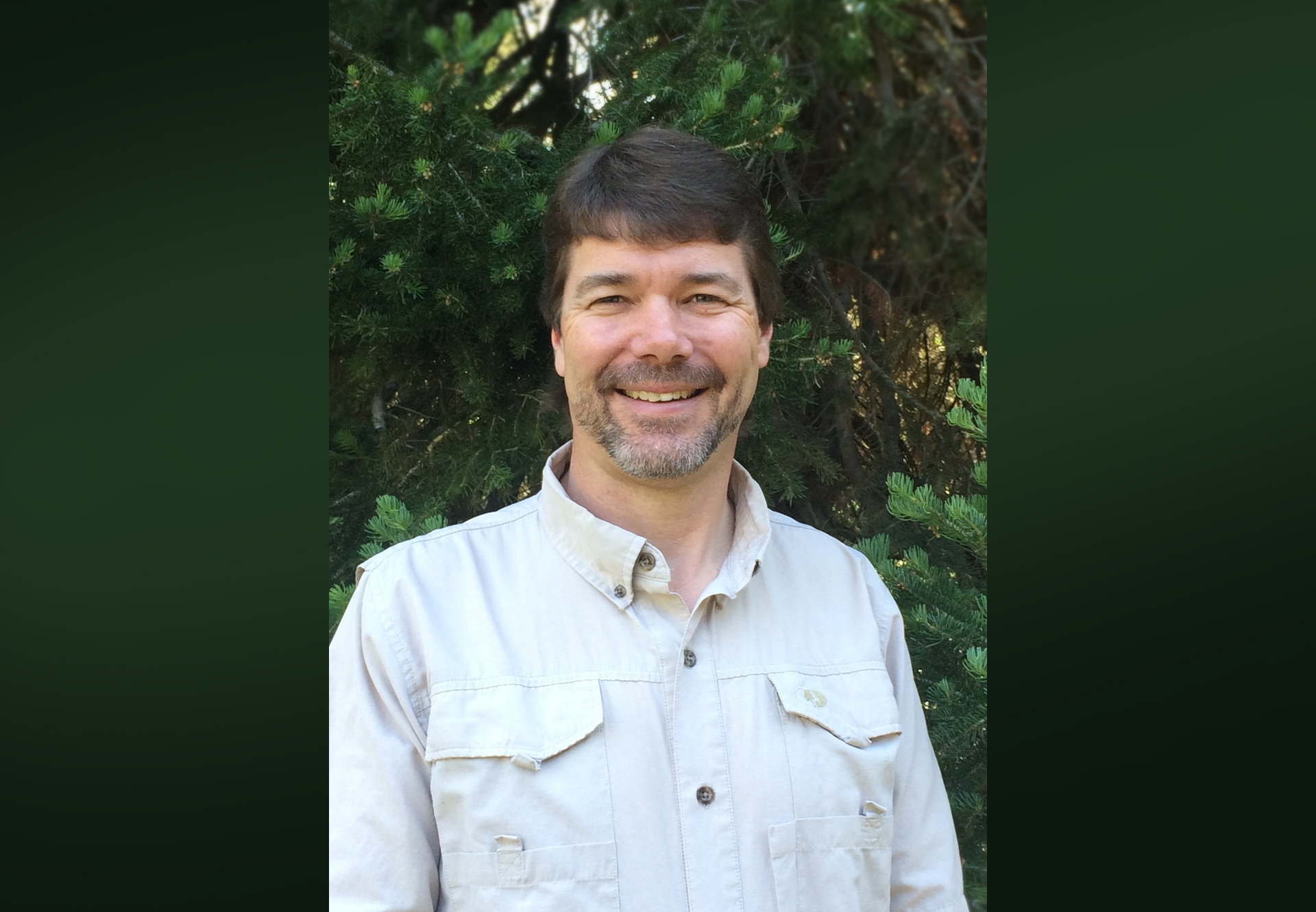
Jerry Ford - Living Song Farm | Howard Lake
published on 1/7/26
Living Song Farm has been in Jerry Ford’s wife’s family since 1898, making it a fourth-generation operation. When Jerry and his wife came to the farm in 2002, they inherited not just land but a legacy of stewardship. “I like to think of myself as a conservationist at heart,” Jerry says. “I love farming, but I also love nature. Our goal is to leave this place in better shape for the next generation.” Today, three generations are actively working on balancing conservation with a productive farm, integrating thoughtful land management and income opportunities to keep the farm viable.
Jerry’s connection to the land is rooted in both personal and family history. His wife grew up on the farm, and he met her while living in Texas, where he was working as a college professor. “I didn’t even know she would inherit the farm when I asked her to marry me,” he recalls with a laugh. “But when I visited the farm during Christmas break, I fell in love with the land and her family. It just felt right.” After years in Texas, including navigating the upheaval of a hurricane, Jerry and his wife returned to Minnesota in 2002, committed to caring for the land and building a sustainable farm business that could support future generations.
Conservation and Land Stewardship
Much of Living Song Farm’s early land management reflected the practices of Jerry’s father-in-law, Willard, who farmed into his 90s. Willard was a subsistence farmer at heart, raising dairy cows and crops mainly to feed his family, though he did sell excess produce. He also had a lifelong commitment to conservation, serving on the Wright County Soil & Water Conservation District board for 42 years and helping establish the county’s park system. Jerry credits Willard’s ethic and example with shaping the conservation-first mindset he and his family continue today.
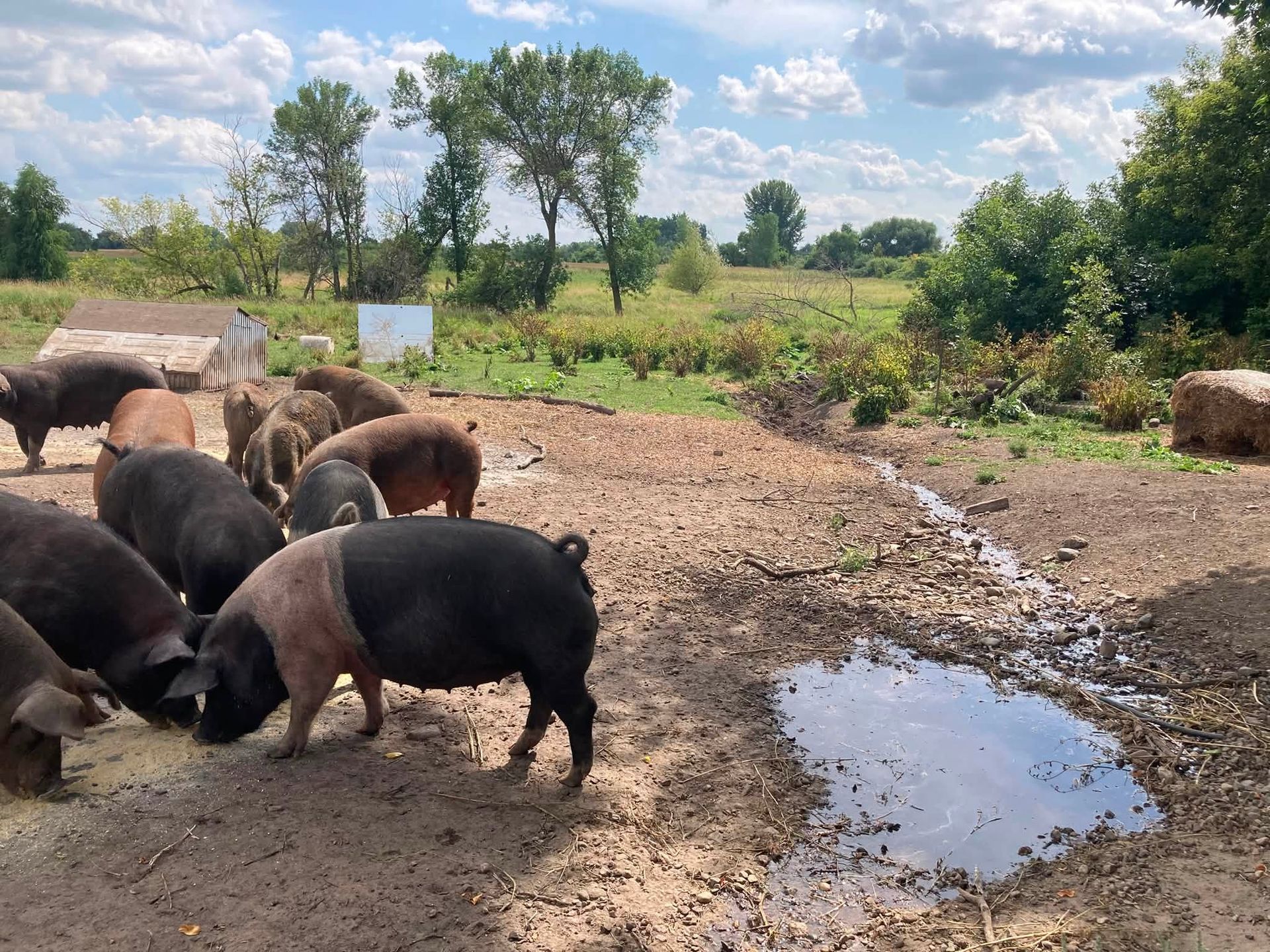
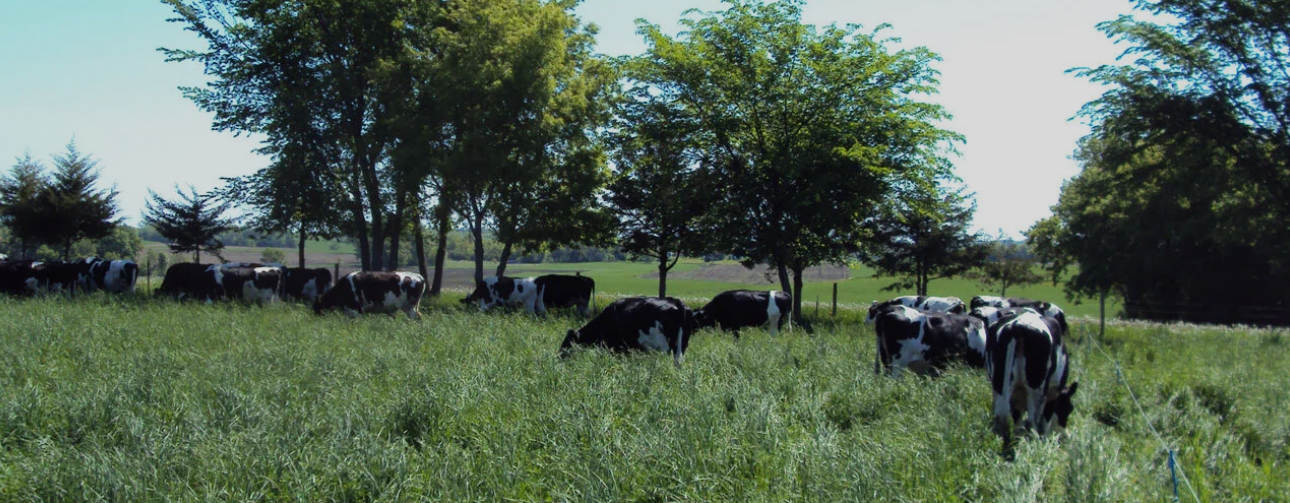
The farm participates in conservation programs like the Conservation Stewardship Program (CSP), and Jerry has worked closely with renters who manage land in line with these principles, including cover cropping and rotational grazing. “It’s a privilege to see the land improve, to have good people caring for it,” he says. “When we walk our pastures now, the difference is remarkable,” Jerry explains. “We’ve got 42 acres of permanent pasture with fencing, cover crops on rented land, and over 30 acres of untouched woodlands. The land is healthy, the soils rich, and even small streams are cleaner because of the practices we follow.”
Jerry’s own conservation ethic is informed by a lifetime of experiences. A former backpacker and supporter of The Nature Conservancy, he has long valued protecting wild lands while balancing agricultural production. He recalls trips to Big Bend National Park in Texas, where ranching and conservation coexist, and how that experience shaped his thinking about land stewardship. “I realized early on that agriculture and conservation don’t have to be in conflict. They can support each other if you plan thoughtfully and work with the land, not against it.”
Grazing and Its Lessons
Grazing forms the foundation of Living Song Farm’s beef operation. For Jerry, it’s as much about the land as it is about the animals. “Managed grazing has taught me patience and observation,” he says. “You can’t take everything off the pasture. Leaving cover for soil, water, and future growth changes how you see the farm.” Even small lessons—like adjusting goat grazing plans or learning to leave a third of the forage behind—have reshaped their approach to both land and livestock management.
Jerry credits local community and technical support for helping him refine these practices. NRCS technicians, pasture walks, and field days have offered practical insights that complement his own experimentation. “I didn’t have to unlearn bad habits,” he says. “I came in already valuing conservation, but having a community to learn from has made such a difference.”
Community and Belonging
Being part of the Minnesota Grazing Lands Conservation Association (MNGLCA) has been valuable for Jerry. “The organization connects you with others who are doing the work, asking similar questions, and learning from each other,” he says. From field days to grazing events, Jerry values the shared experiences that reinforce both best practices and confidence in decision-making. “Even with decades of farming in the family, having that community nudges you to think differently and try new things.”
Jerry also collaborates with other sustainable agriculture organizations, including the Land Stewardship Project and the Sustainable Farming Association, participating in events that bring together farmers, educators, and conservationists. “It’s about finding your niche, connecting with others, and learning how to make grazing and conservation work for your farm,” he explains.
Wisdom for New Grazers
For those curious about grazing, Jerry emphasizes starting small and leaning on community. “Begin with MNGLCA or similar organizations. Observe, learn from others, and then adapt to your farm,” he advises. He finds hope in Minnesota’s growing network of conservation-minded farmers. “The people willing to care for the land while raising livestock inspire me. That’s how we ensure grazing and stewardship continue into the future.”
Jerry also stresses flexibility and patience. “Even with all the planning, you learn as you go. Some years things work perfectly; other years you have to adjust. That’s the nature of farming. The key is to start, observe, and adapt.”
A Legacy of Care
Ultimately, Jerry hopes people remember Living Song Farm as a place where careful management and respect for nature go hand in hand. “We see the farm as being loaned to us,” he says. “Our role is to steward it wisely so the next generation can carry it forward. Every pasture, woodland, and stream is an opportunity to do the right thing—for the land and the community that will come after us.”
Recent Articles