Grazer Spotlight:
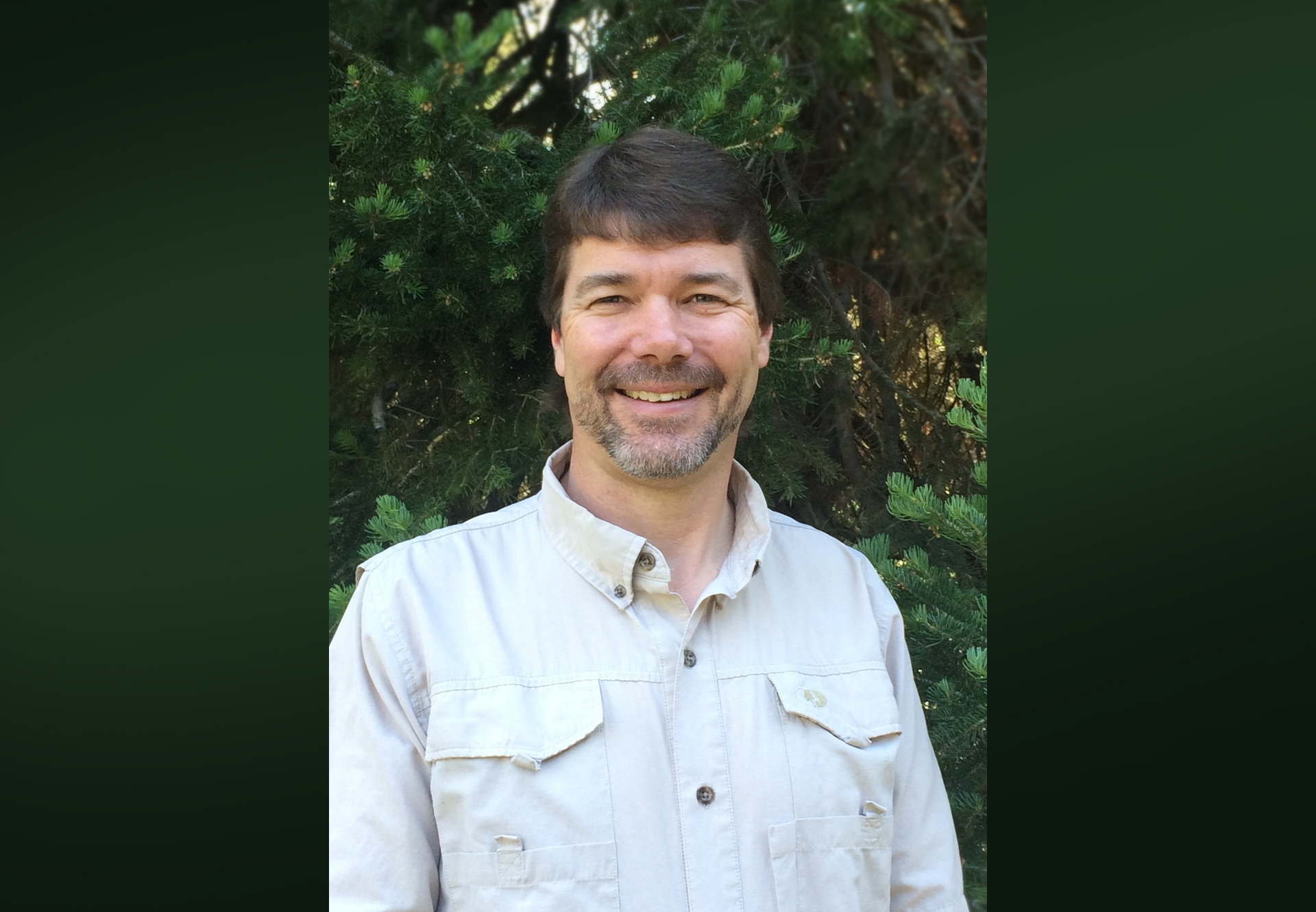
Peter Desens, Goldenrust Farm | Eyota, MN
published on 1/14/26
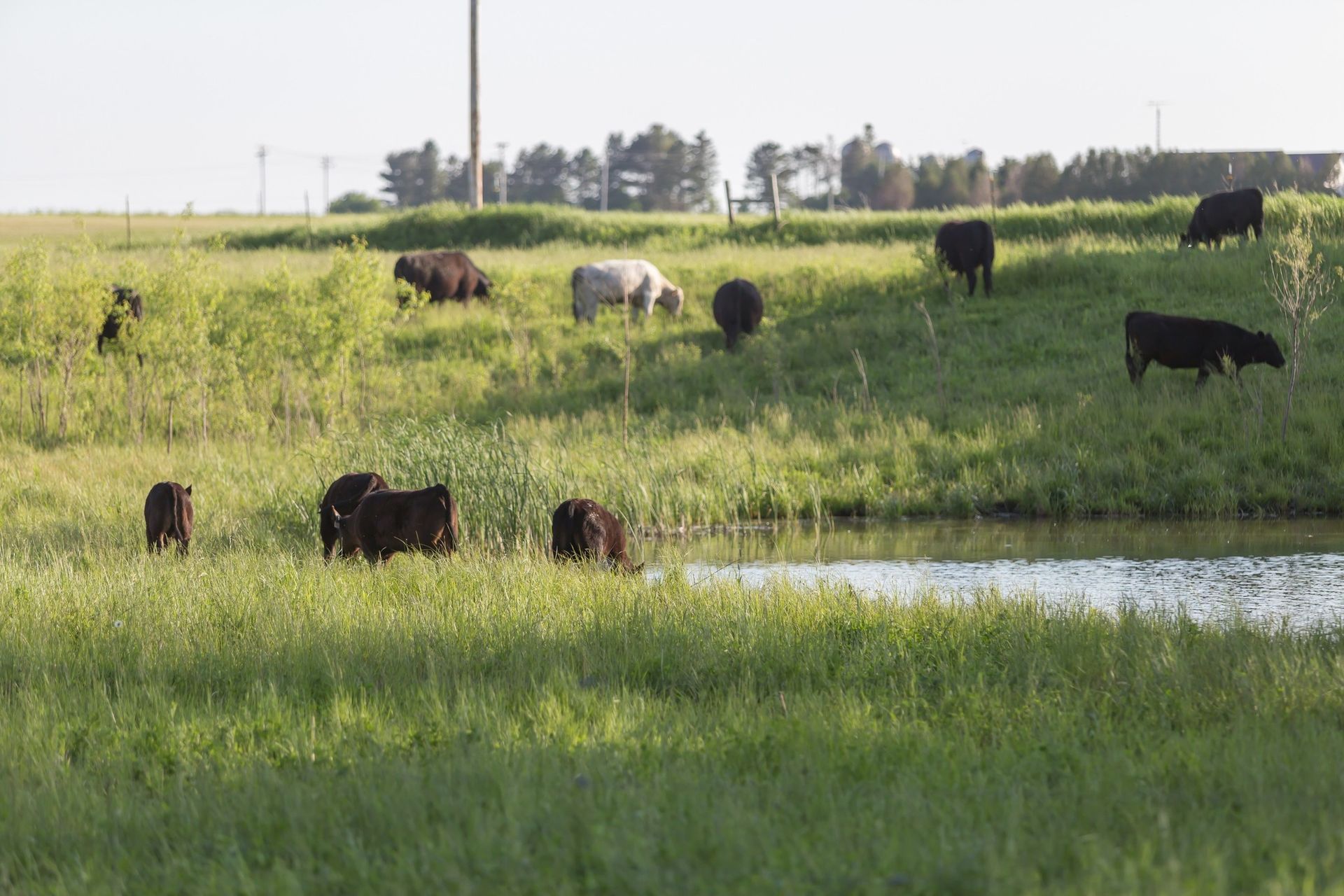
Goldenrust Farm sits just outside Eyota in southeast Minnesota, where Peter Desens and his family raise a diversified mix of livestock and crops with a clear focus on soil health. Since purchasing their farm in 2011, Peter and his wife have steadily implemented regenerative practices—including rotational and bale grazing, pasture improvements, cover crop grazing, and even a bee lawn—all while balancing off-farm work and raising three kids.
“At the beginning, we always knew we would have cows,” Peter says. “I grew up on a dairy farm, my wife grew up on a beef farm. We wanted a cow–calf operation and to raise our kids around livestock.”
Grazing for Flexibility and Family
For Peter, grazing wasn’t just about forage—it was about time.
With an off-farm job and a young family, the flexibility grazing provides became one of its biggest benefits. “It allows me to take care of the cattle and still have time with my kids and family,” he explains. “I can set up fence a few days in advance when I have more time, and then it only takes a few minutes a day to manage. In a feedlot situation, daily chores can easily take up an hour of your time, plus the cost to run the tractor.”
That flexibility has also opened the door for his kids to be part of the operation. “The kids can help, and it doesn’t feel rushed,” Peter says.
Learning by Doing
Goldenrust Farm has been grazing cover crops and crop residues for several years, but Peter describes his approach as evolving and adaptive. More recently, he’s been experimenting with grazing a corn silage pile directly in the field.
“I’m part of a grazing group in Olmsted County, and one of the members was grazing a sweet corn silage pile,” Peter recalls. “I remember thinking, ‘Why can’t I do that with my corn silage?’ It just made sense—cheaper to feed out and soil health benefits on my land.”
Using polywire and T-posts set parallel to the silage pile, Peter and his family control access so cattle eat from the base of the pile a little at a time. “So far, it’s been working well,” he says. “You learn things as you go.”
These kinds of hands-on experiments, Peter says, are where real learning happens. “You can watch Youtube videos and read books—and those are helpful—but you have to actually try it on your own farm to see what works.”
Planning Over Infrastructure
One of the lessons Peter has learned is that new grazers often overestimate how much infrastructure they need—and underestimate the importance of planning.
“When people get started, they think they need a lot of fencing and materials,” he says. “But if you have calm cattle that you work with daily, a simple polywire setup can go a long way. The bigger challenge is the planning.”
Early on, Peter spent more time than necessary building permanent interior fencing. “I thought we’d have everything divided into paddocks right away,” he says. “Later I realized that investing in good perimeter fence and using temporary fence inside gives you way more flexibility to do what works for your land.”
Finding Community Through Soil Health
Peter and his wife came to grazing from slightly different perspectives—he focused on economics, while she was more motivated by ecology. What surprised them both was how soil health principles served both goals at the same time. "That’s really what pulled us in,” Peter says. “We were asking different questions but looking at them through the same lens.”
Their involvement with the Minnesota Soil Health Coalition led them to MNGLCA through a dual membership, and Peter credits in-person conversations and shared experiences as a key part of his learning. “Every year I try to attend events, and last year we even got to host a field day in the UofM Roots & Rotation series: Integrating Soil Health Principles into Grazing Practices,” he says. “Hearing from people who are actually doing it—and talking about family, challenges, and real life—makes a big difference.”
His advice to producers considering grazing?
“Just start,” Peter says. “Don’t overthink it. There are so many resources out there—videos, grants, books—but at some point, you have to do it and learn from your own experiences. Start small, observe what the cattle are doing, and adjust as you go.”
At Goldenrust Farm, that mindset—start, observe, adapt—continues to guide both the land and the family stewarding it.
Recent Articles