Hubbard Grazing Workshop
Strong Turnout and Strong Conversations
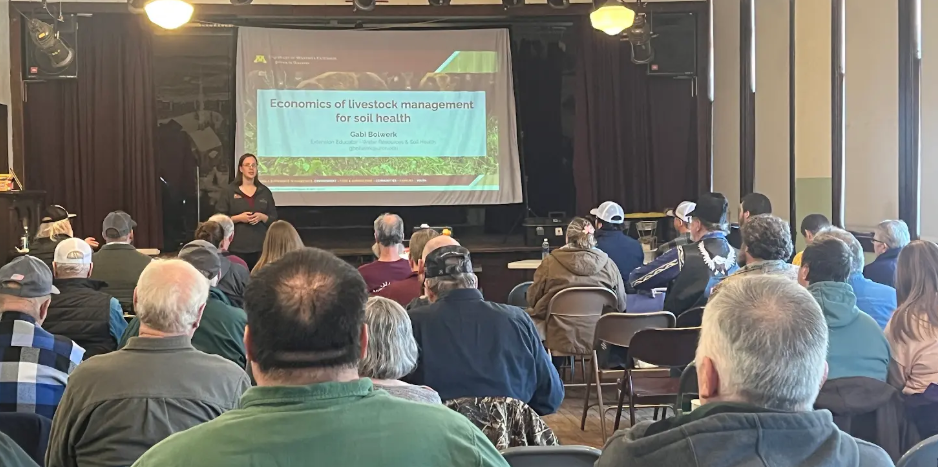
The Hubbard County Grazing Workshop, held February 6 at the Nary Community Center in Bemidji, brought together 47 farmers for a full day of learning, conversation, and connection — and thankfully, temperatures were far warmer than the -45° weather some of us remember from last winter.
With a strong mix of returning attendees and new faces, the energy in the room reflected both commitment and curiosity. From seasoned grazers refining their systems to producers exploring new practices, there was something for everyone.
Diverse Topics, Practical Takeaways
This year’s lineup of speakers offered a broad and practical range of perspectives:
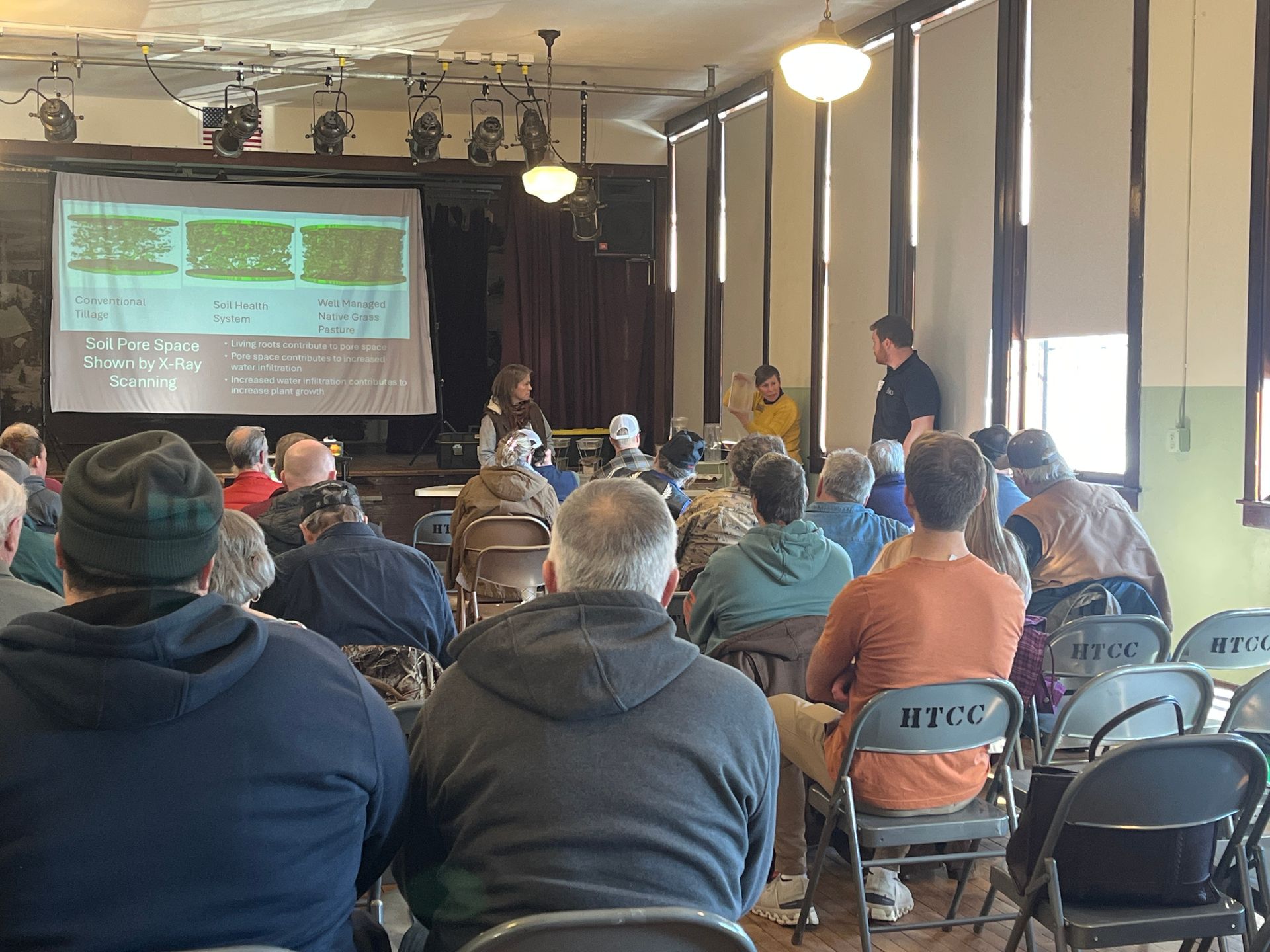
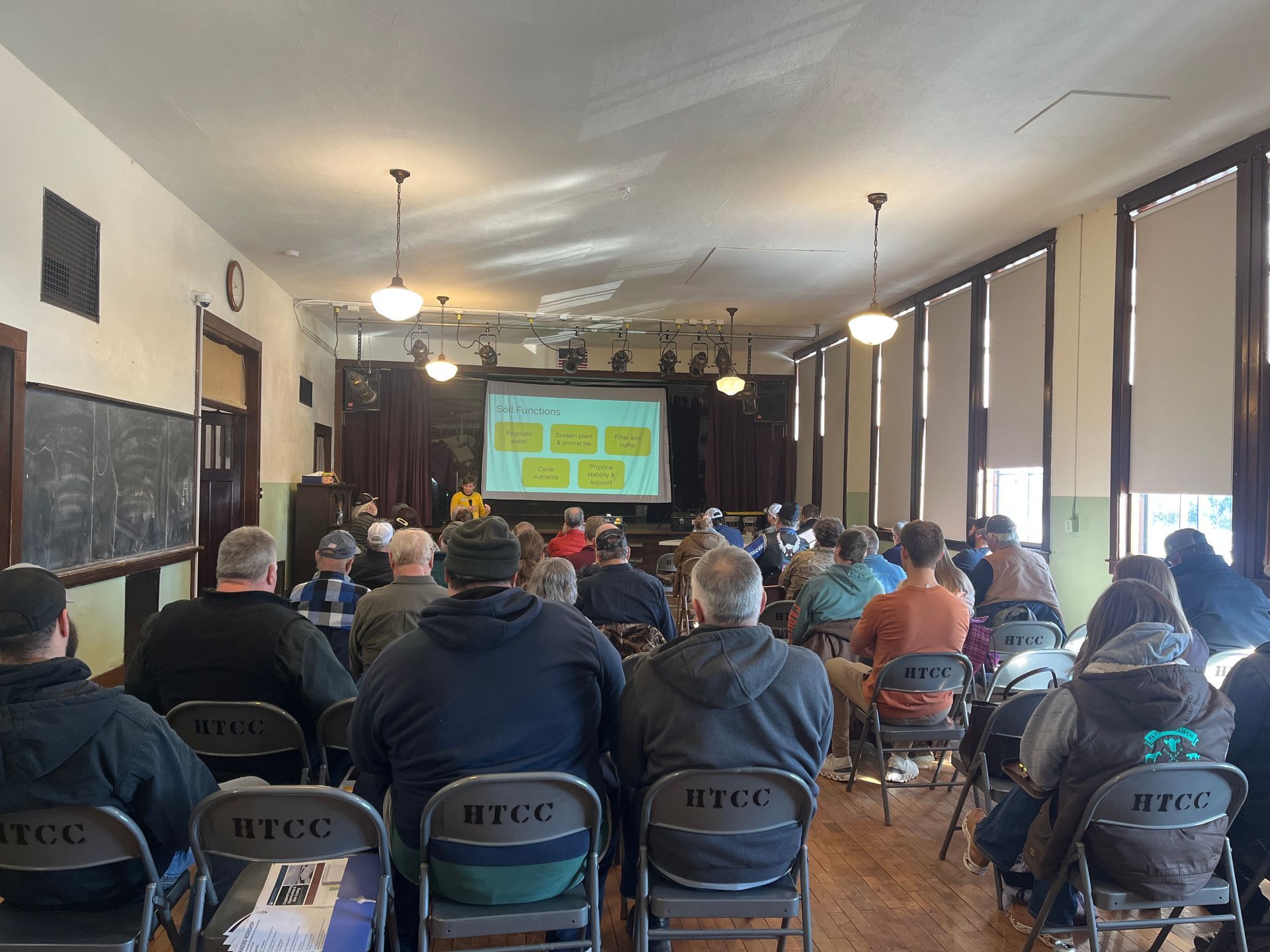
- Stephanie McLain opened the day with Soil Health in Grazing Systems, grounding the conversation in the principles that support resilient pastures and long-term productivity.
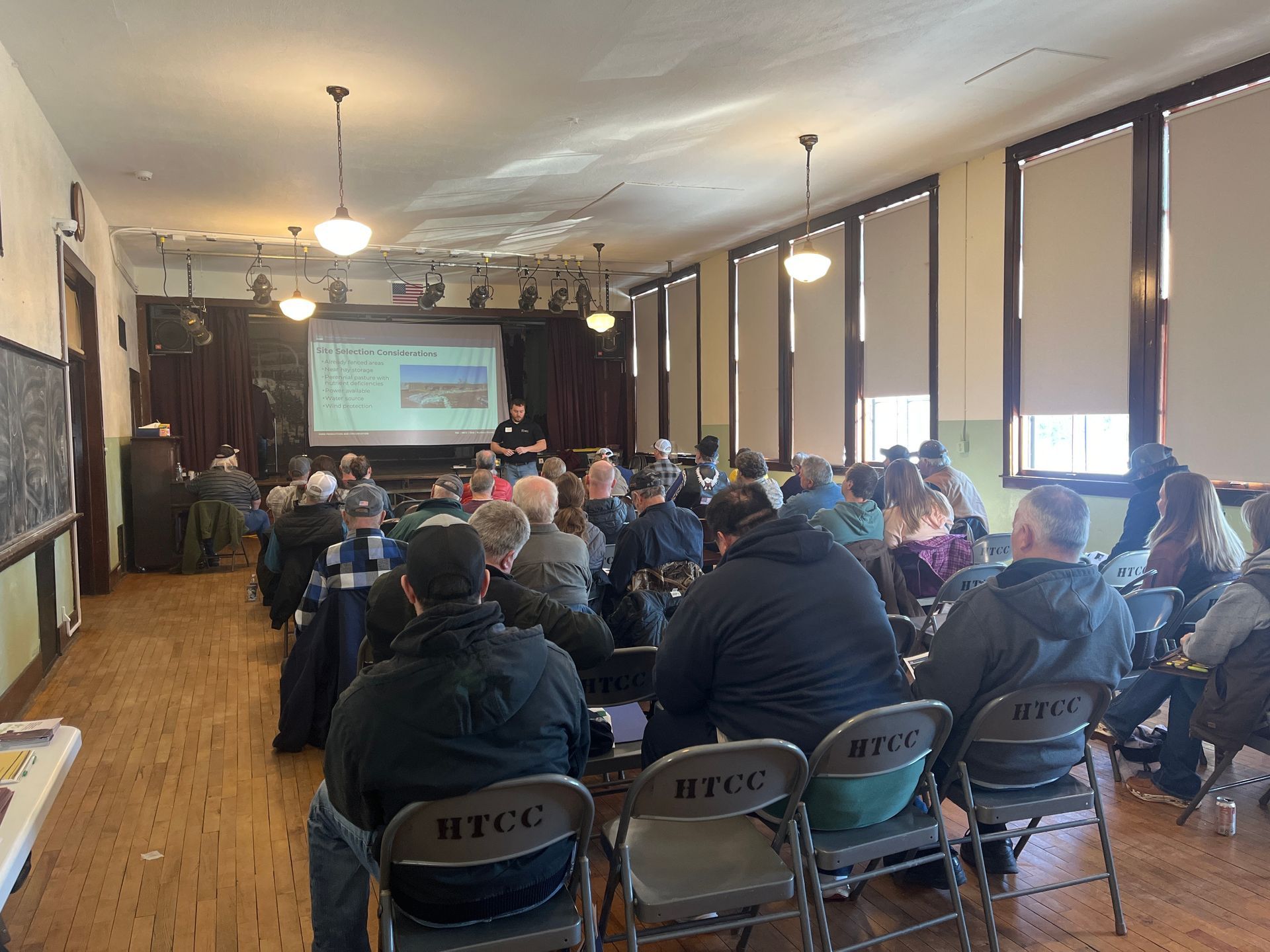
- Jace Stallman followed with a session on Bale Grazing, offering practical strategies producers can implement to improve winter feeding efficiency while building soil health.
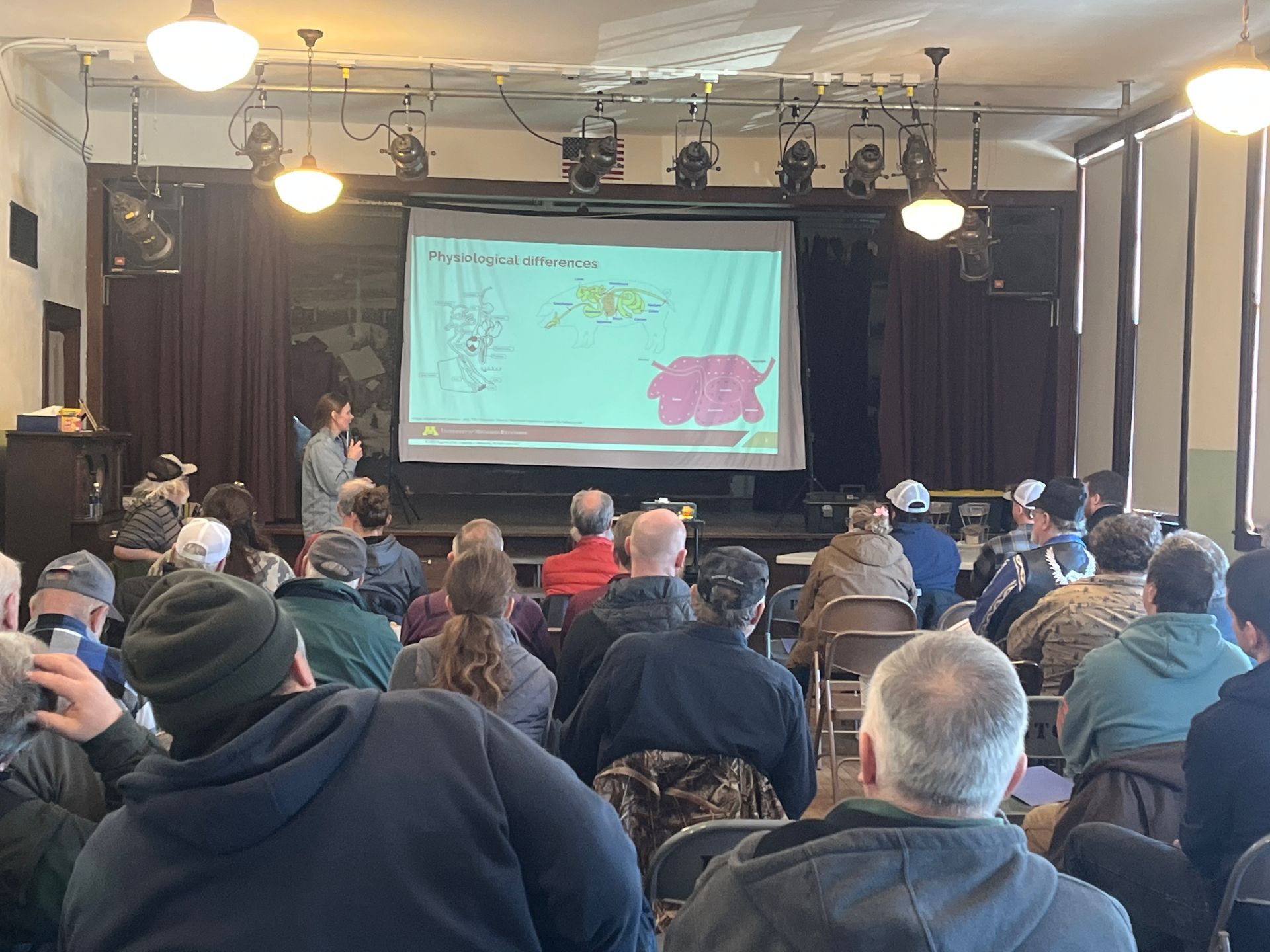
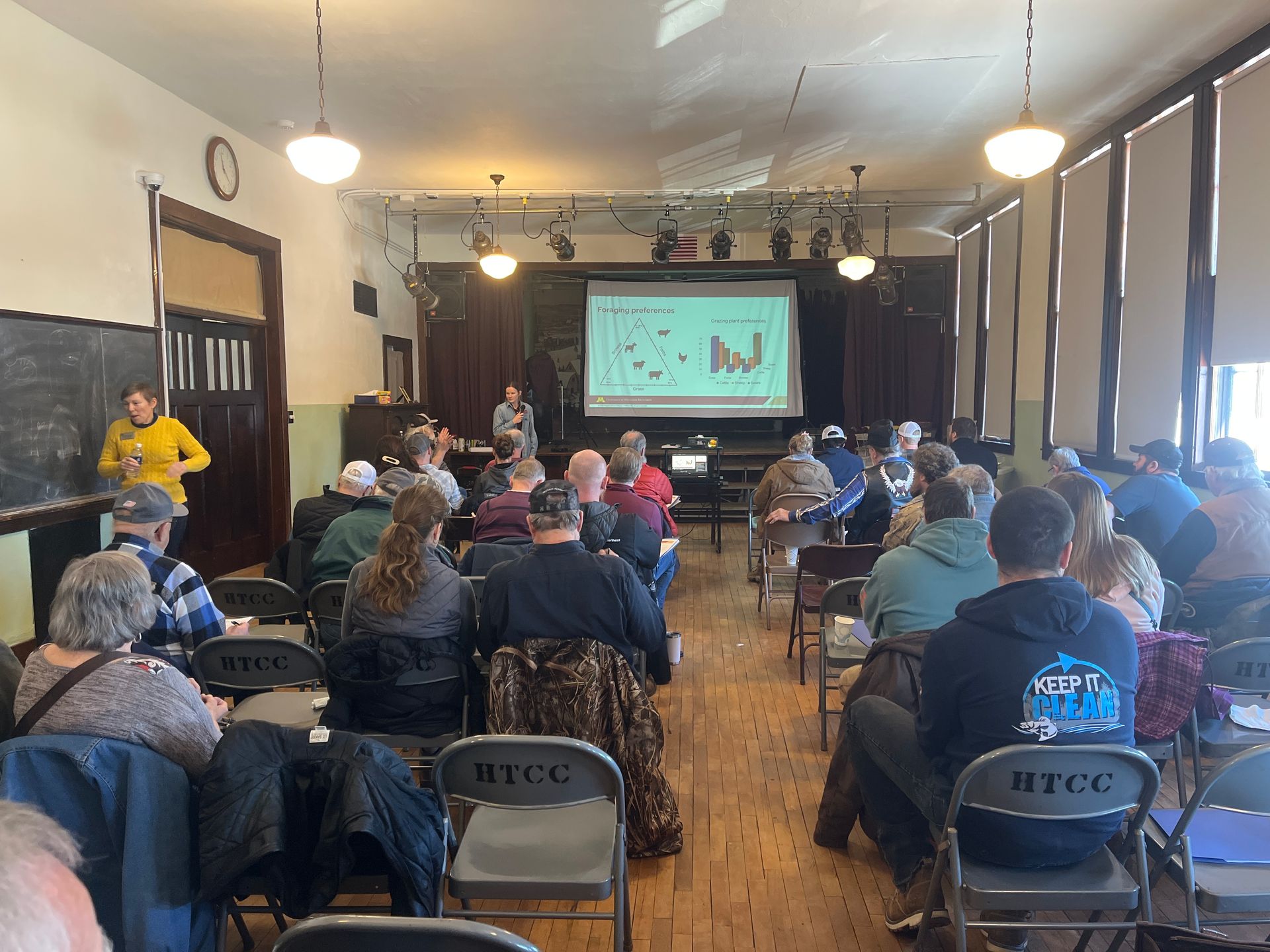
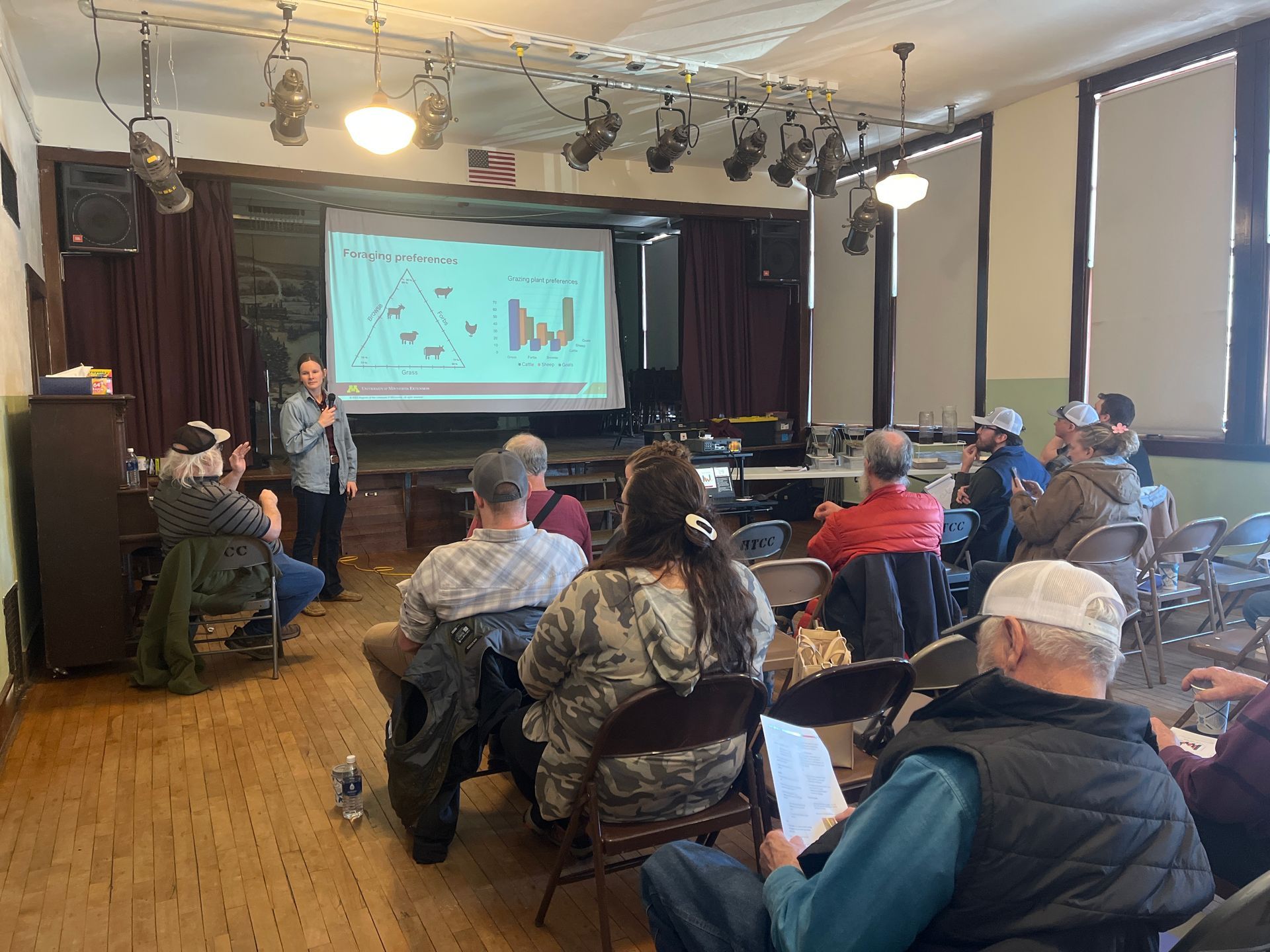
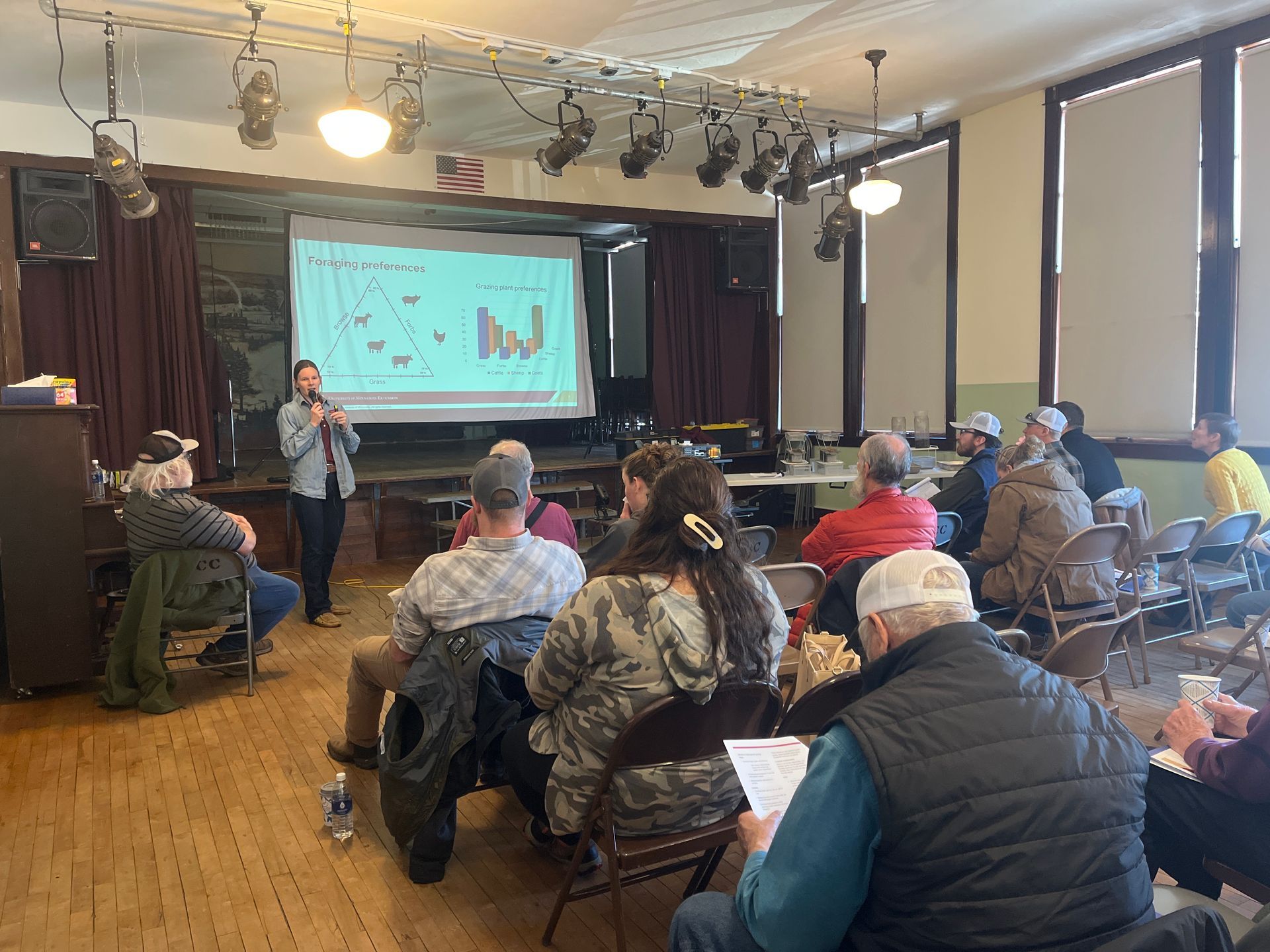
- Sabrina Florentino shared insights on Small Ruminant and Multi-Species Grazing, highlighting how integrating species can improve pasture utilization and overall system diversity.
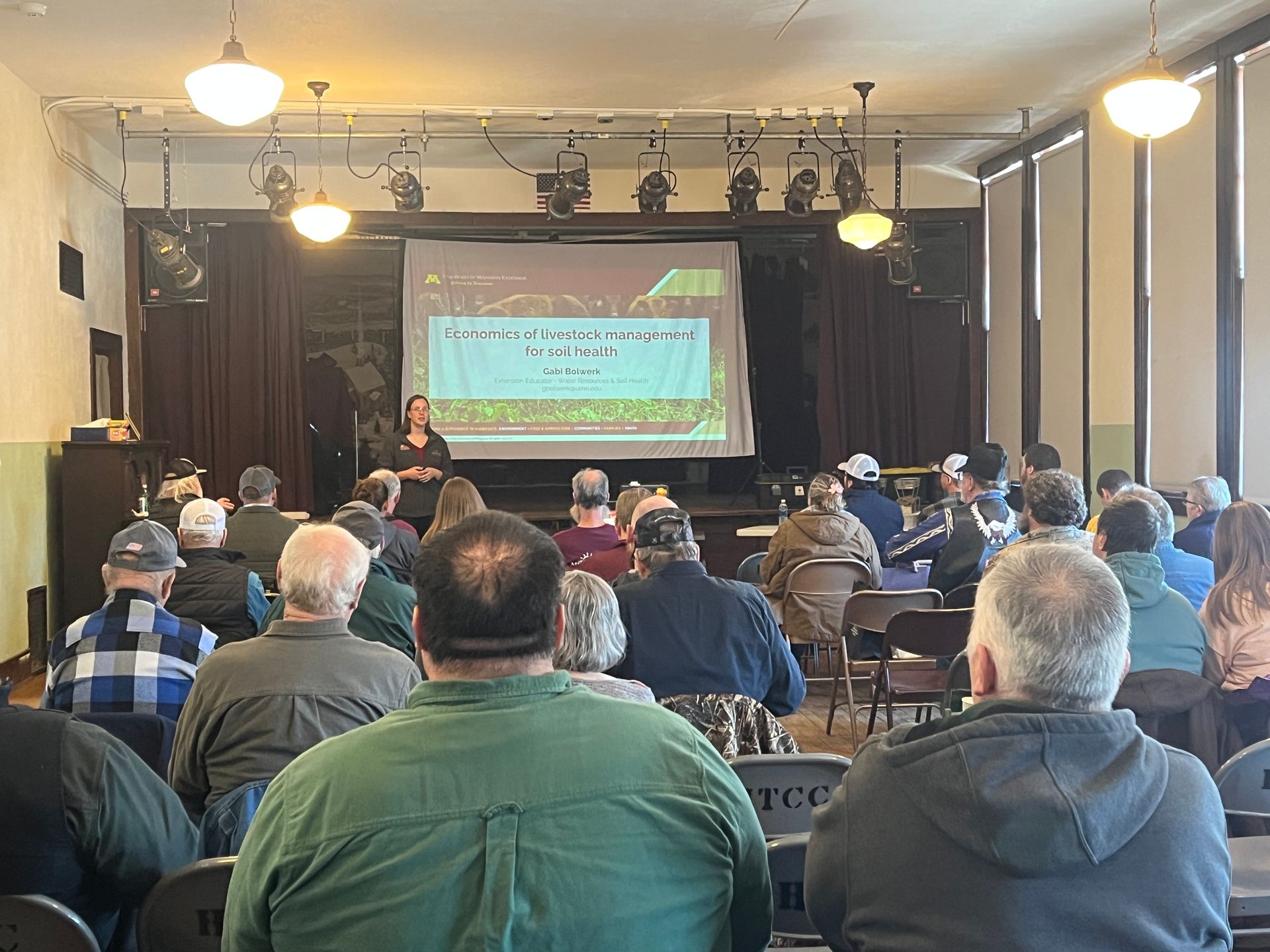
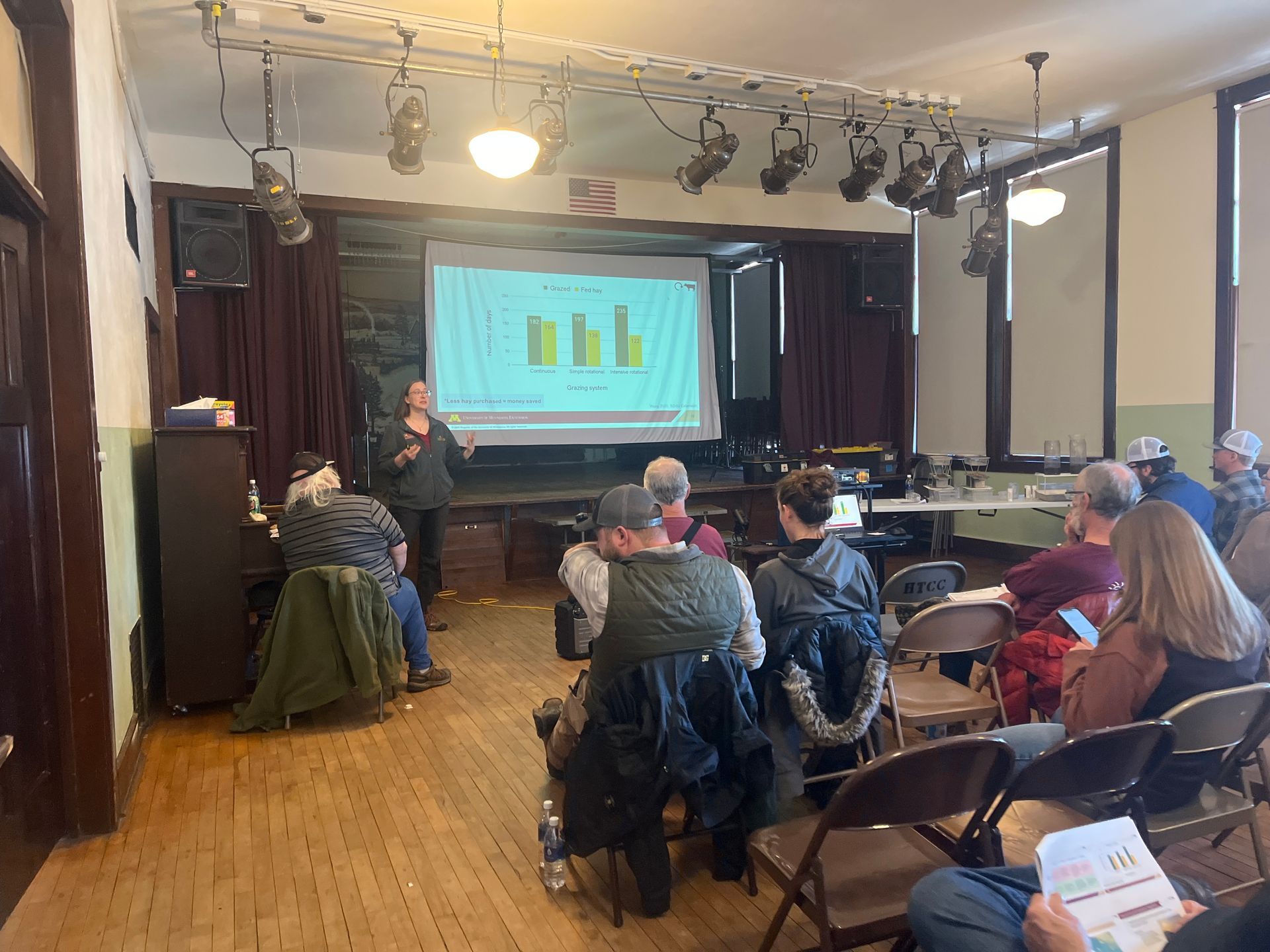
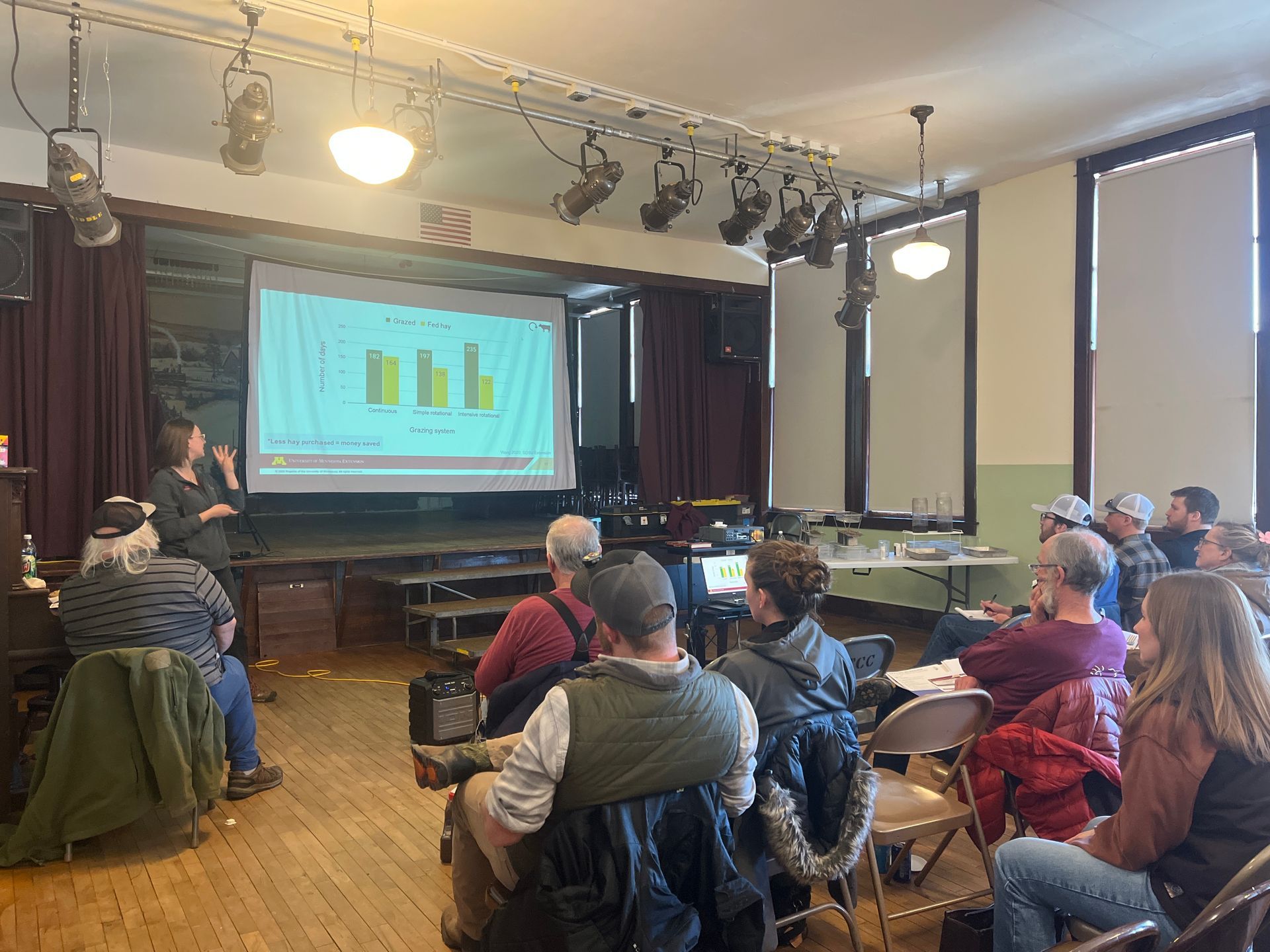
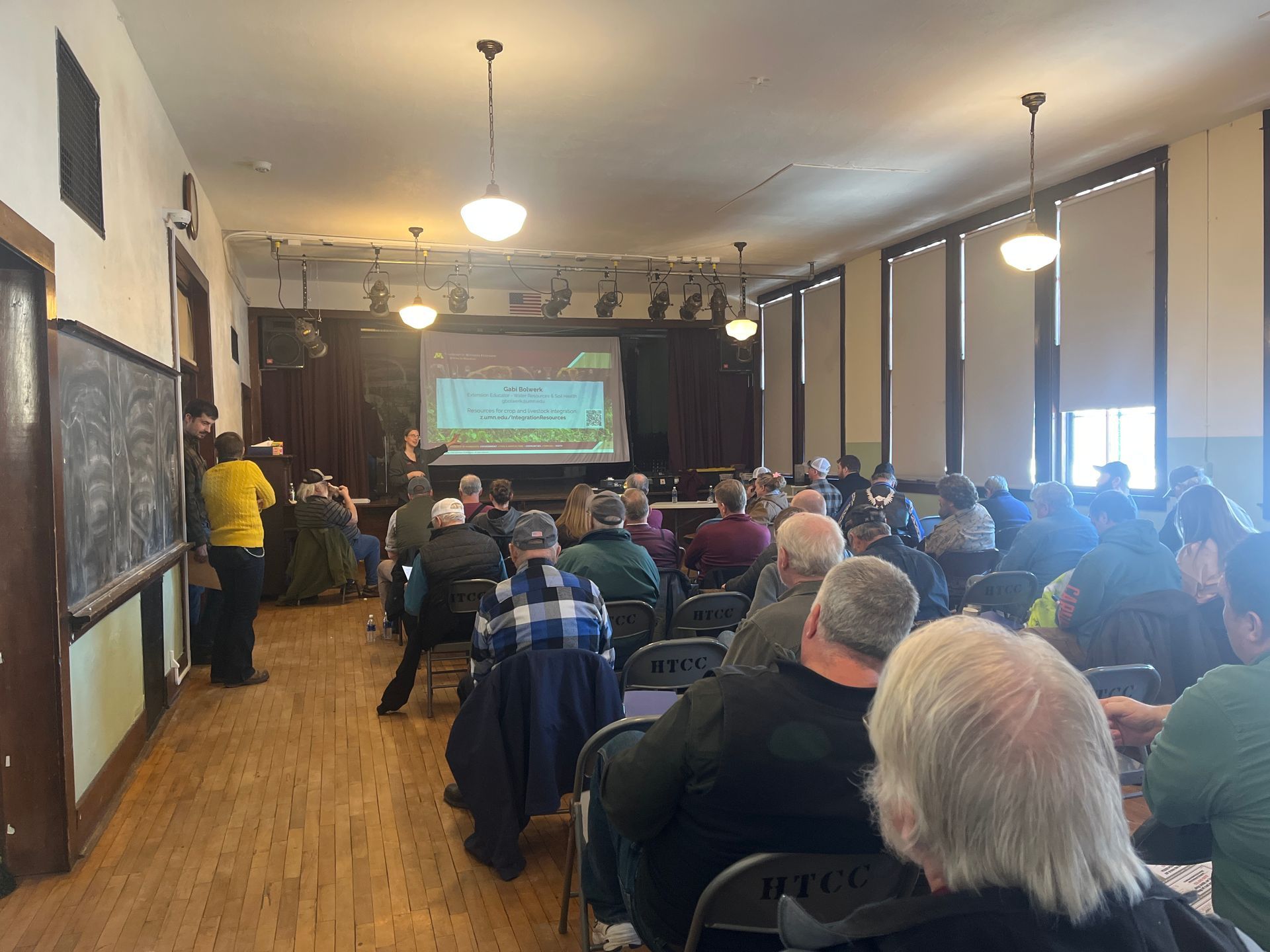
- After lunch, Gabi Bolwerk explored the Economics of Soil Health, helping producers connect conservation practices to real financial outcomes.
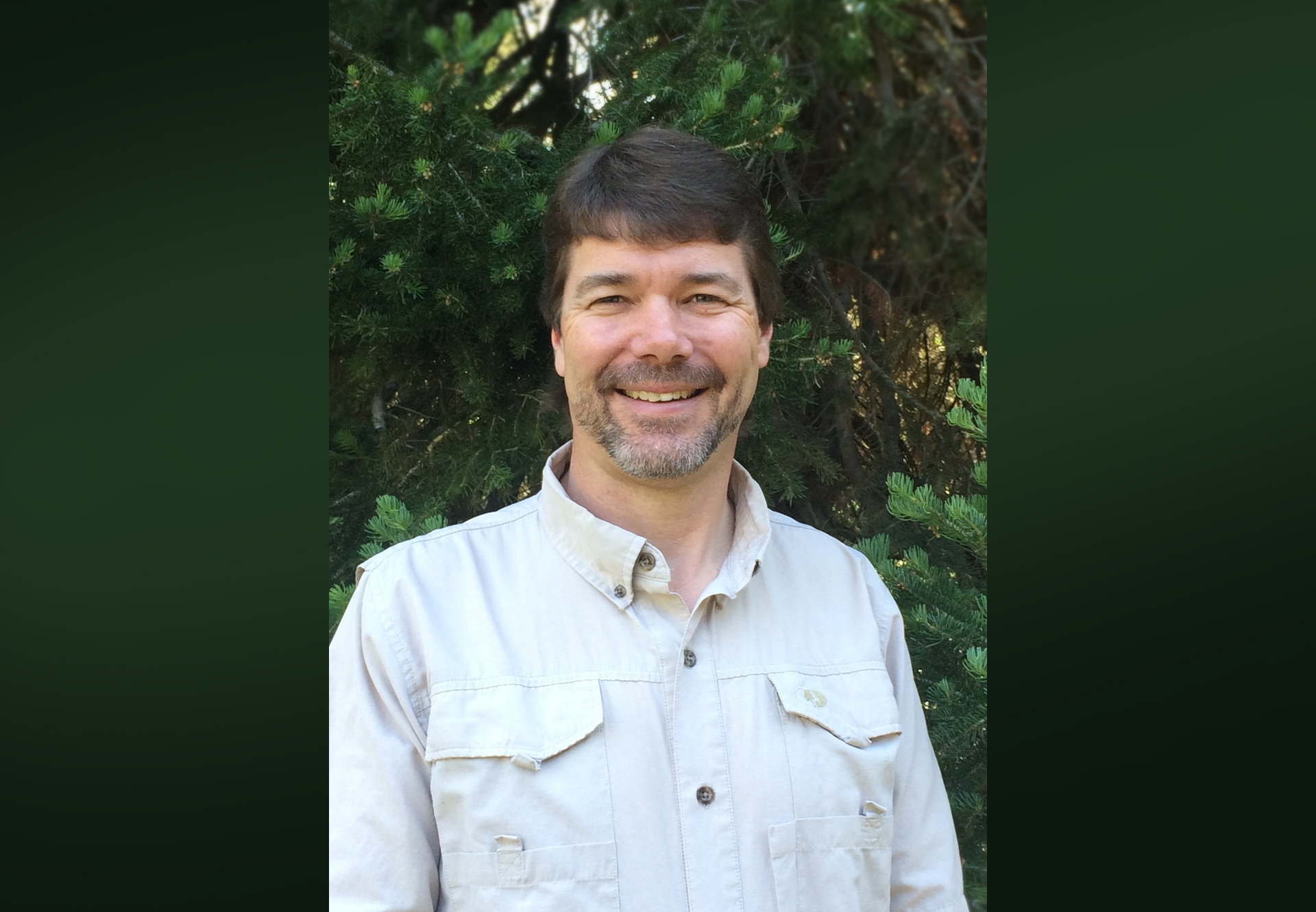
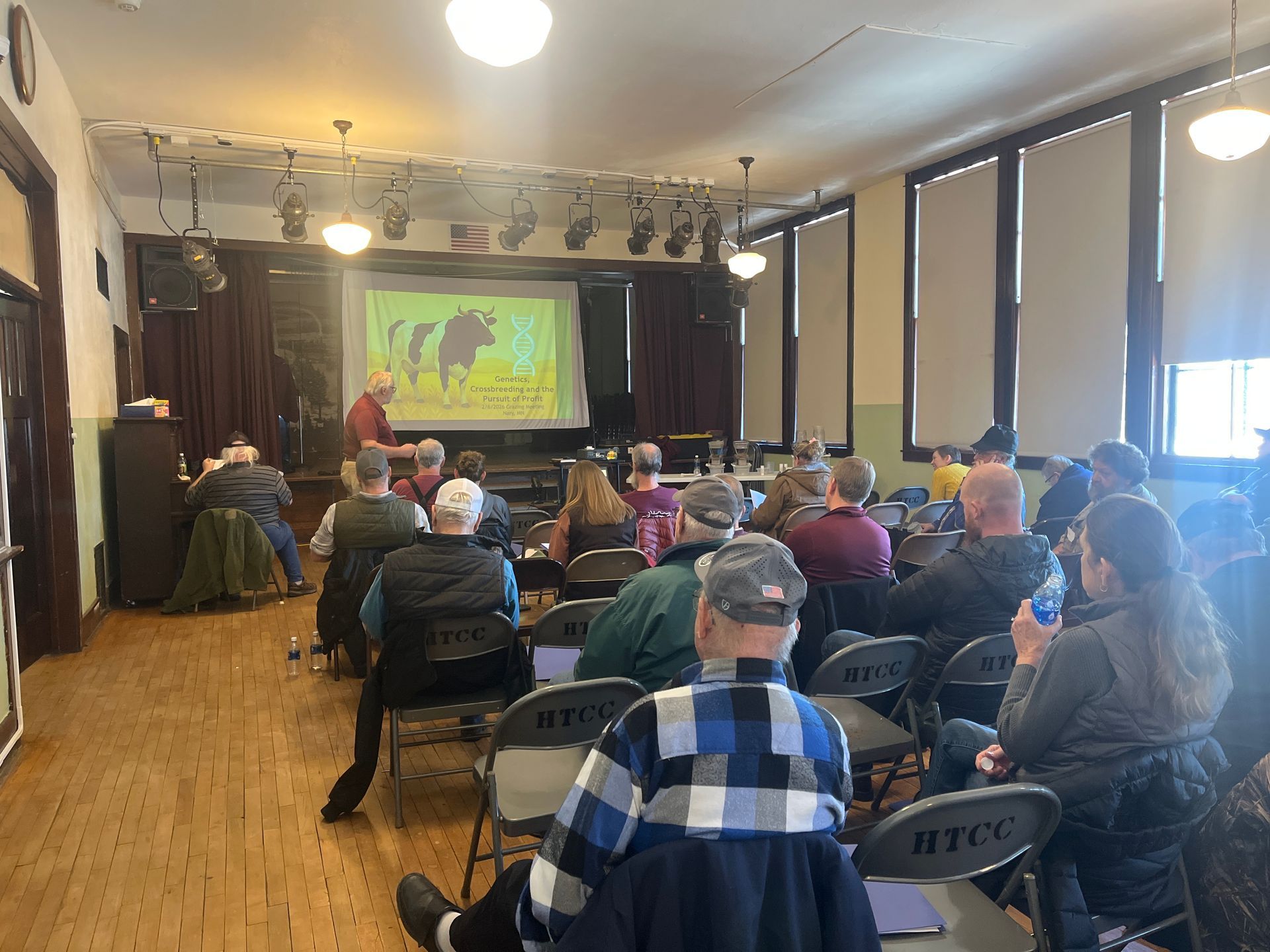
- The day wrapped up with Dr. Randy Lindemann, who covered Genetics and Crossbreeding Strategies to Influence Profitability in Cow/Calf Operations — offering clear, actionable insights for herd improvement.
With topics spanning ecology, management, and profitability, the workshop ensured that every attendee could walk away with at least one practical idea to apply on their own operation.
More Than Presentations
Beyond the formal sessions, one of the strengths of the Hubbard County Grazing Workshop continues to be the space it creates for connection.
Producers had opportunities to talk one-on-one with resource professionals, ask follow-up questions, and compare experiences with neighbors. These conversations — between sessions, over lunch, and at the sponsor tables — are often where learning deepens and confidence grows.
Building Momentum in the Region
Strong attendance demonstrates steady interest in conservation grazing and soil health practices in Hubbard County and surrounding areas. Workshops like this show that grazing management is not just about theory — it’s about practical decisions that impact forage growth, herd performance, input costs, and long-term resilience.
We are grateful to the speakers, partners, and farmers who made the day meaningful. The thoughtful questions and engaged discussion suggest that the impact of this workshop will continue long after February.
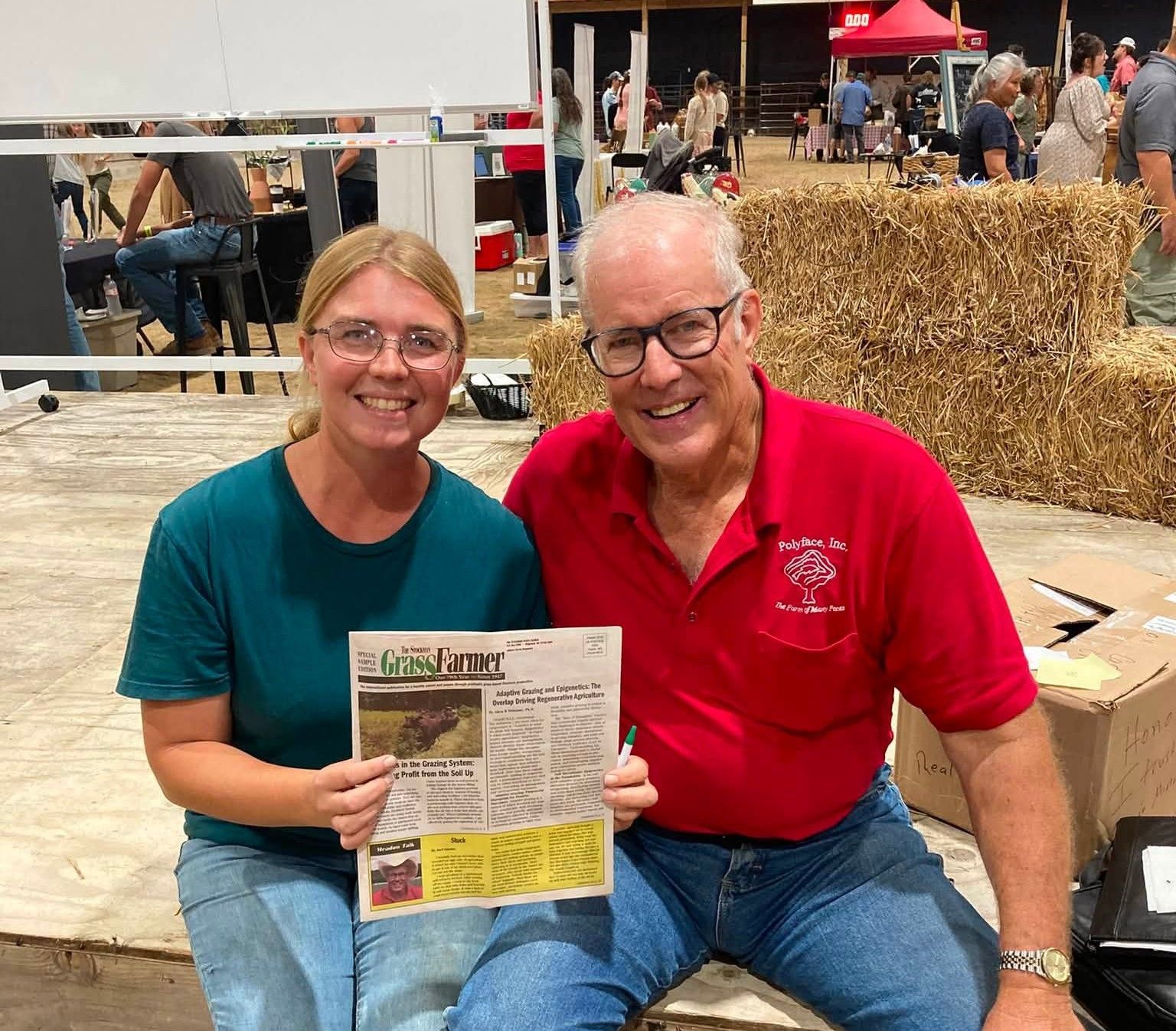
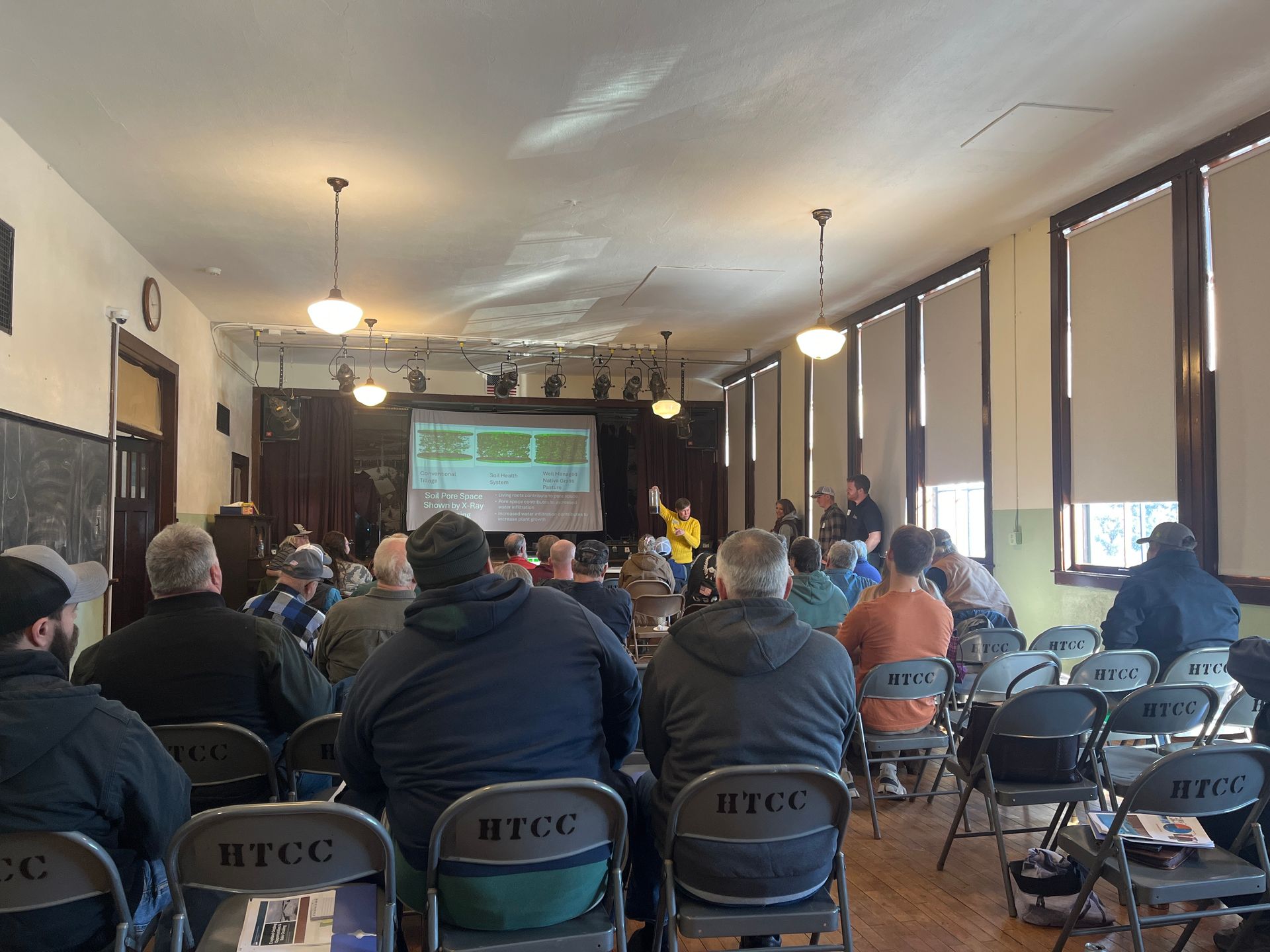
Below are photos capturing moments from the day.
Recent Articles