
Implications of over grazing pastures
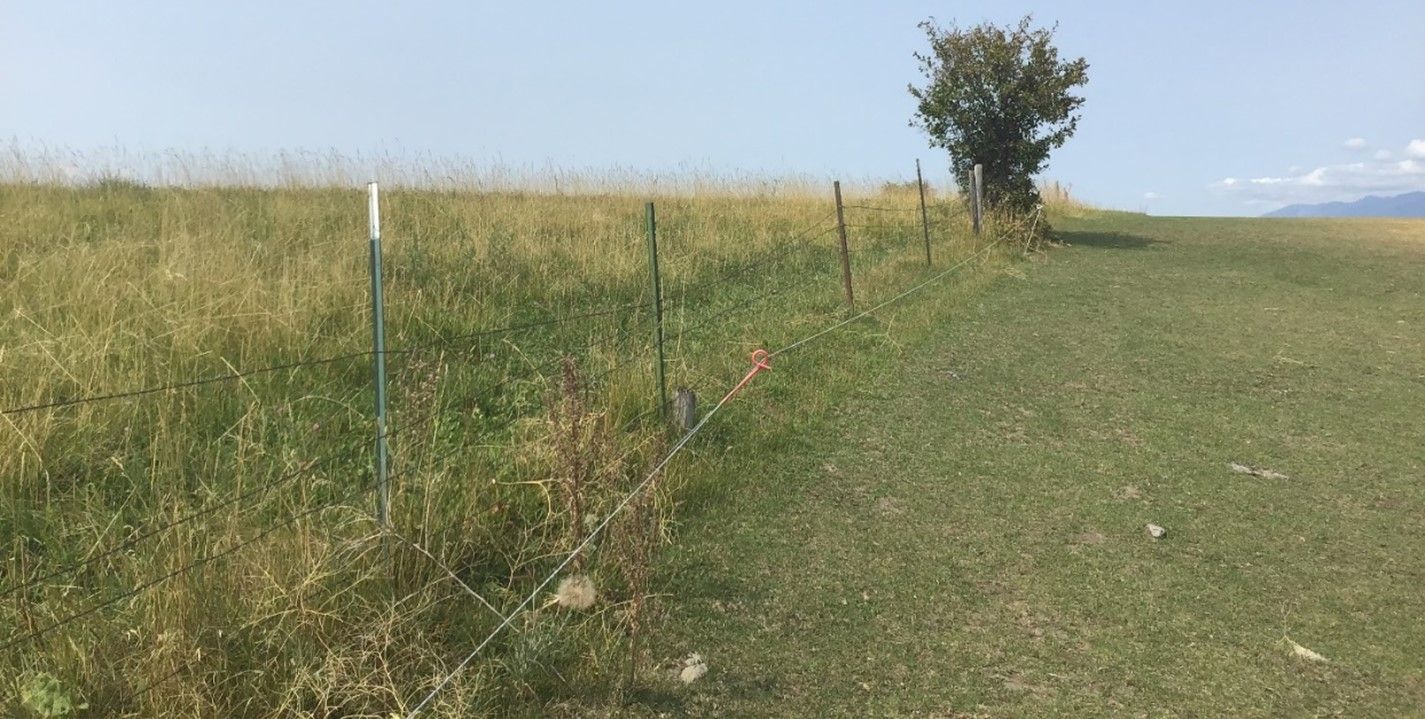
Source: Karen Johnson, University of Minnesota Extension
August 22, 2024 -Throughout the summer and early fall, farmers have been utilizing designated pastures or marginal land to graze their livestock. This process is relatively cost effective as the livestock harvest the forage instead of using equipment (includes time and fuel). However, recently I have noticed one trend in our area that needs to be addressed - overgrazing.
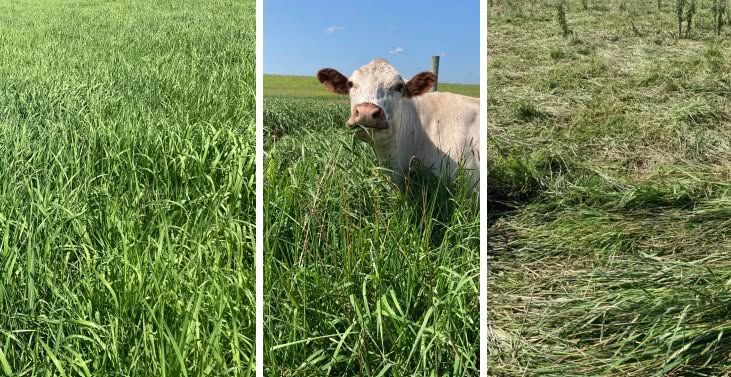
Overgrazing leads to a reduction in desirable plant species and an increase in less desirable plants. Having a thin pasture stand leads to reduced water infiltration, reduced water holding capacity and increased erosion potential. In addition, the soil will have less nutrient holding capacity and can lead to compaction issues. All of these factors will lead to decreased average daily gains in livestock.
In order to keep our pastures as productive as possible, it's important to know the types of grasses and legumes that are in your pasture. By doing so, you will have a better understanding of each species unique growth, persistence and quality characteristics. Not all plants grow the same with changes in the weather, soil quality and grazing management (or lack thereof). If you haven’t done so already, implementing a rotational grazing plan will help to improve pasture productivity over time.
As we approach winter, be thinking about how much time the desired grasses and legumes need to rejuvenate and store the necessary carbohydrates to survive winter. Livestock should not be grazing during this rest period. This is because grazing these plants reduces the leafy area of the plant and its ability to capture the necessary energy from the sun. Generally speaking, at least 5 inches or more should be left for an appropriate amount of vegetation for regrowth. Resting your pastures by having a rotational grazing plan will allow the desired plants to thrive, which provides less opportunity for weeds to get established.
Got unwanted weeds? Recently, I have seen a lot of thistles, among other weeds, that have had the opportunity to set seed. This is the exact opposite of what is recommended. Weeds that are on the noxious weeds list and that may cause harm to livestock need to be managed! Take time to identify the weeds in your pastures. Many require a combination approach of mowing, hand-pulling and herbicide application to be limited. Note: if you have weeds in your pasture that have gone to seed, do not mow them as the seed will be dispersed and get established in a larger area of pasture. Take note of the weed species this fall and create an action plan on how to manage the weeds in the next growing season.
For more information about pasture management, feel free to contact Karen Johnson, Livestock Extension Educator for Wright, McLeod and Meeker Counties at ande9495@umn.edu or 320-484-4303. The Minnesota Noxious Weed list is available through the Minnesota Department of Agriculture.
Recent Articles