
Party in the Pasture at Feathered Acres
By Leah Matzke, Event & Communications Coordinator
Every soil health field day teaches you something. Every once in a while, one also reminds you why you keep showing up.
The MN Soil Health Coalition’s Party in the Pasture at Feathered Acres Learning Farm & Inn near Belgrade, Minnesota, on August 21 was one of those days. I came home with a few new things in my notebook, but even more than that, I came home encouraged by the people, the farm and the conversations that filled the day.
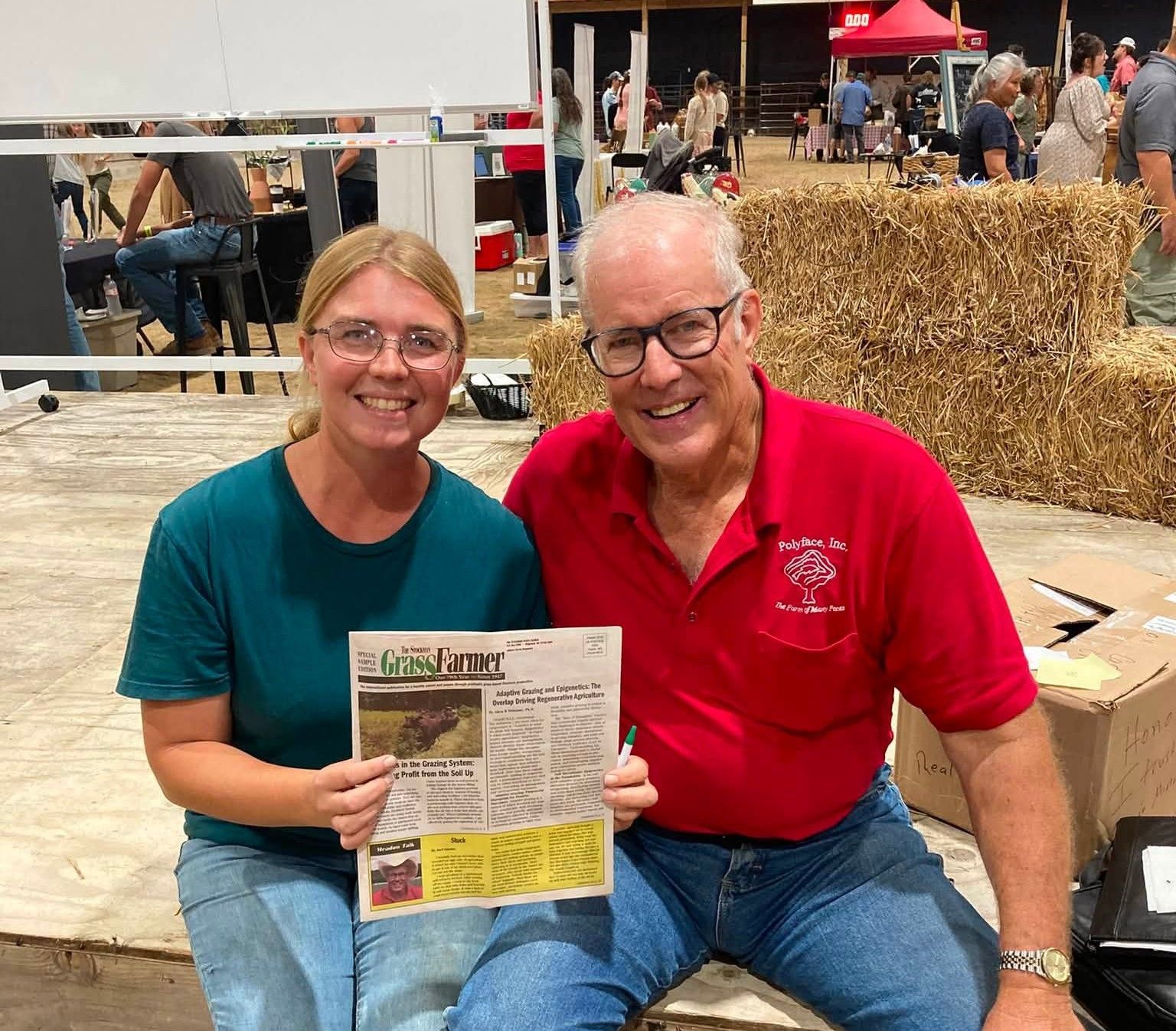
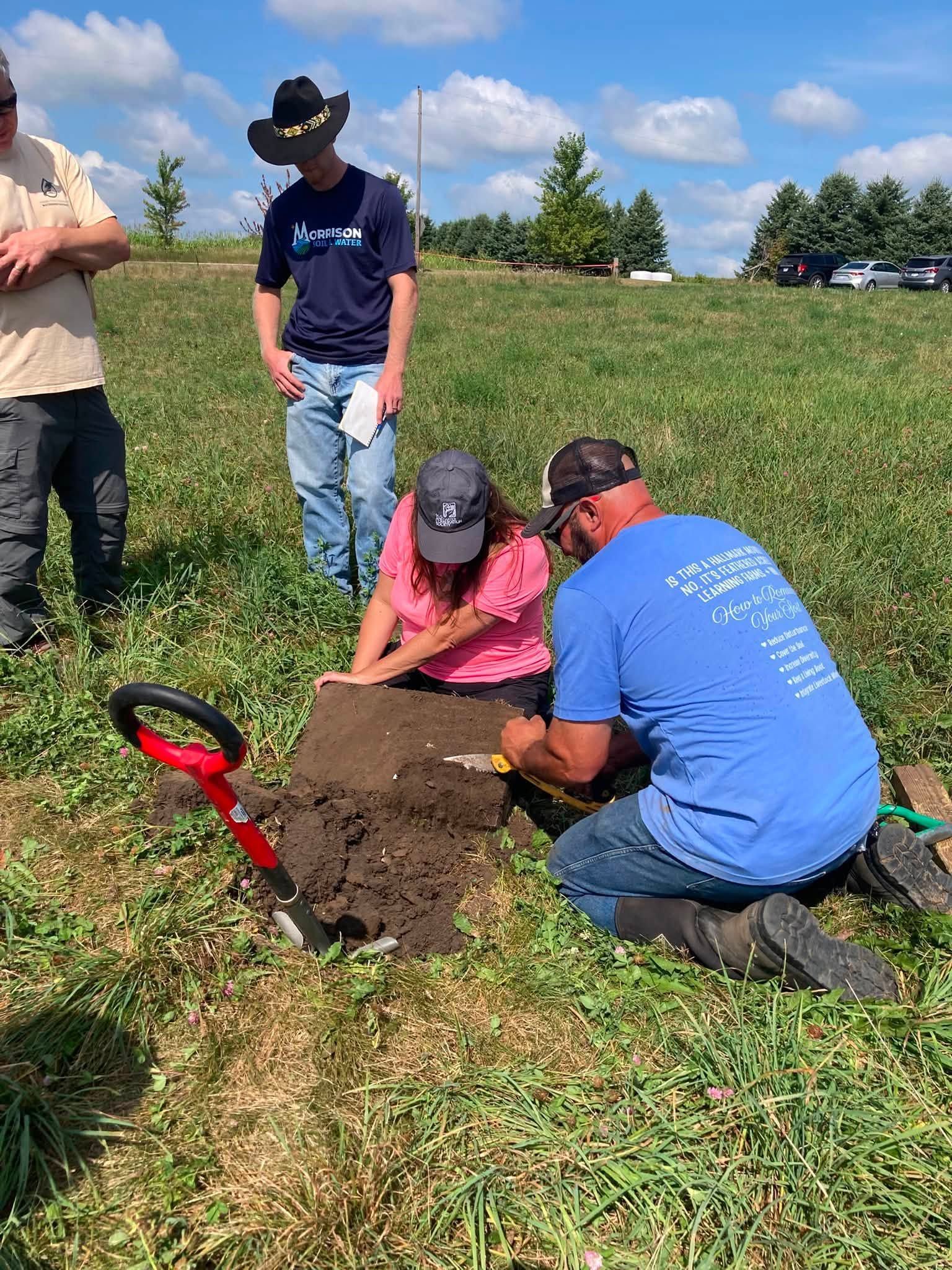
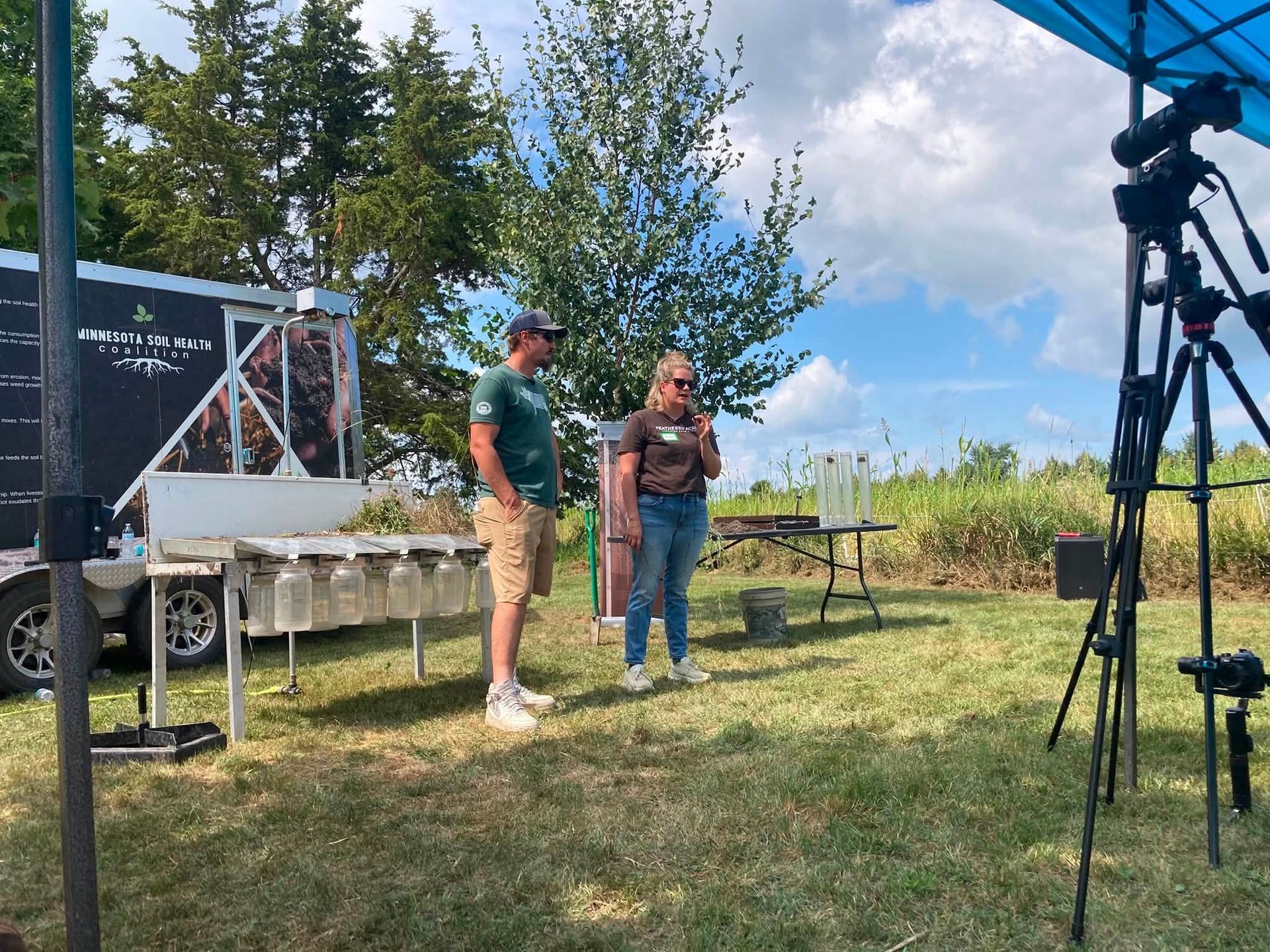
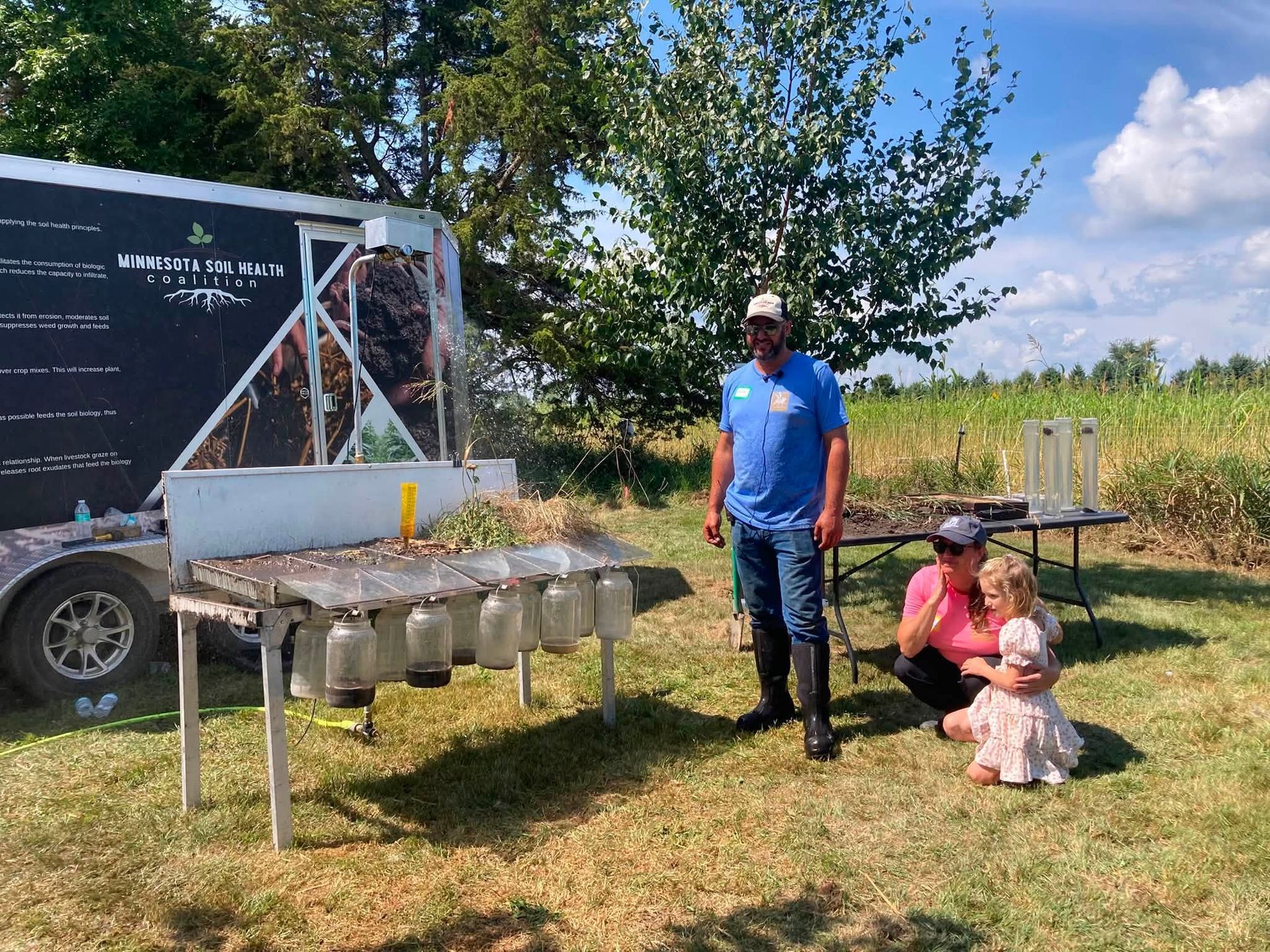
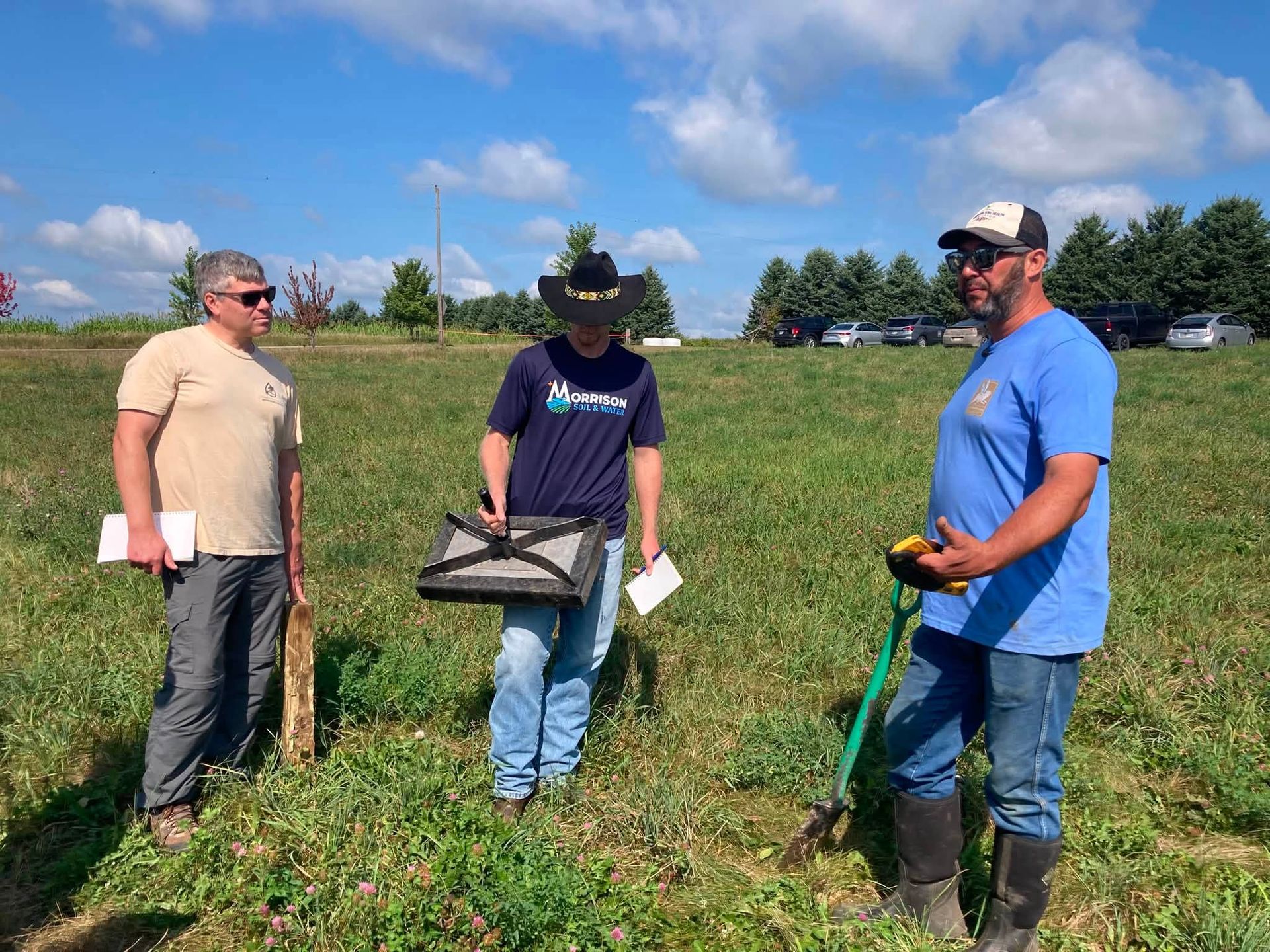
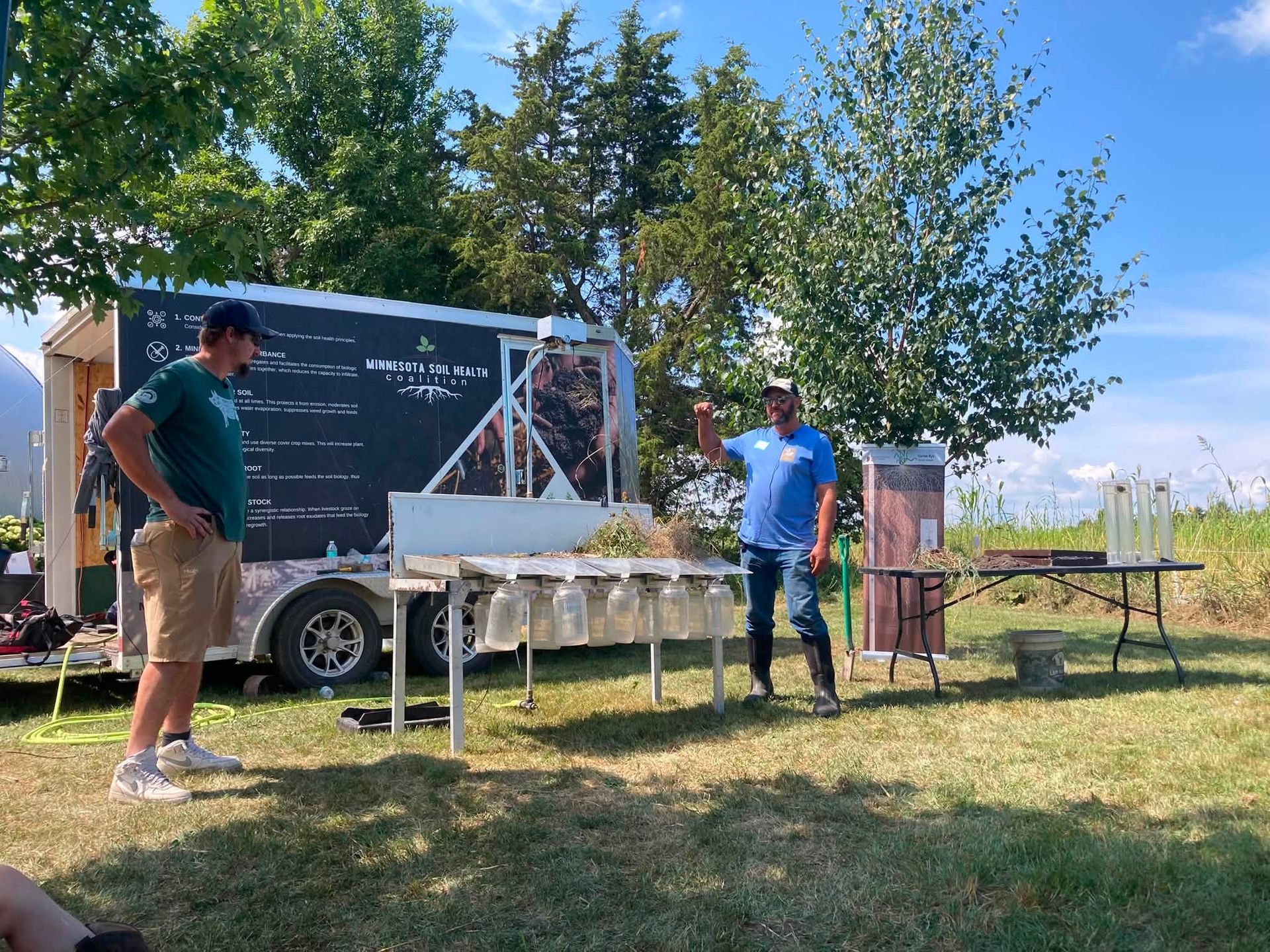
I arrived early for the conservation professionals' portion — what a treat! Working alongside the Soil and Water Conservation Society, and MN Soil Health Coalition, we ran through soil health demonstrations and practiced pulling soil pans for the rainfall simulator. An important aspect of my work is helping farmers and conservation professionals learn to talk about grazing and its importance in soil health. Getting to sit on the other side of that exchange, as the one learning, is a rare and welcome reset.
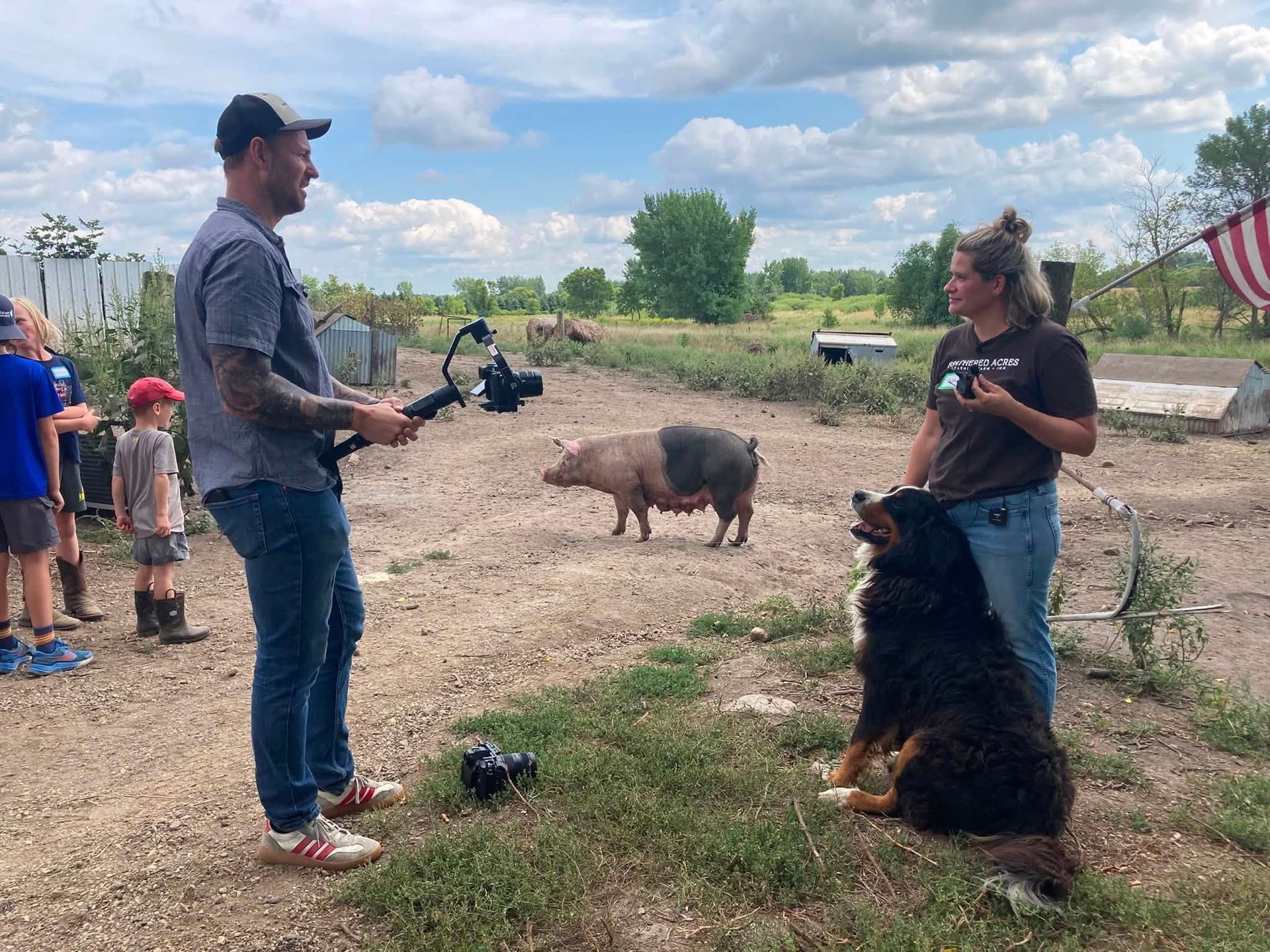
Then there was the field day and the farm itself. Trisha and Nolan have built something special at
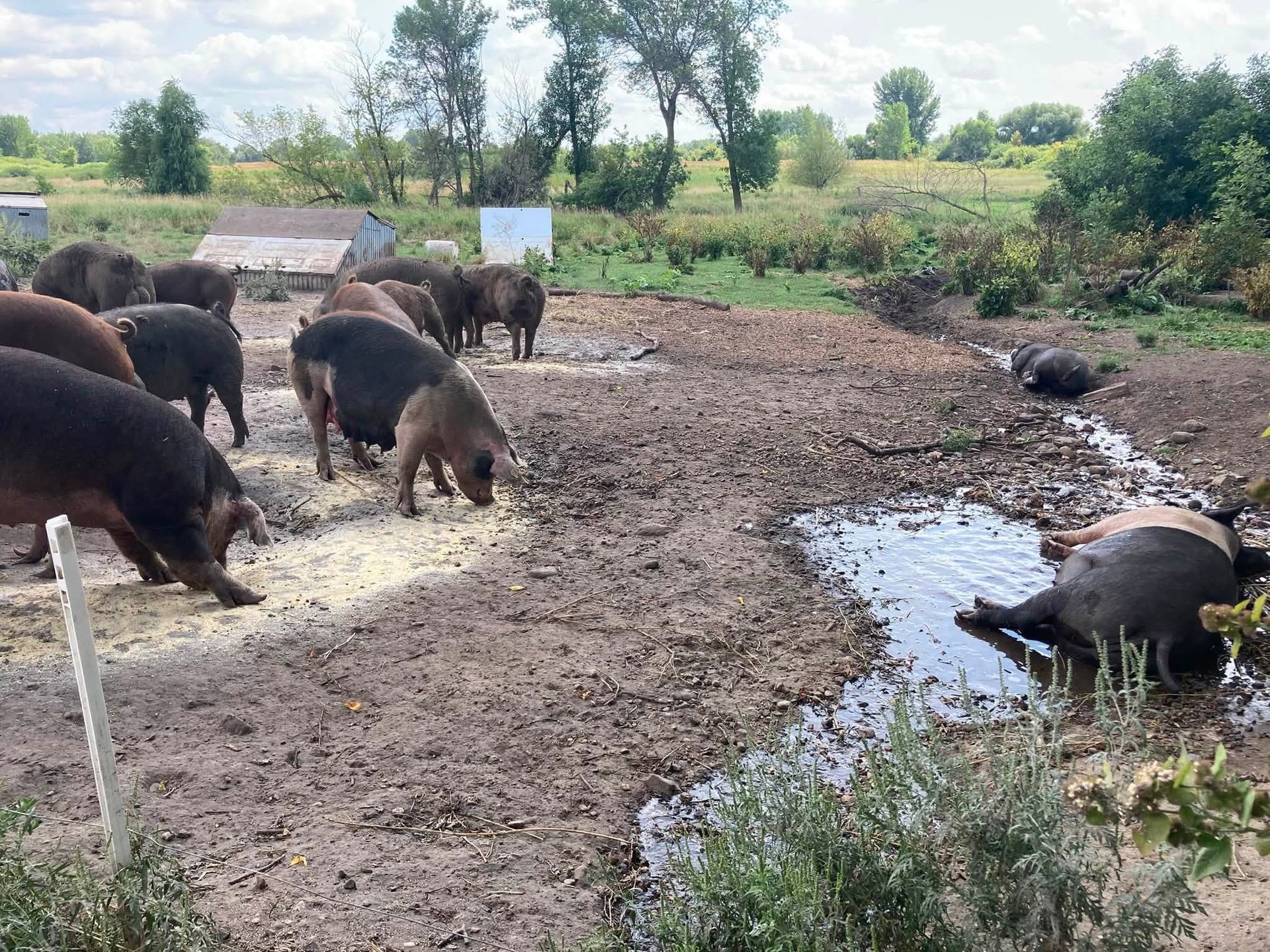
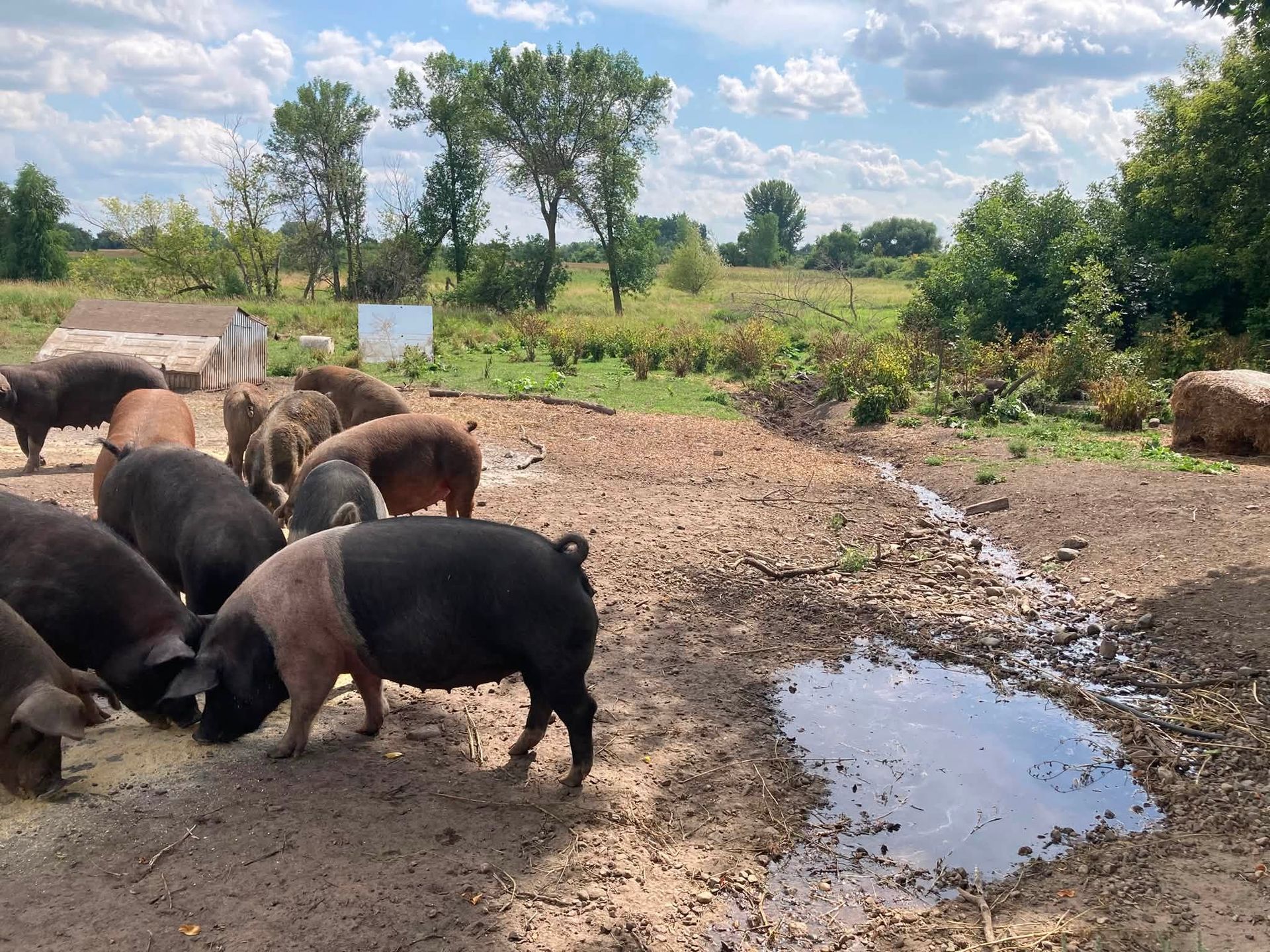
Feathered Acres. I loved seeing the pigs—out on pasture, wallowing in puddles, with piglets splashing through a little stream made by a running hose. They raise pigs on pasture and direct market them to their community and local restaurants, while also raising pigs for the specialty market through Ninman Ranch.
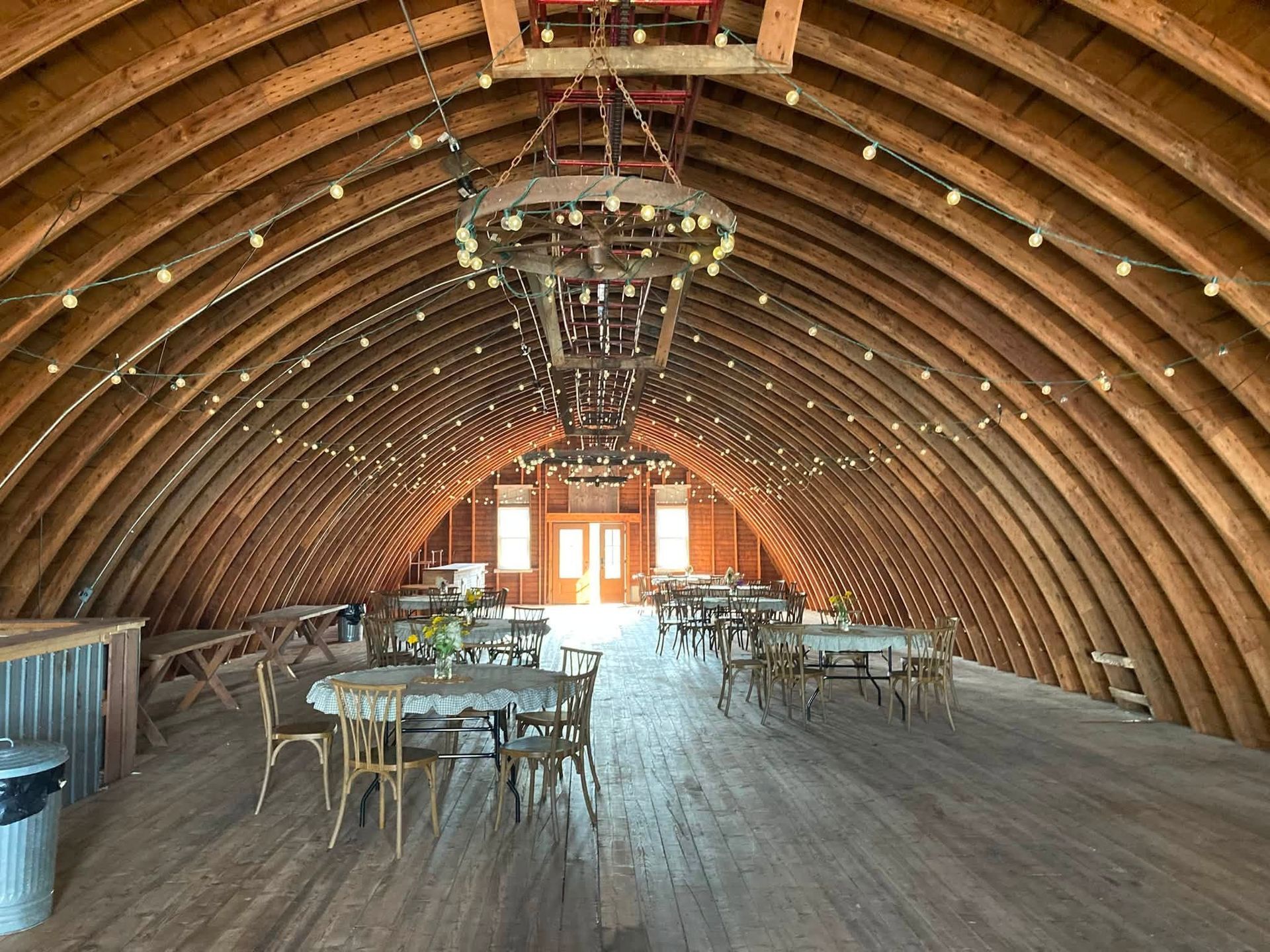
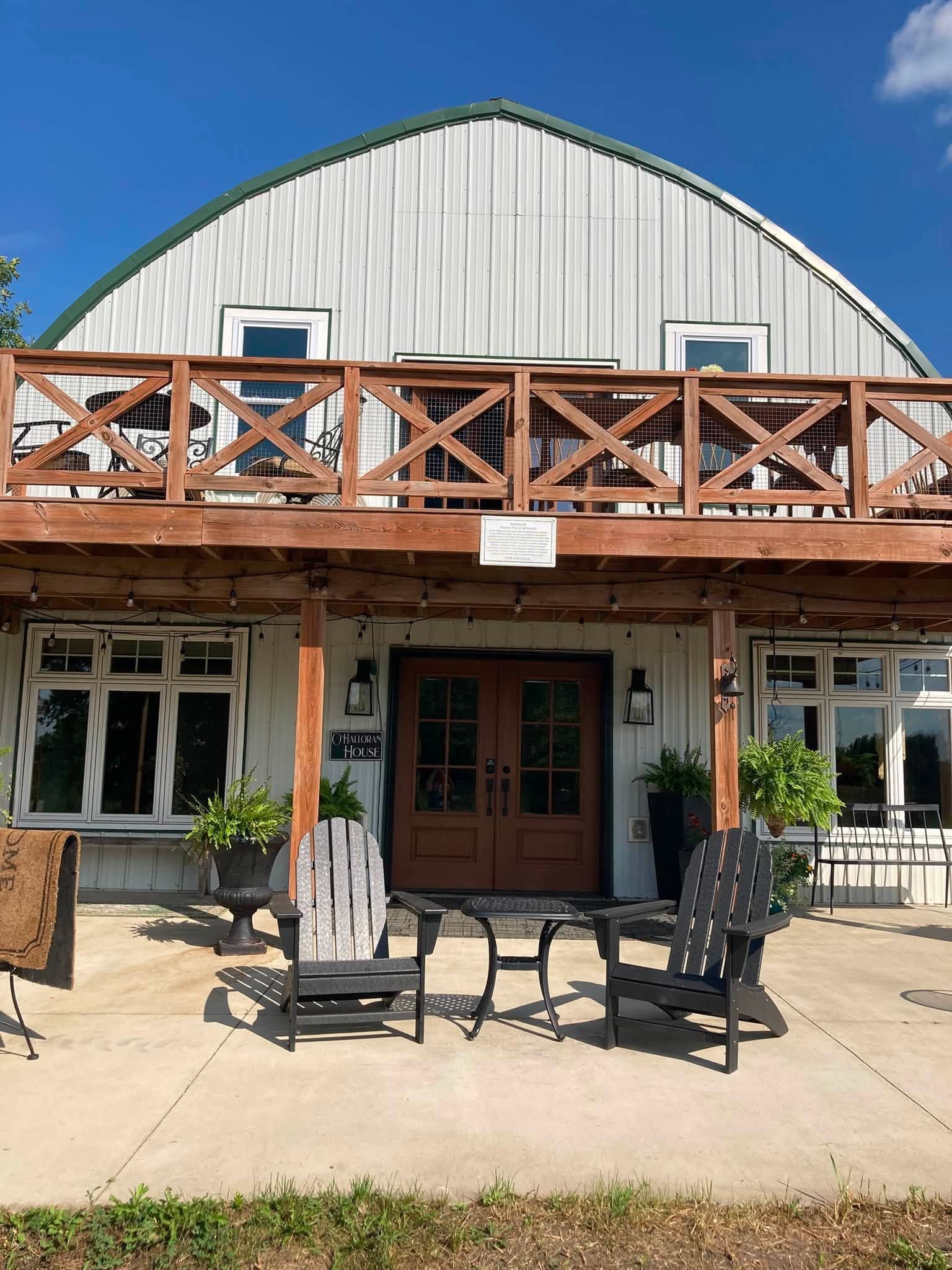
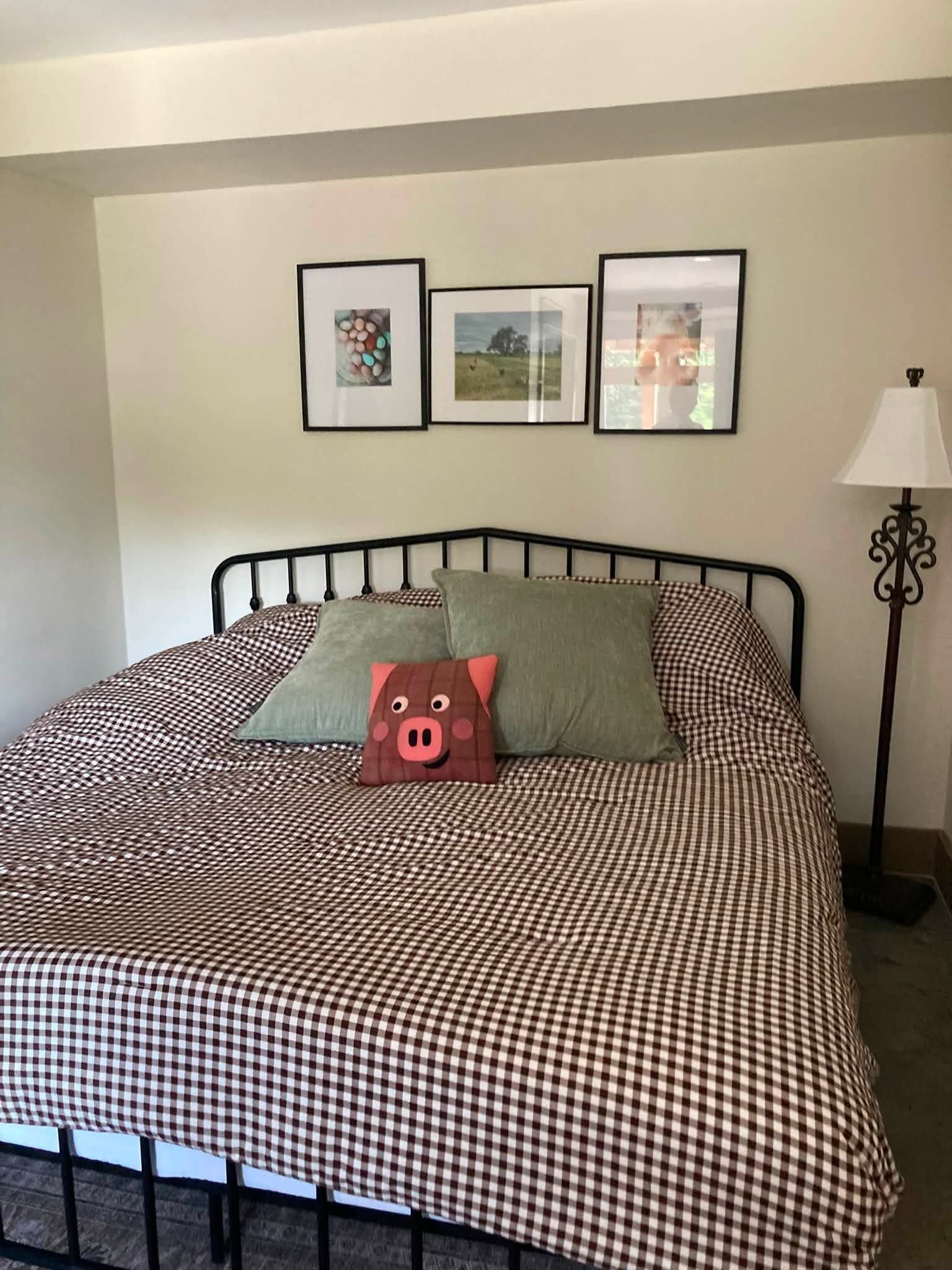
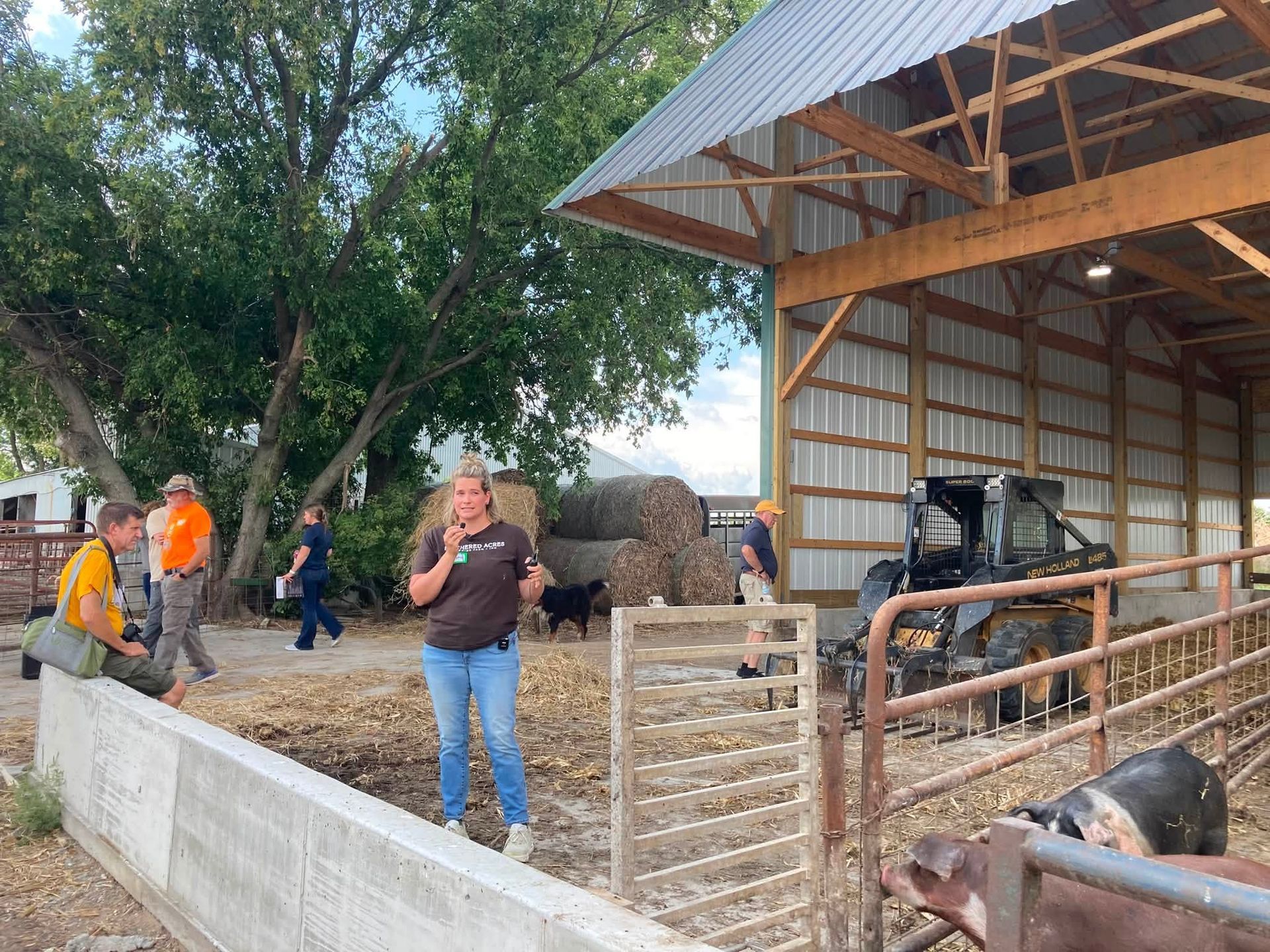
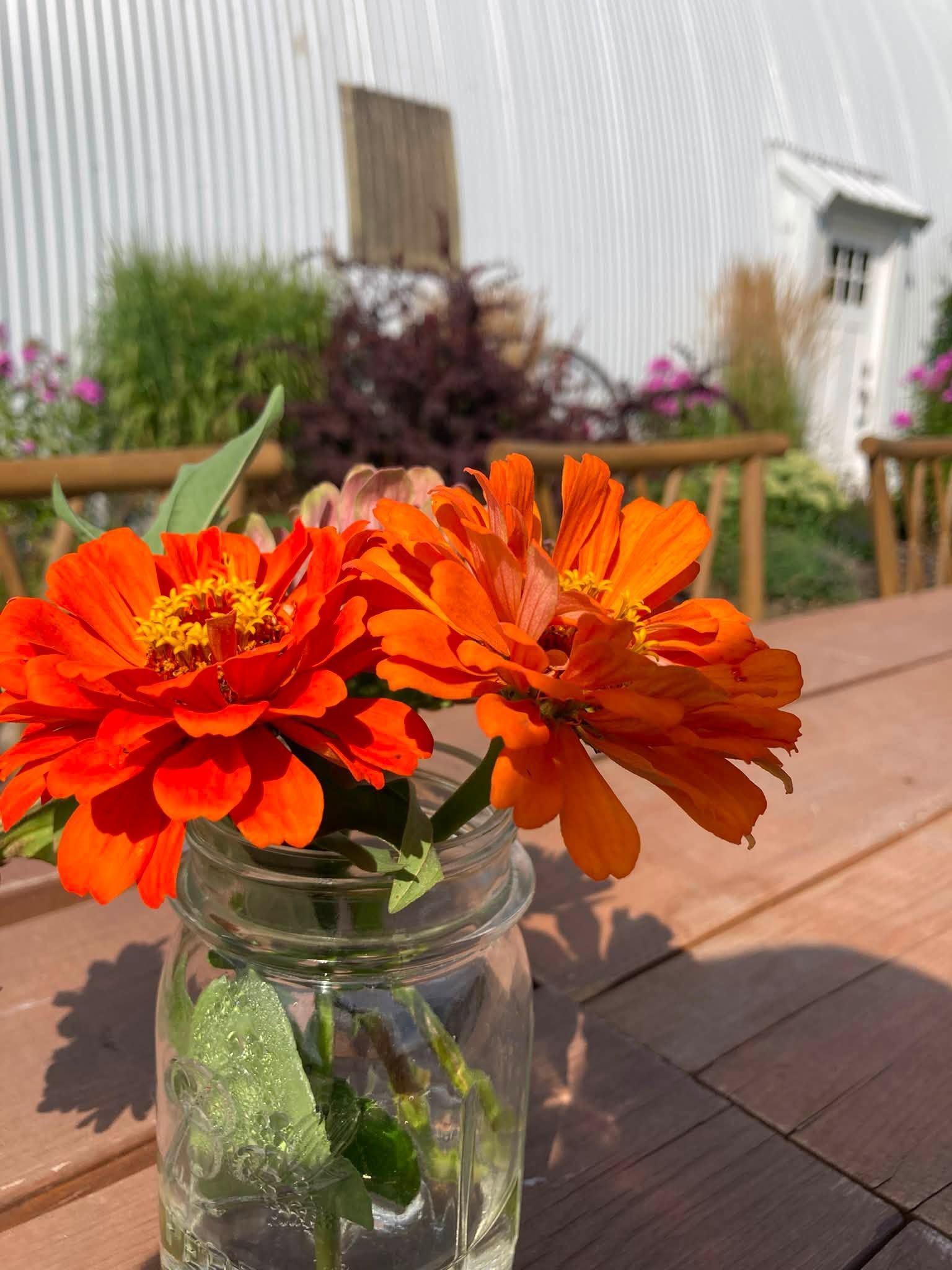
Nolan and Trisha gave us a walking tour of the farm, including their new open-air barn funded in part through a MDA grant. By afternoon, Feathered Acres pork was on the table. The farm’s event space and agritourism lodging are bright and welcoming—a setup that invites people to stay awhile and actually experience the operation rather than simply tour it. I love their vision of creating a place where people can come onto a farm, learn something, eat good food and feel at home on a working farm for a little while.
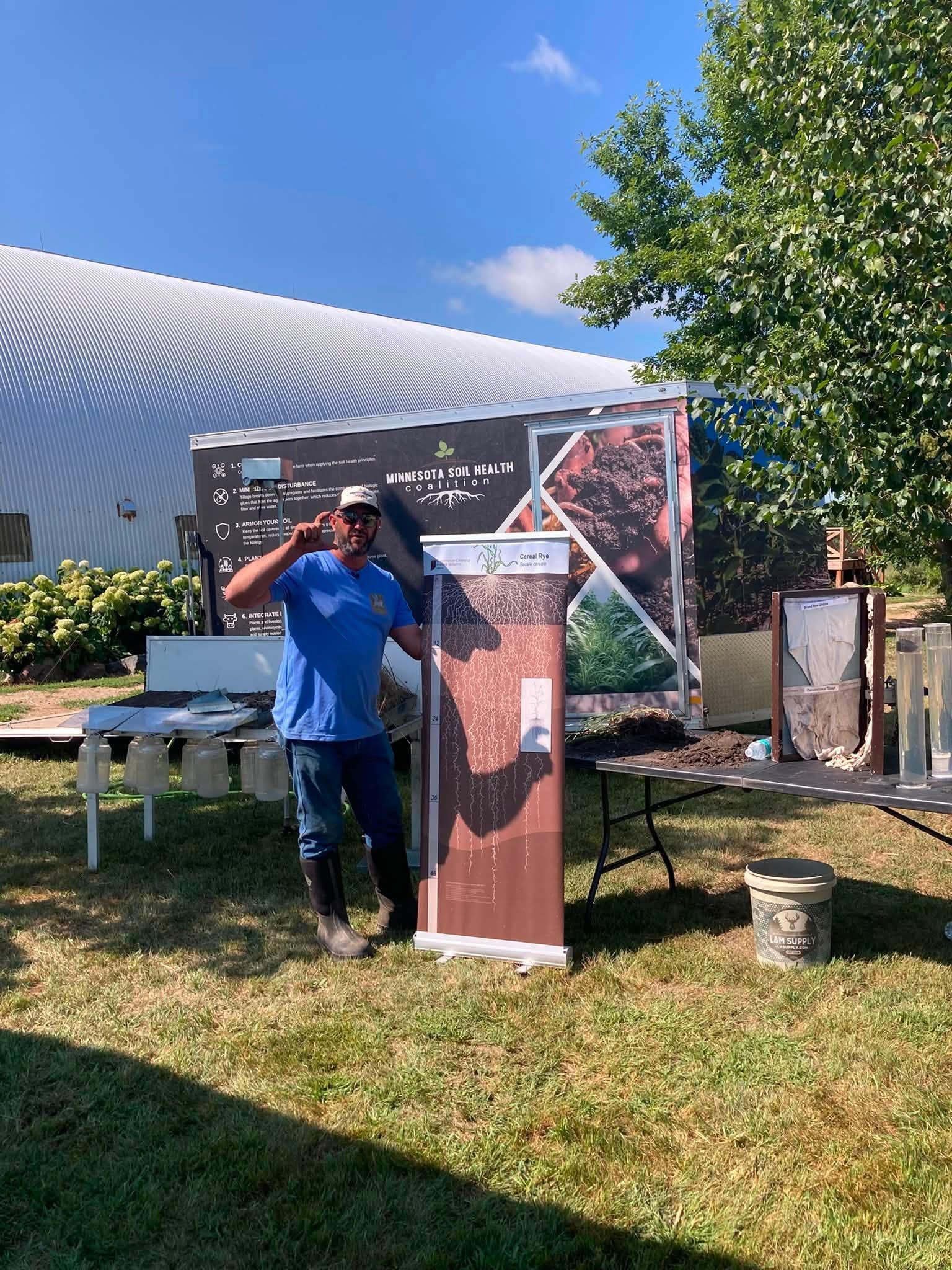
The rainfall simulator remains one of the best teaching tools in soil health, and MNSHC's Mark Gutierrez ran his demonstration to full effect. Watching the water move through the different soil profiles makes the six principles of soil health so tangible: consider the context, minimize soil disturbance, armor your soil, plant diversity, keep a living root and integrate livestock. You can talk about soil health all day, but watching the difference in what happens to water on healthy, well-managed soil brings those principles to life.
Then came the party. As the day wound down, we came together to listen to a live band with good food and excellent company. The formal sessions matter, but the real value often shows up afterward — farmers and conservation professionals standing around trading stories, comparing notes, asking each other the questions that don't come up in a workshop setting.
That's the thing about the Minnesota Soil Health community: nobody has it figured out. Everybody's testing something, watching what happens, adjusting, and asking better questions of each other along the way.
I left Feathered Acres grateful — for what I learned, for the people I spent the day with, and for farmers like Trisha and Nolan who open their gates and let the rest of us in. The best field days aren't only about what you learn. They're about who you meet, what you see, and the conversations you carry home.
Recent Articles