The Regenerative Agriculture & Homesteading Summit
By Leah Matzke, Event & Communications Coordinator
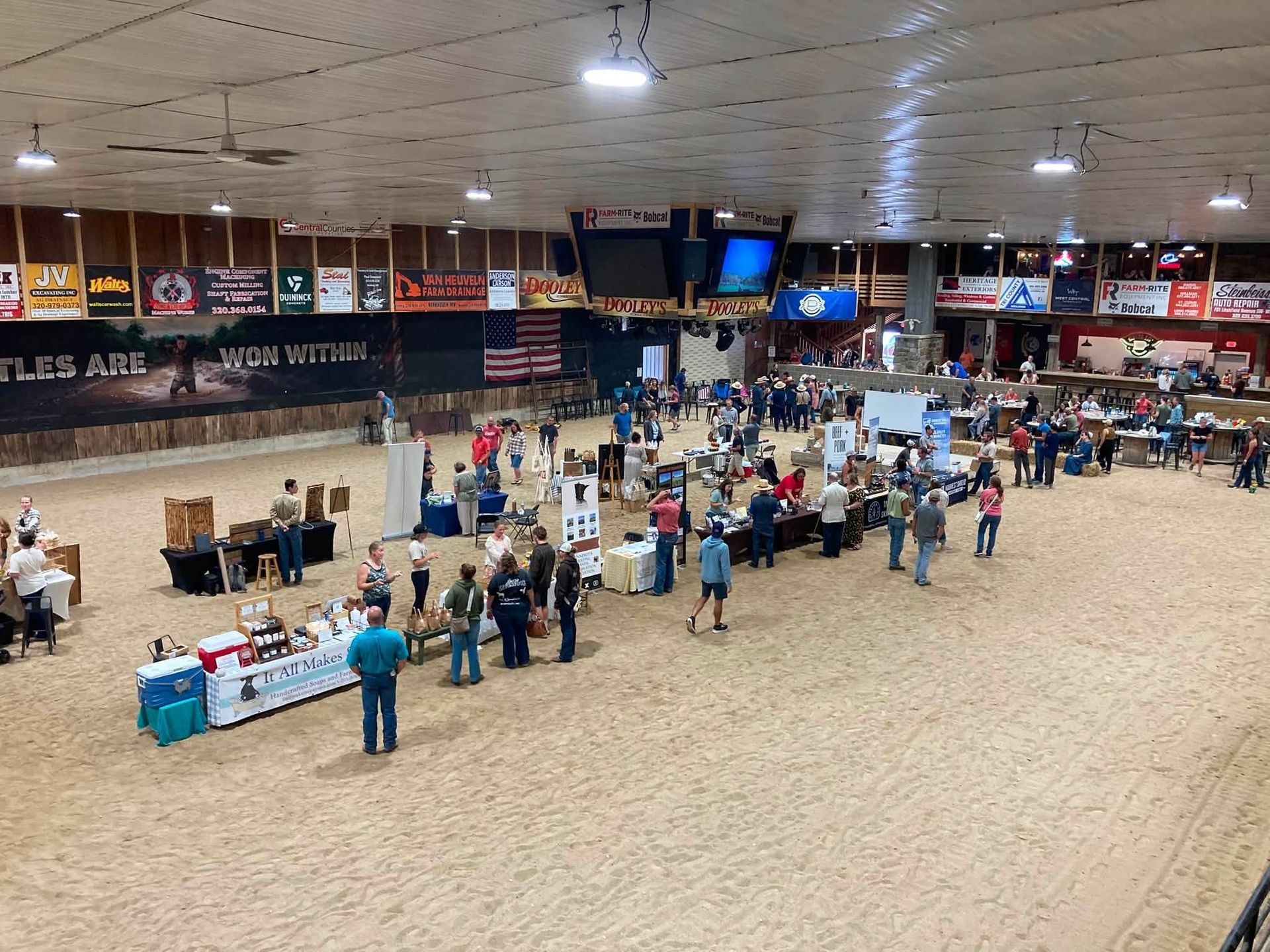
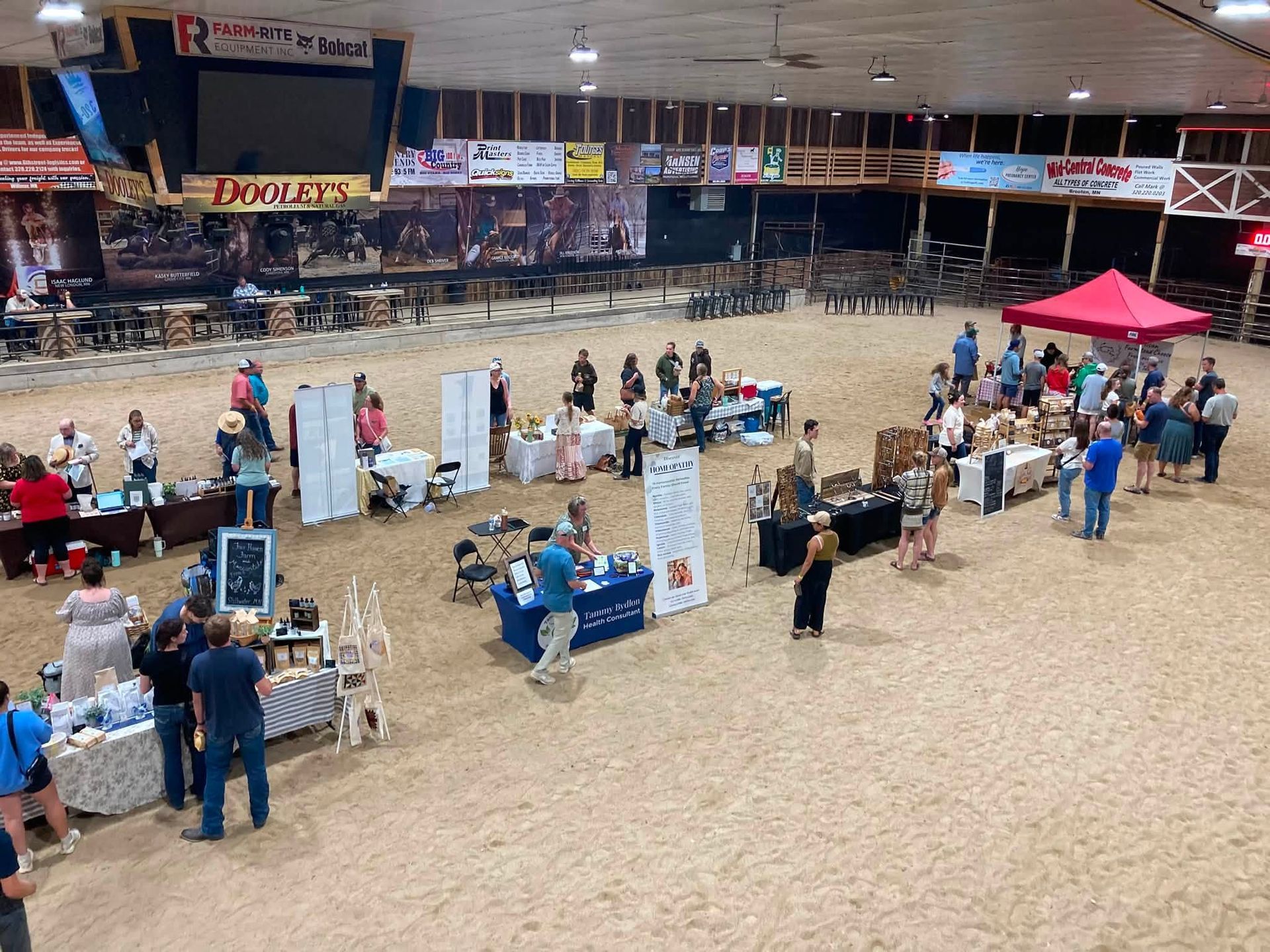
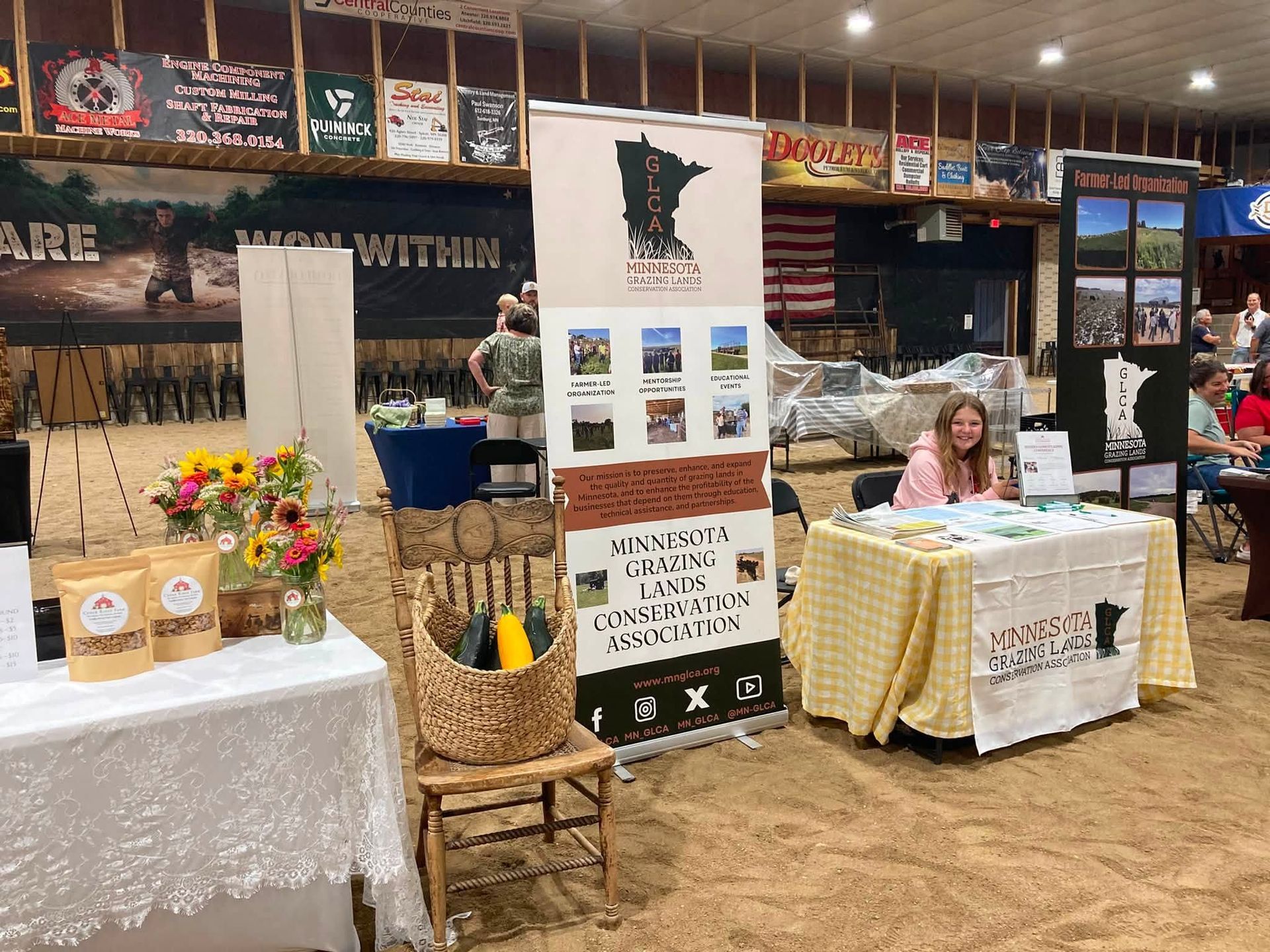
I knew I was in the right place when I walked into Smilin’ D Arena and found myself sandwiched between a cottage-food baker and orchard grower on one side and homemade tallow skincare products on the other.
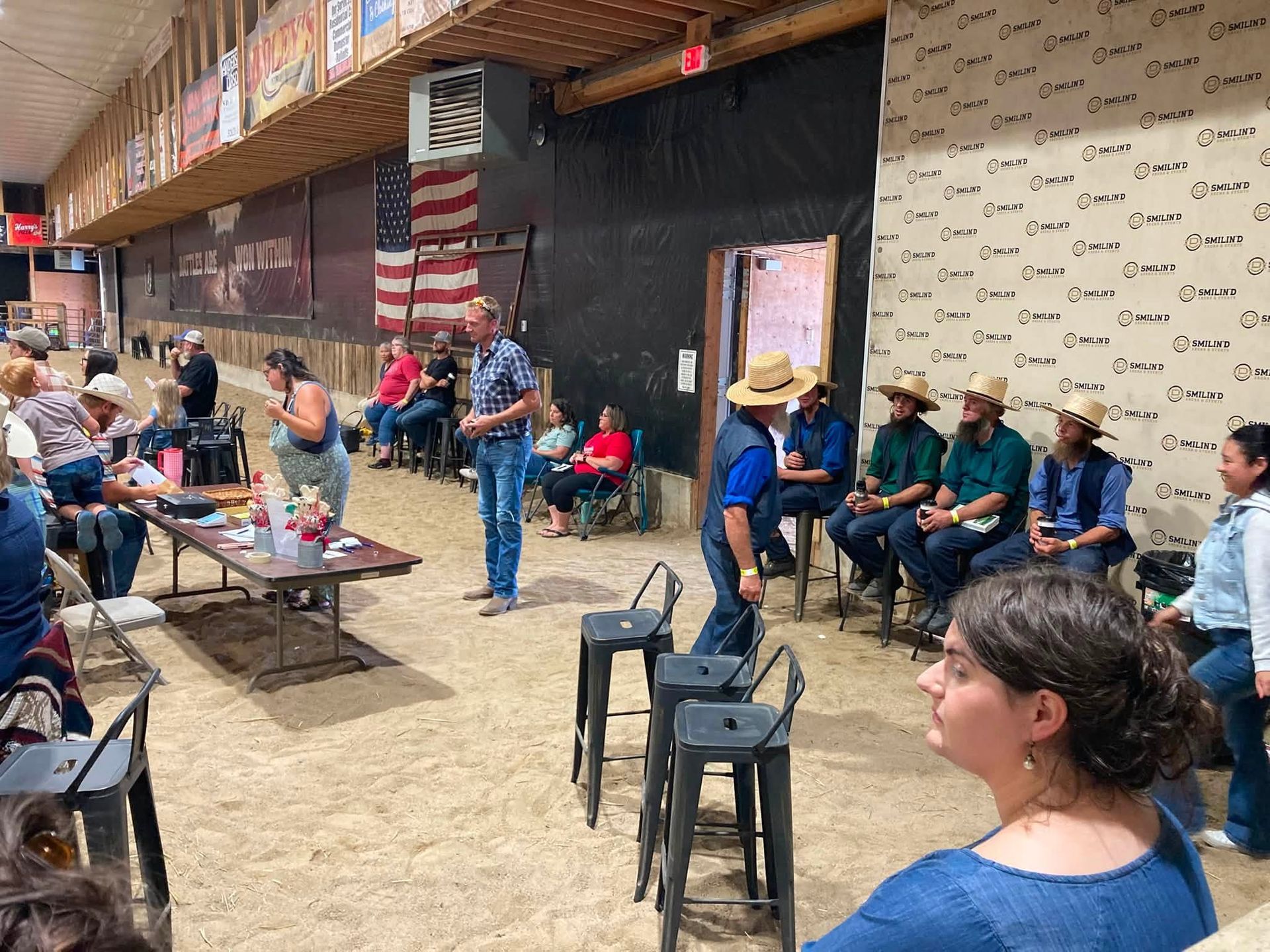
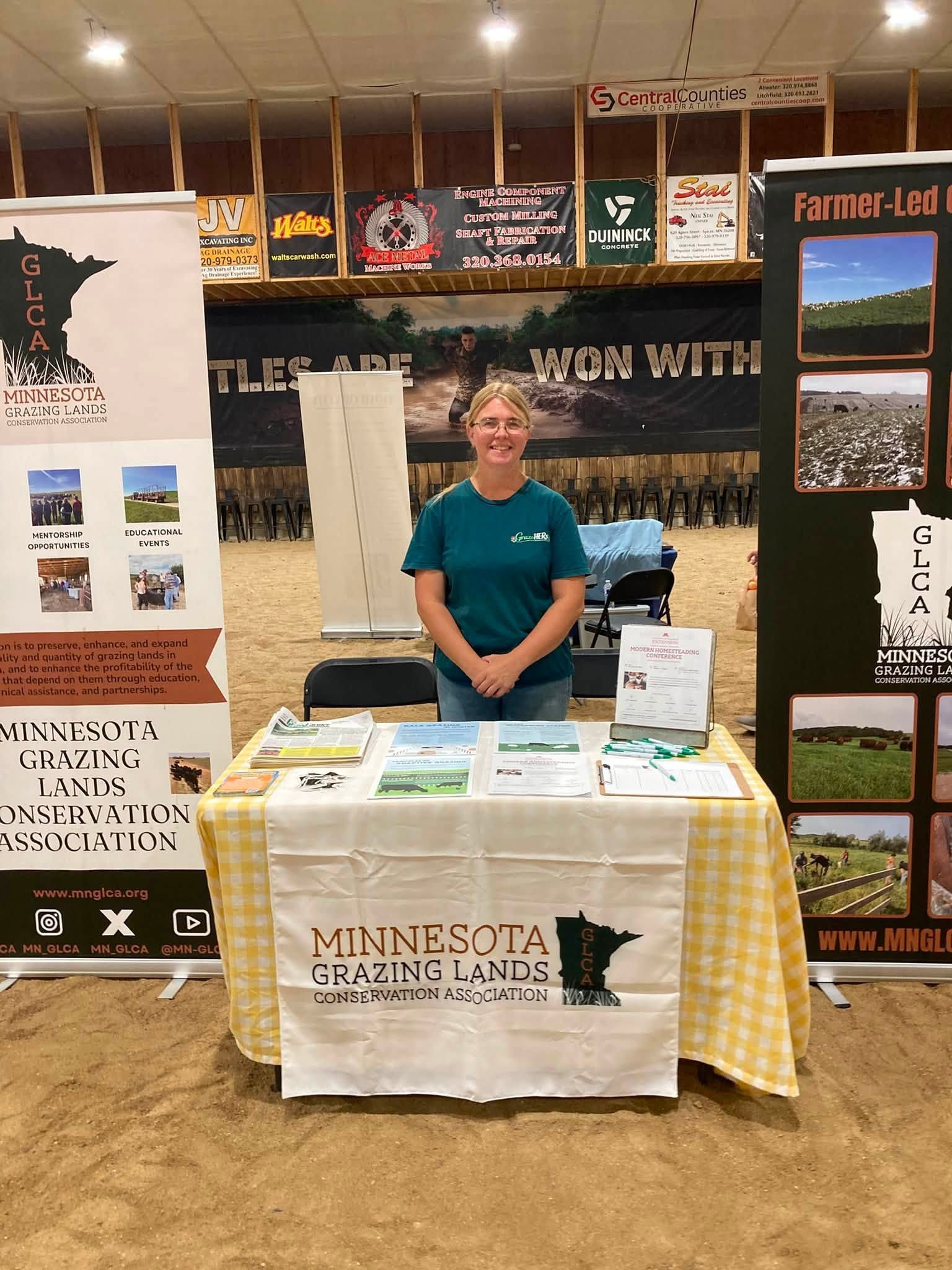
This was the Regenerative Agriculture & Homesteading Summit in Belgrade on September 5, and I was there representing MNGLCA. The morning indoor farmers market was buzzing, and I spent the first part of the day talking with people who stopped by our booth. And, if I’m being honest, sampling some really good food along the way. Pinch me, fresh baked raspberry scones and artisan cheese? This is a pretty fun way to spend a Saturday.
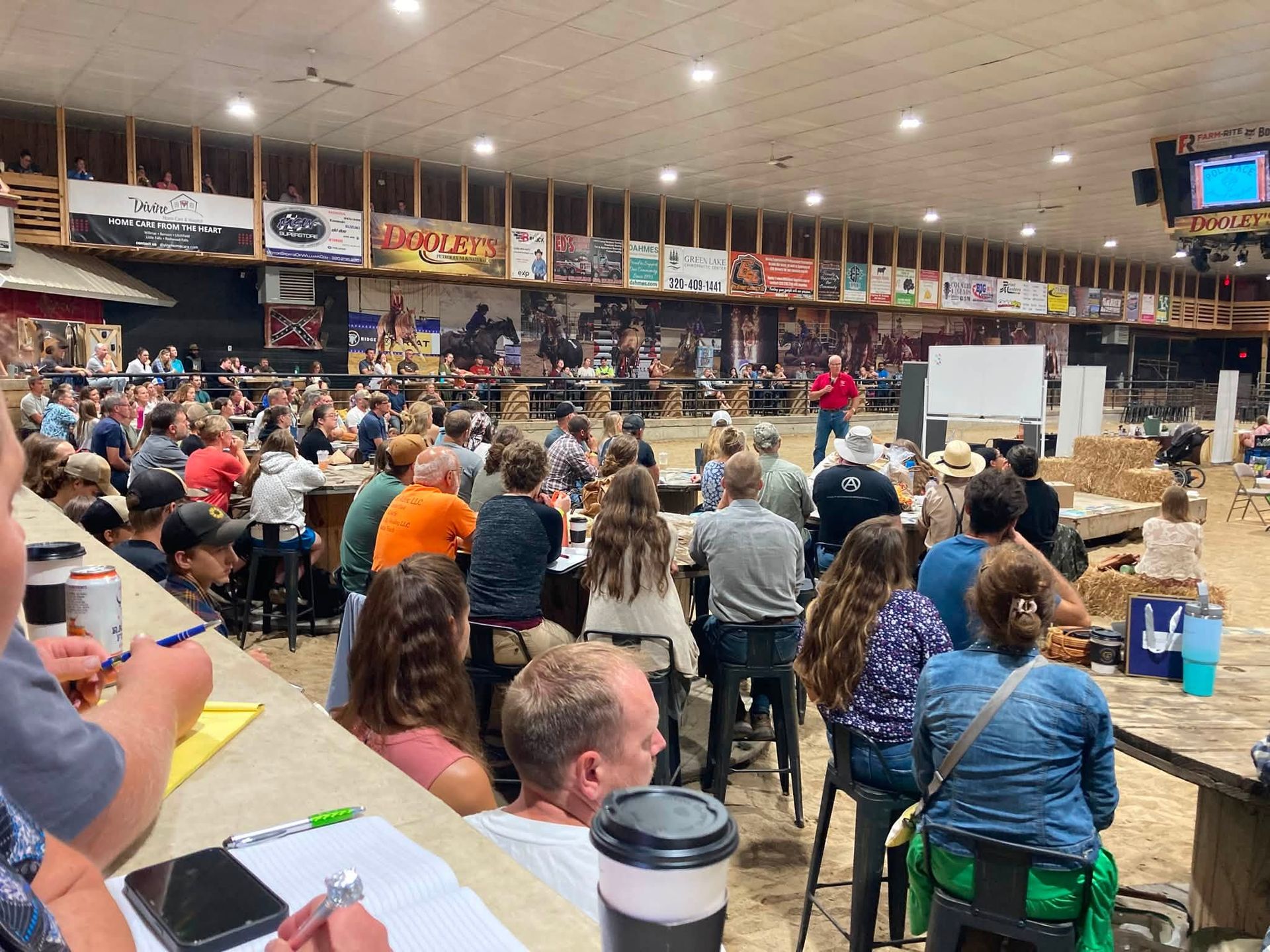
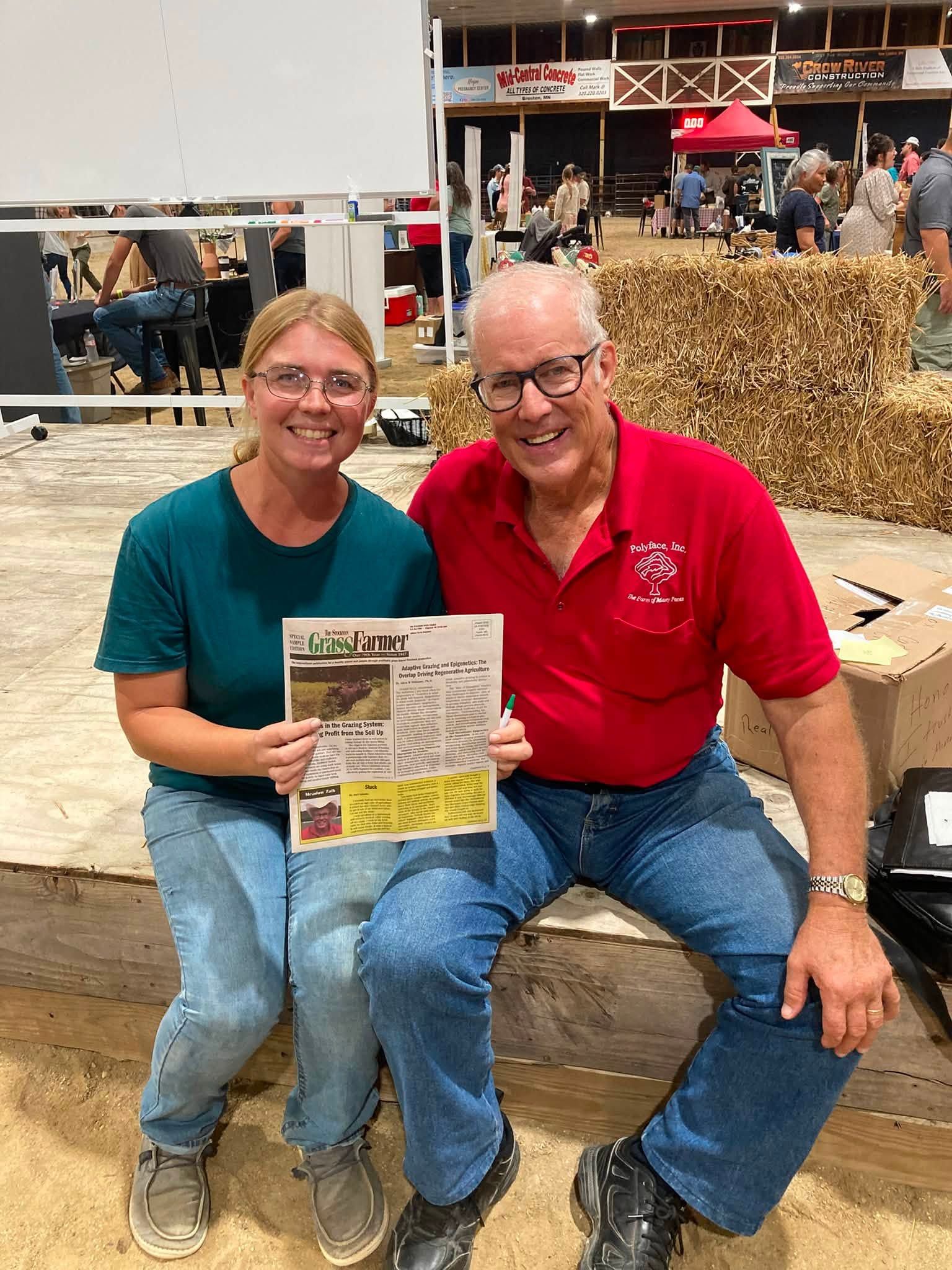
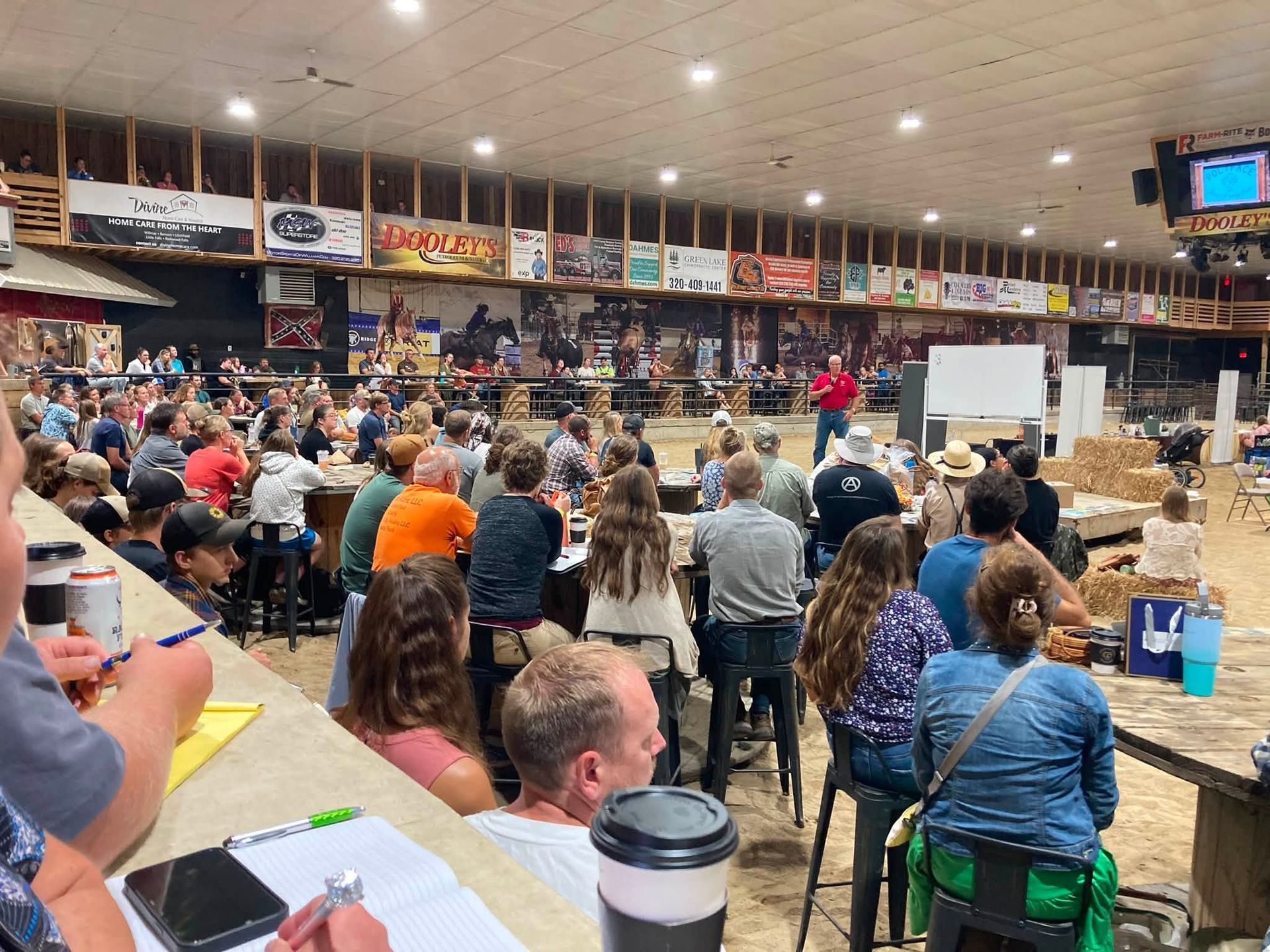
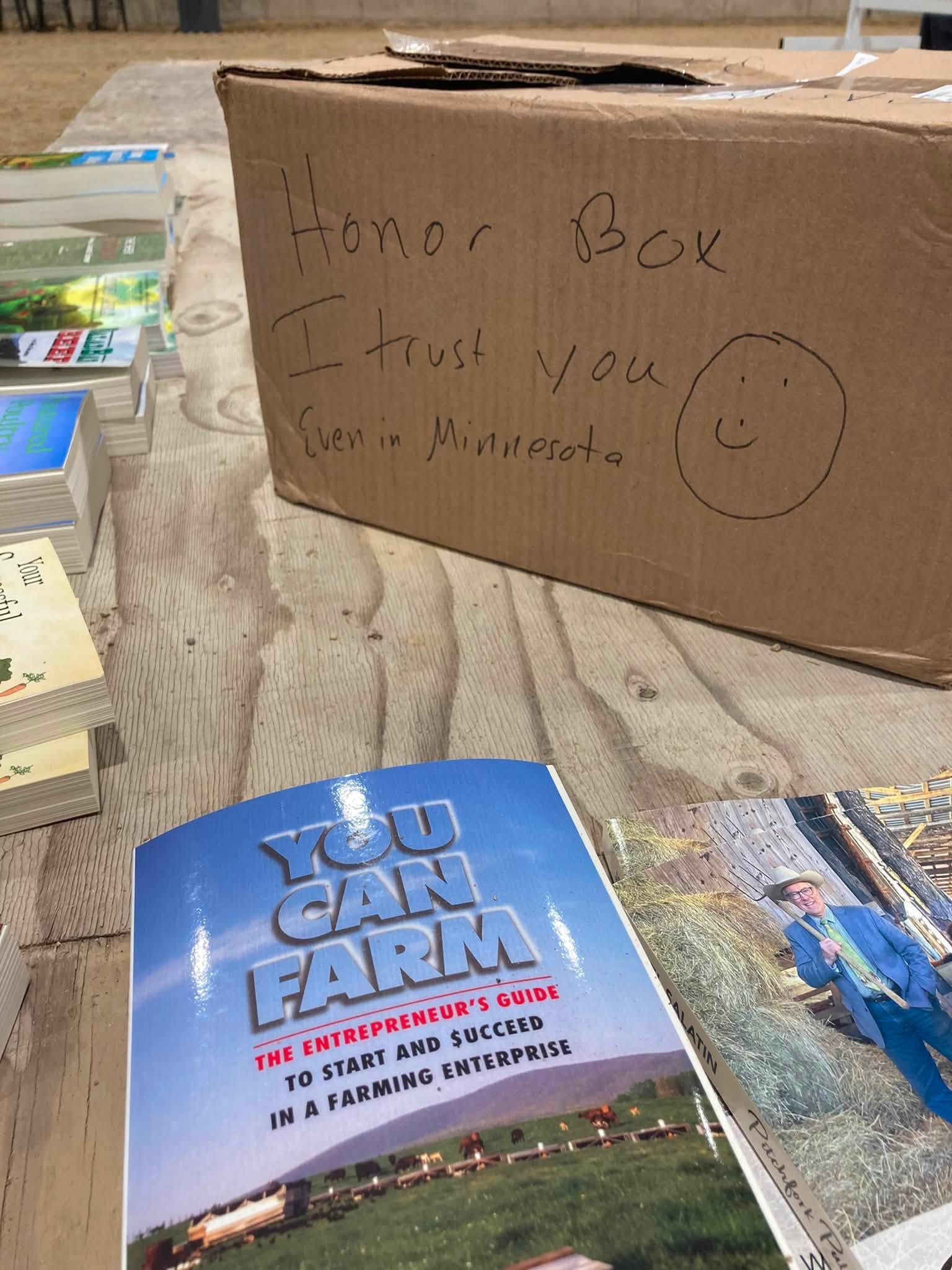
Then the official program got underway with Joel Salatin, aka the “Lunatic Farmer,” founder of Polyface Farm, international speaker, and bestselling author.
Joel is entertaining to listen to. He tells stories, uses very specific numbers, makes people laugh and knows how to get a crowd going. For a while, it felt like we were taking a walking tour of Polyface Farm without ever leaving Minnesota. But as much as I enjoyed listening to Joel, the part of the day I think I enjoyed even more was talking with the people who stopped by our MNGLCA booth.
There were ranchers from western Minnesota, including a group from the unique region around Big Stone Lake. There were new farmers with a handful of sheep and goats who are trying to figure out how to make better use of the acres they have. I talked with a family from Wisconsin who is rotationally grazing and seeing really encouraging returns from their system. So many optimistic young families homesteading or working their way towards their own patch of land. Different starting points, animals, goals and dreams.
But there was a common thread running through all of those conversations: these people want to grow good things on the land, and they want their farms to work.
That is really what I kept coming back to from Joel's talk, too.
One of his messages was that successful farming takes time. He shared the stories of farmers who built successful farms without being born into farming, and a common thread was that they started by renting land, serving under someone who was already successful and selling their products directly.
“Anything that lasts a long time takes a long time.” That struck me.
Especially in grazing, it can be tempting to look at someone else's finished farm and wonder how to get there faster. But good grazing systems are built through experience. You learn your land. You learn your animals. You learn how quickly they move through different paddocks, what your forage does in July versus October, how much recovery you need and what happens when the weather doesn't cooperate.
You can't Google that experience. Joel also talked a lot about matching livestock and land in ways that make the whole system work better. Cattle are incredibly effective at turning forage into food for us, and managed grazing gives us a tool to control where and when they graze. He talked about moving animals, mobbing them together and using their natural grazing behavior to build the soil rather than simply asking, “How many animals can I put on this pasture?” That is the kind of conversation I love. Not just how do we raise more animals? but how do we build a system where the animals, the land and the farm business all work together?
And then there was another message that felt particularly relevant to the work we do at MNGLCA: serve. Get close to what you want to do and serve. Find someone who is already doing it well. Get close enough to learn. Help. Ask questions. Get experience. Then take what you've learned and build something of your own.
That is one of the things I love about grazing communities. There is so much knowledge that isn't found in a textbook. It is sitting in the head of the farmer down the road who has watched cattle graze that particular kind of ground for 30 years.
We need those people. And we need places where newer farmers can find them.
I left the summit thinking about that more than anything else. MNGLCA isn't just about teaching grazing practices. It is about connecting people. It is about helping someone who has 20 acres and three sheep take the next step. It is about putting a beginning grazer in the same room with someone who has been doing this for decades. It is about creating opportunities for farmers to see what is possible on someone else's land and then go home and try something.
And sometimes, the most important part of an event isn't the speaker on the stage. Sometimes it's the conversation at the booth afterward. I'm grateful I got to be there for both.
Recent Articles